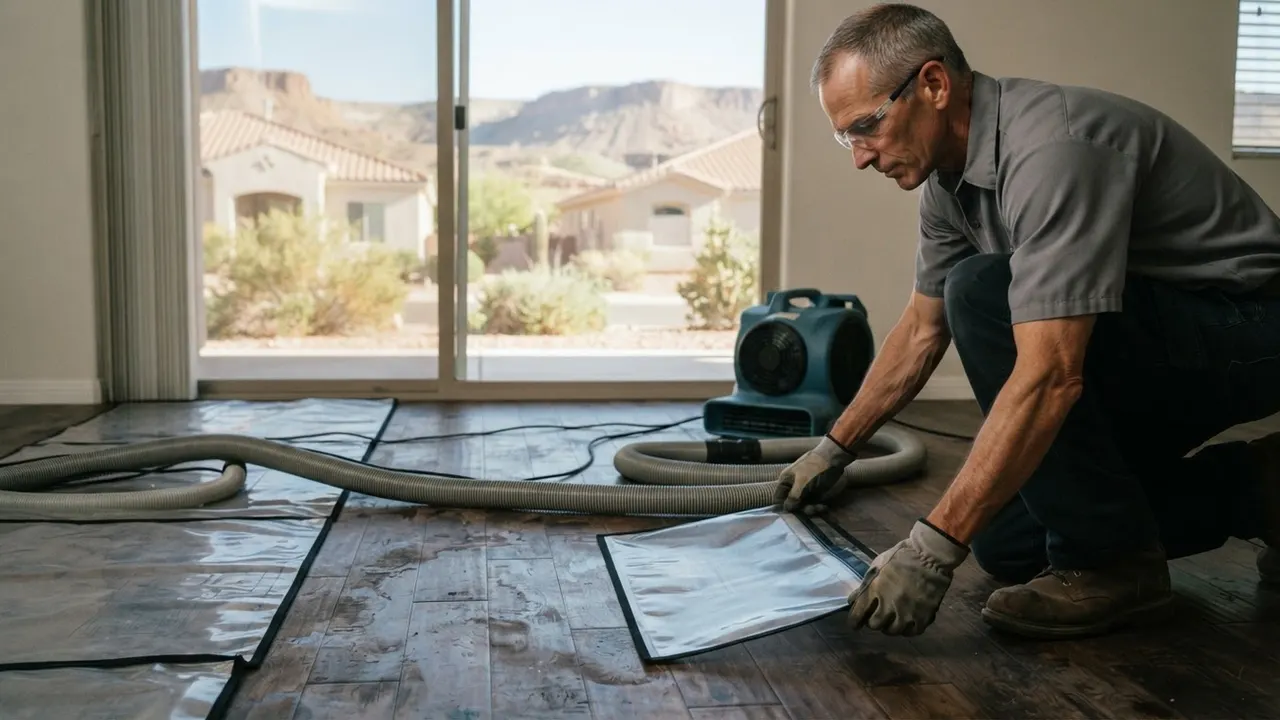
Emergency Water Damage Repair in Creek Crossing

When a pipe breaks or stormwater reaches your floor, emergency water damage repair in Creek Crossing helps stop the spread and get your home drying promptly. Mesquite Water Damage Company serves Creek Crossing North, Creek Crossing South, Creek Crossing Estates, and Creek Crossing Village in Nevada. We locate the water source, remove standing water, and check affected rooms so you know what needs attention next.

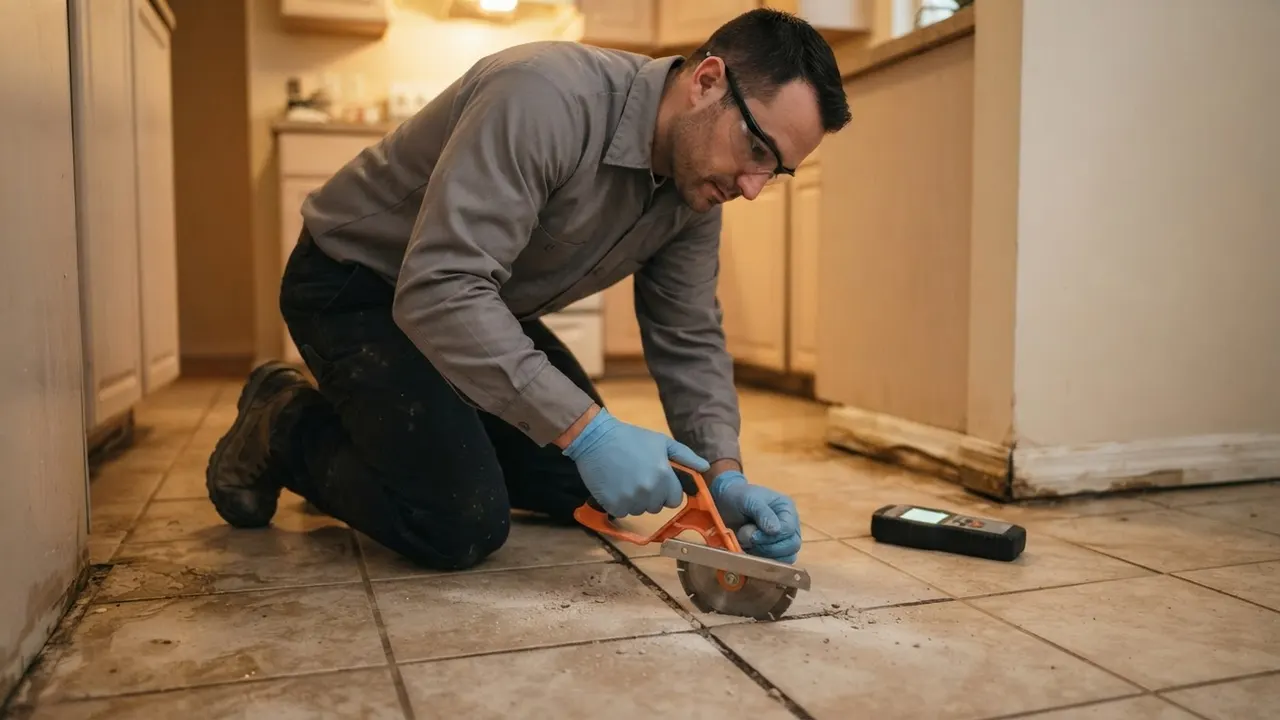
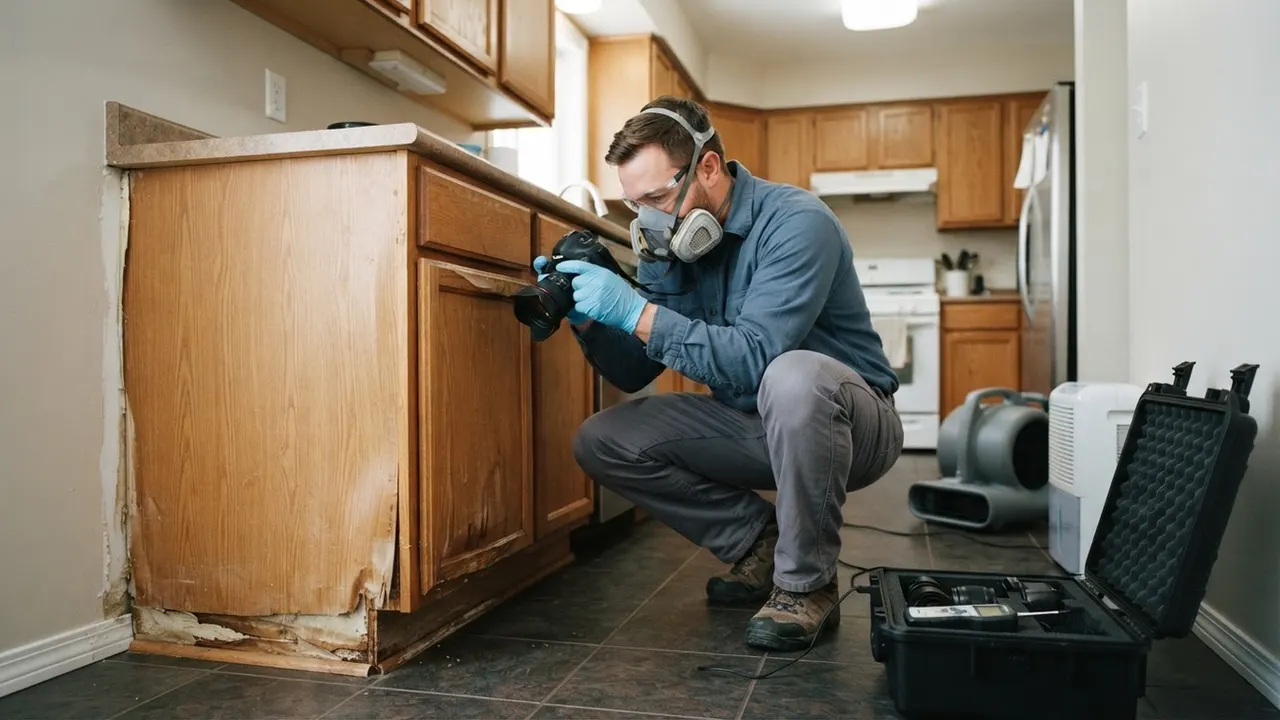
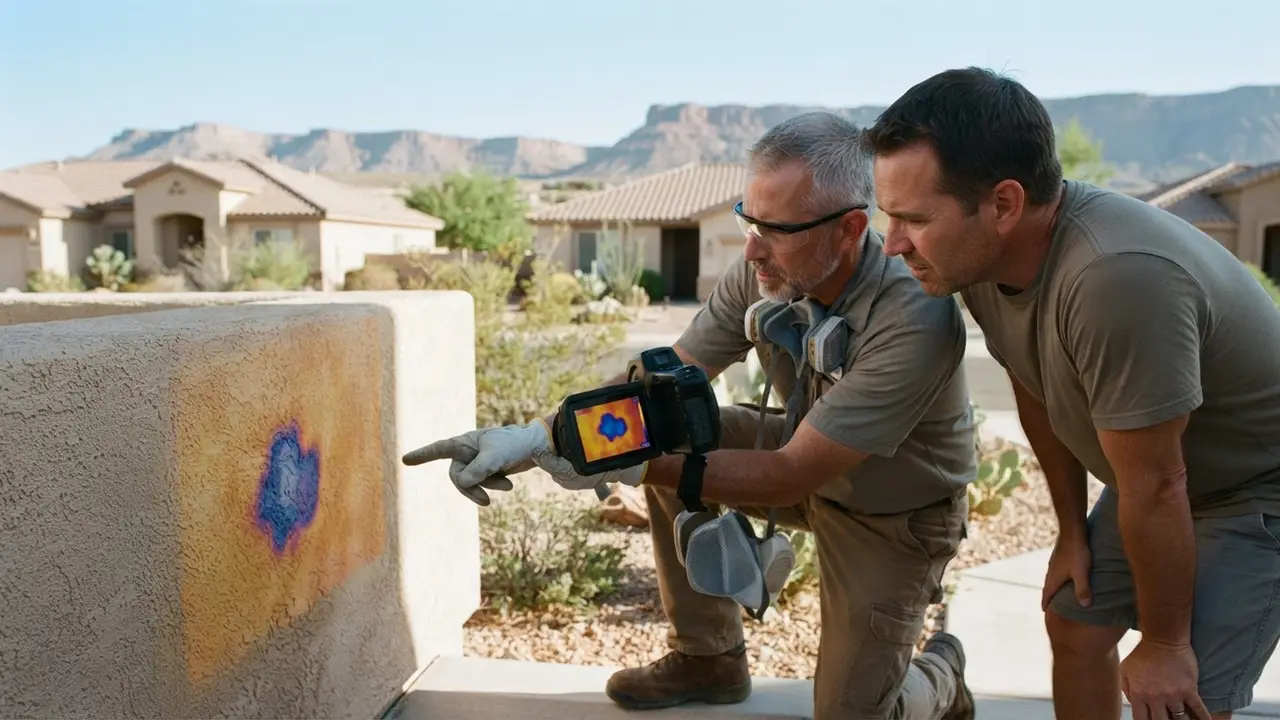
Emergency water damage repair in Mesquite: water damage restoration technician demonstrating the real-time thermal image of

Serving Creek Crossing and nearby

  • Readings recordedMoisture checks tracked during drying
  • Contents identifiedPriority belongings noted before moving
  • Water source discussedLeak details guide the first inspection
  • Work areas explainedYou see which rooms need attention

Creek Crossing Emergency Water Damage Repair

Emergency water damage repair in Creek Crossing is a property recovery service that removes unwanted water, identifies wet building materials, and starts controlled drying after a leak, flood, or plumbing failure. Mesquite Water Damage Company responds across Creek Crossing North and Creek Crossing Estates, where a concealed appliance leak or burst pipe can spread beneath flooring before a surface puddle looks serious. We begin by finding the source and documenting affected rooms, then use a moisture meter to map damp areas and a water extraction unit to remove standing water. Our Creek Crossing emergency water damage repair process accounts for homes near a creek, areas with a high water table, and stormwater management systems without assuming every property has the same exposure. If you need emergency water damage repair near Creek Crossing, call us with the property location, water source, and whether the water is still flowing. That helps us prepare for the right first steps.

Creek Crossing is part of the Mesquite service area in Clark County, and its mix of newer homes and varied drainage conditions calls for a practical, property-by-property response. We serve ZIP code 89027 and nearby local streets, including homes around Creek Crossing Village and Creek Crossing South. Summer storms can send runoff toward low points, while winter nights can bring a different concern: exposed or poorly protected plumbing freezing during a hard cold snap. We ask where water appeared, how long it has been present, and whether a shutoff is accessible. Those details help us prioritize extraction, protect dry rooms, and focus the first inspection on the likely path of water.
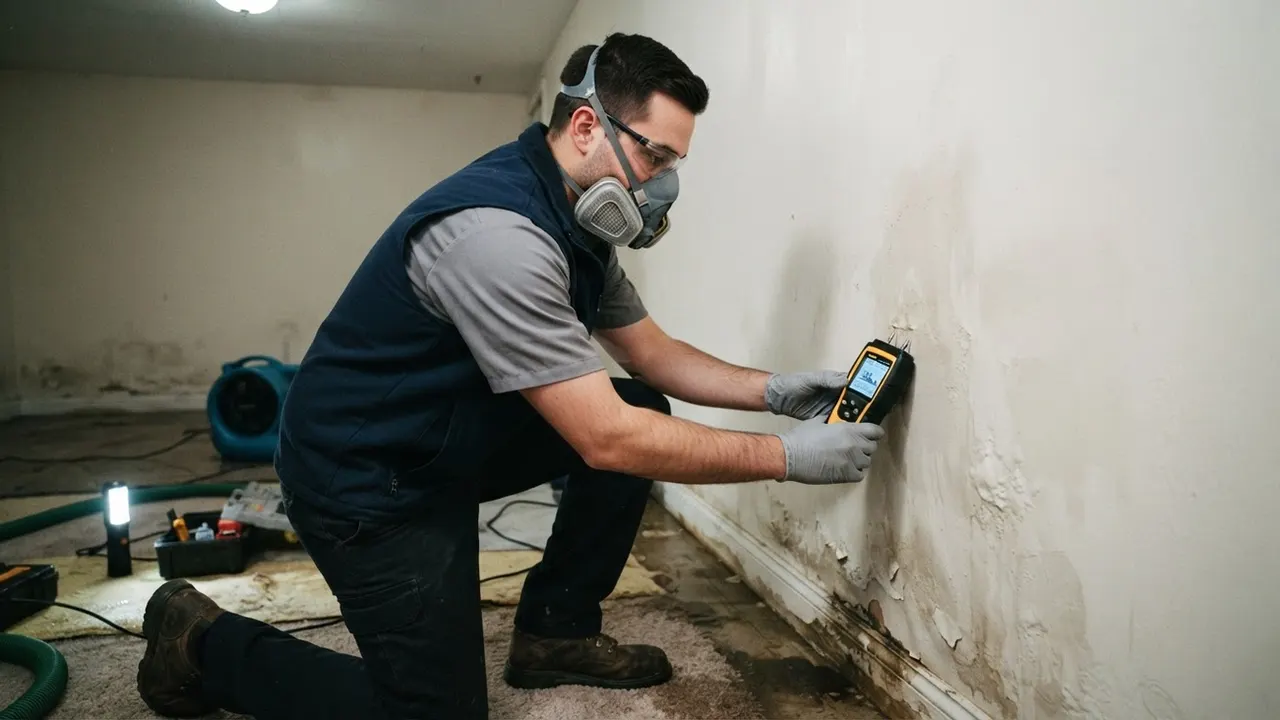
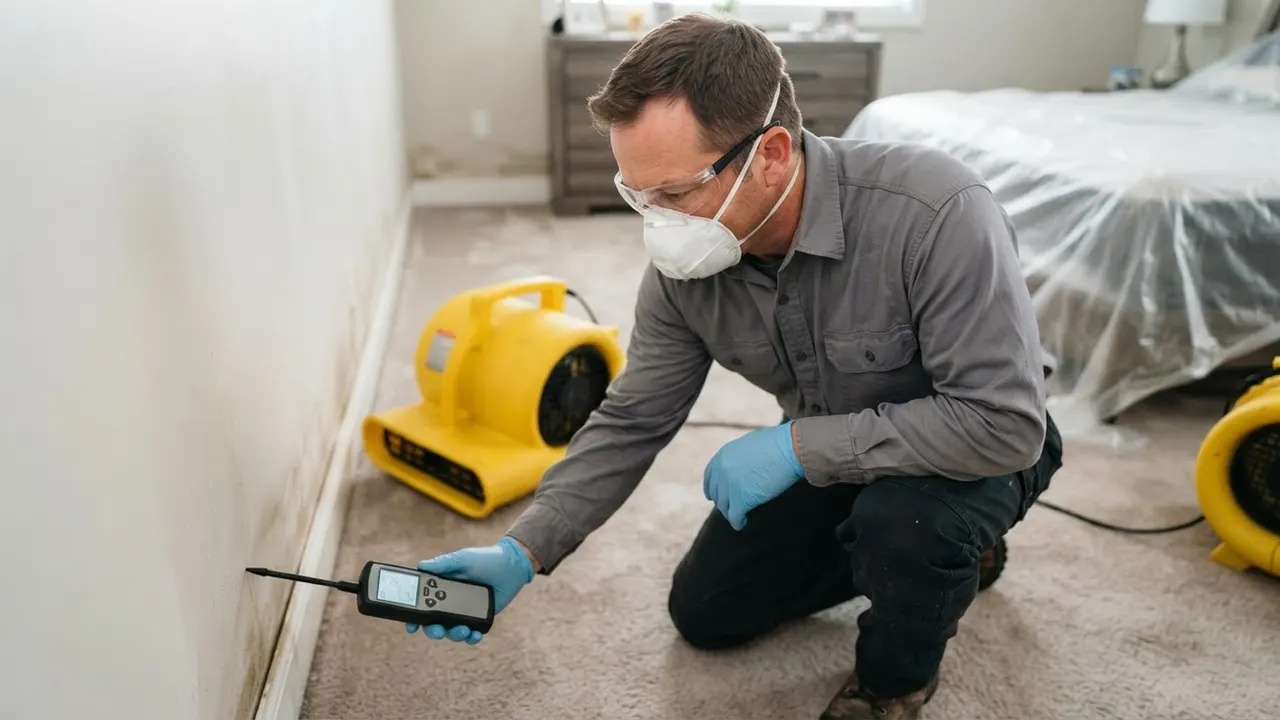
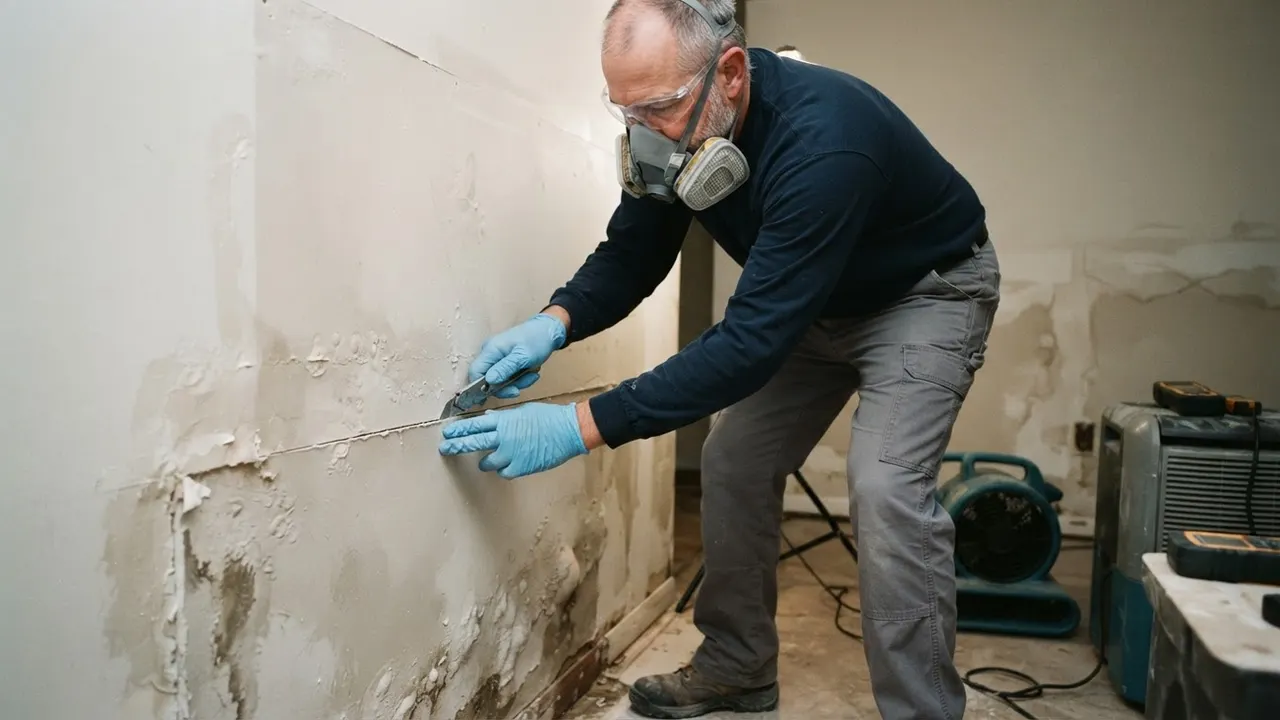
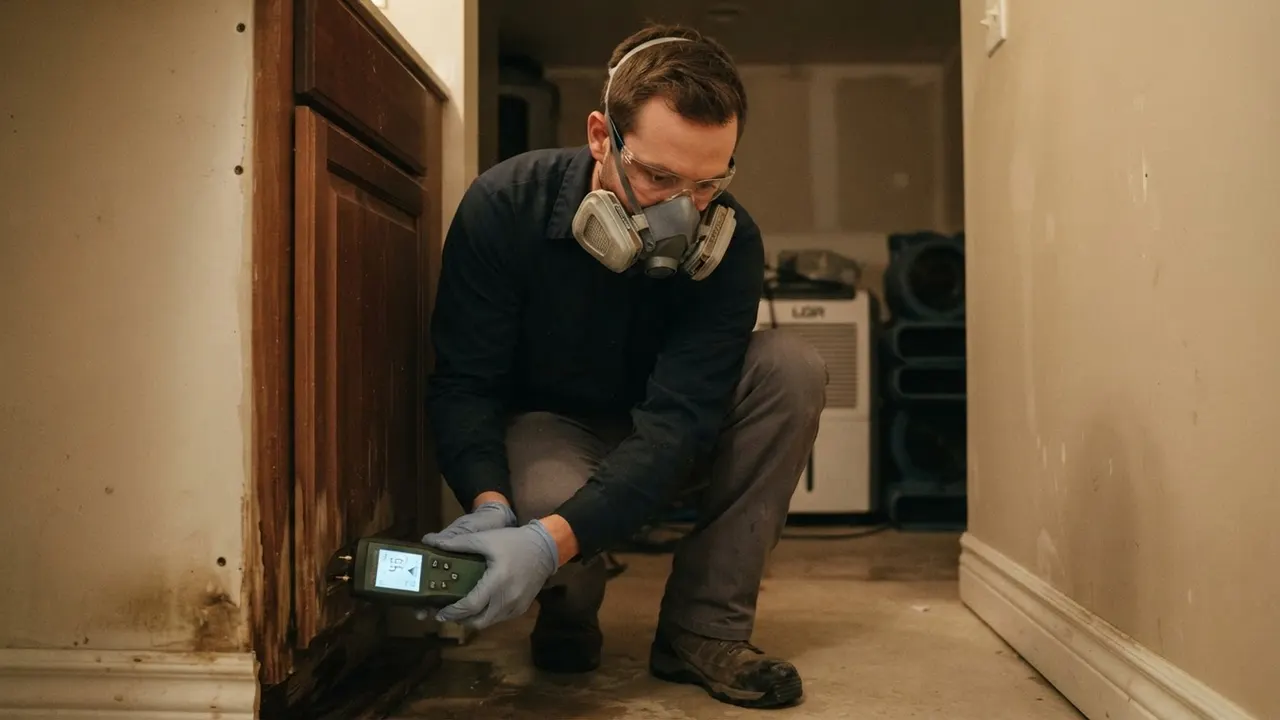
Emergency Water Damage Repair in Mesquite: water damage restoration technician using a moisture meter to check the moisture

Water Damage Services for Creek Crossing

Creek Crossing properties need different responses for a clean supply-line leak, stormwater entering at a threshold, or contaminated backup water. Our team handles emergency calls in ZIP code 89027, from initial extraction through structural drying and repair coordination. If you are searching for same day water damage restoration in Creek Crossing, tell us whether the source is stopped and which rooms are wet; we will direct the first visit toward the immediate hazard and the materials most at risk. We work on residential and commercial losses, with the service plan based on the water source, affected area, and measured moisture.
How Water Repair Works Locally

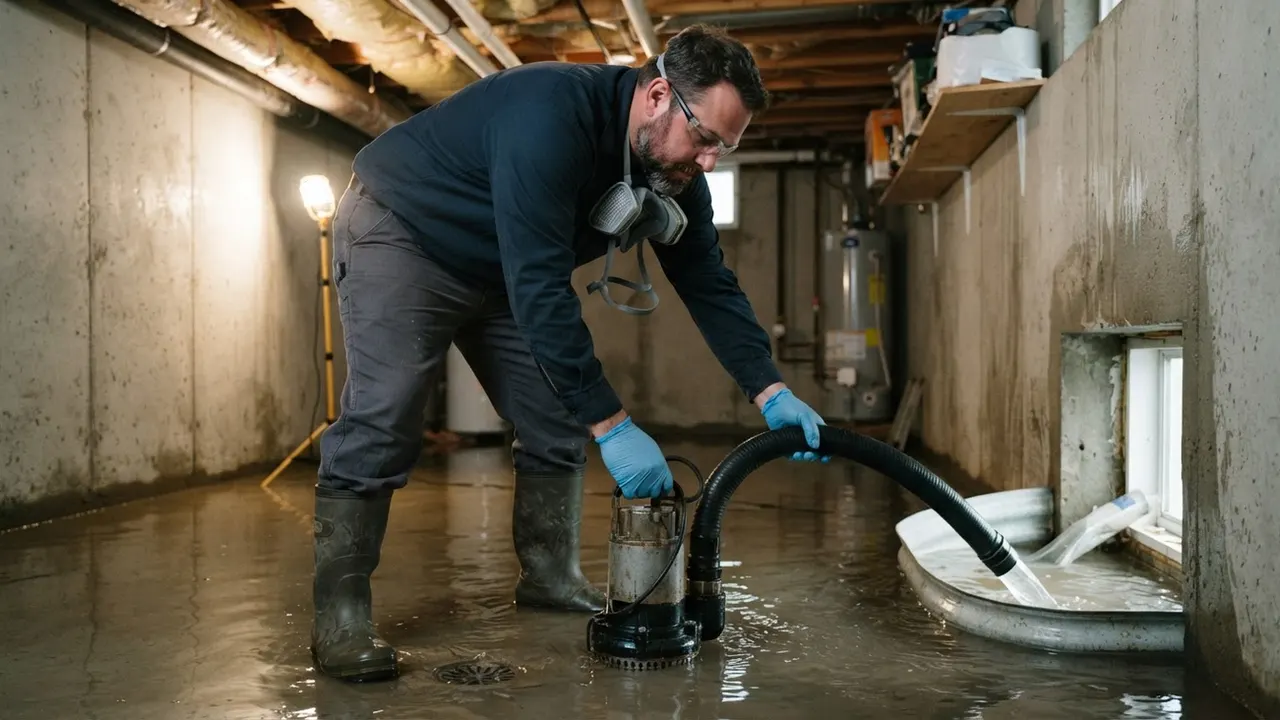
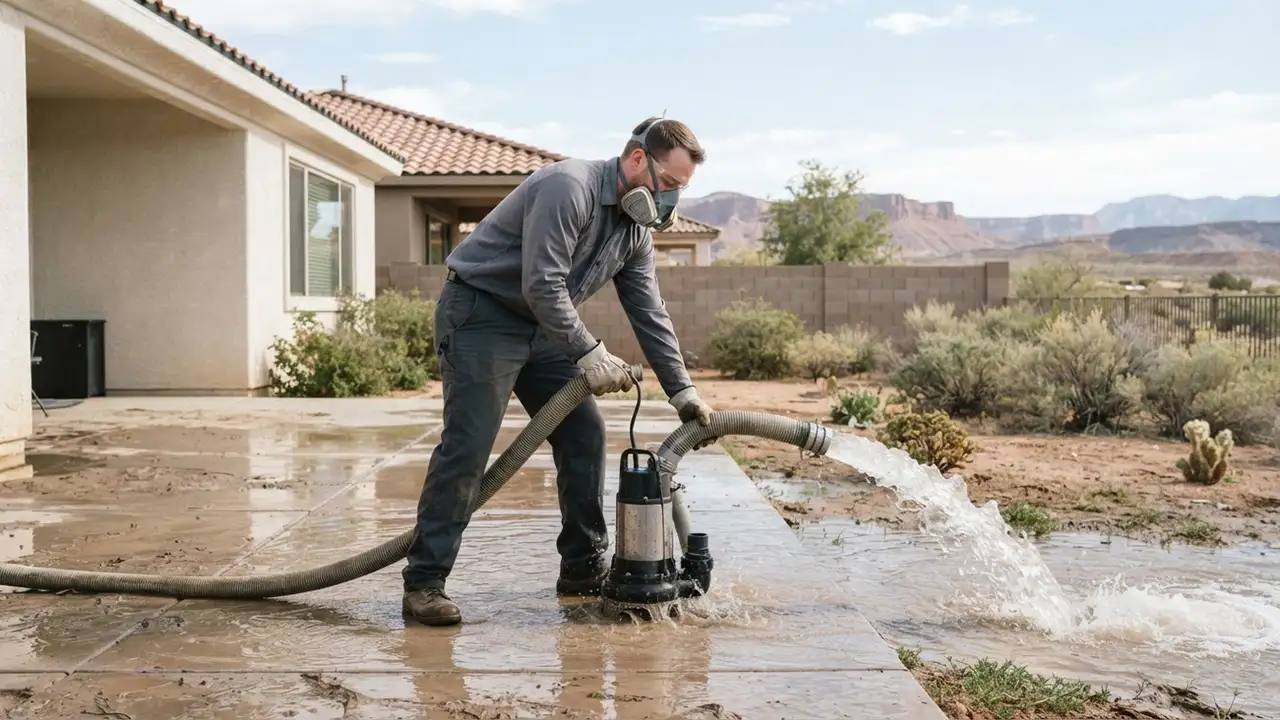
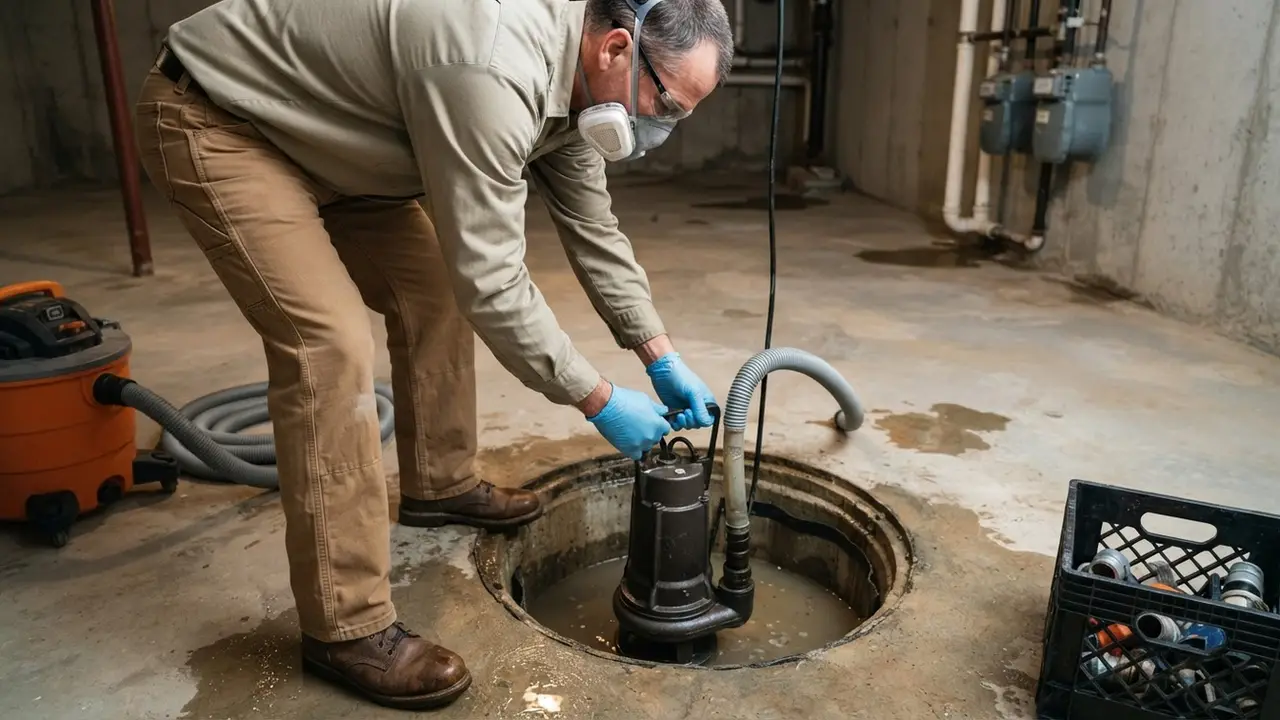
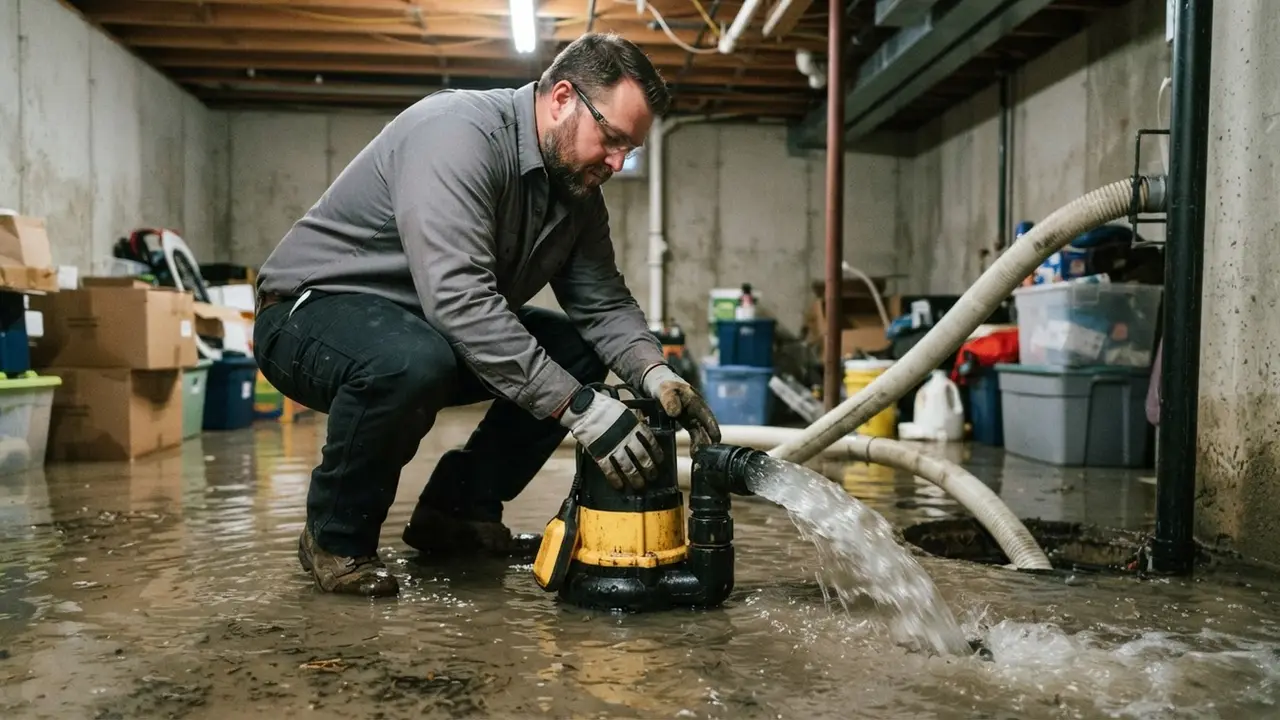
24/7 Water Extraction in Mesquite: water damage restoration technician operating a submersible pump to remove several inches

Emergency Repair in Creek Crossing

We locate the water source and map wet areas before moving equipment. In Creek Crossing, stormwater entry and plumbing leaks need different first steps. We explain the affected materials and organize extraction around your household's access.

  • Find the active source
  • Map affected materials
  • Plan room-by-room work
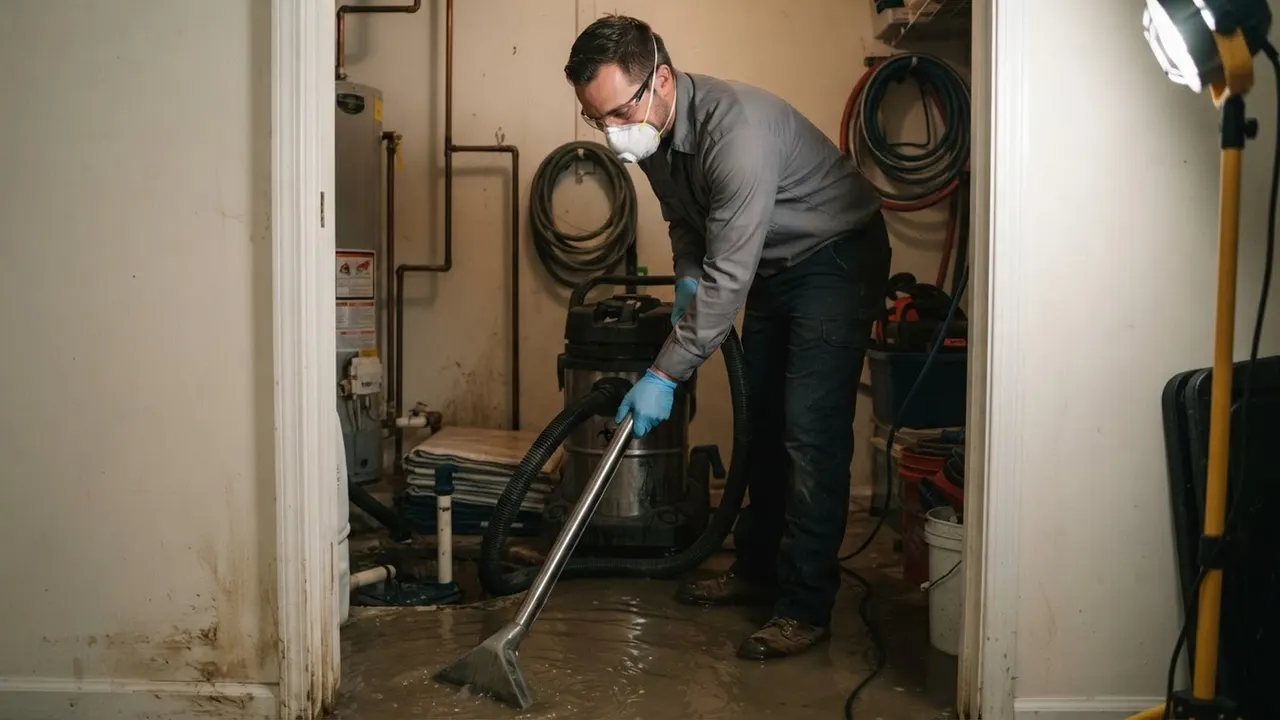
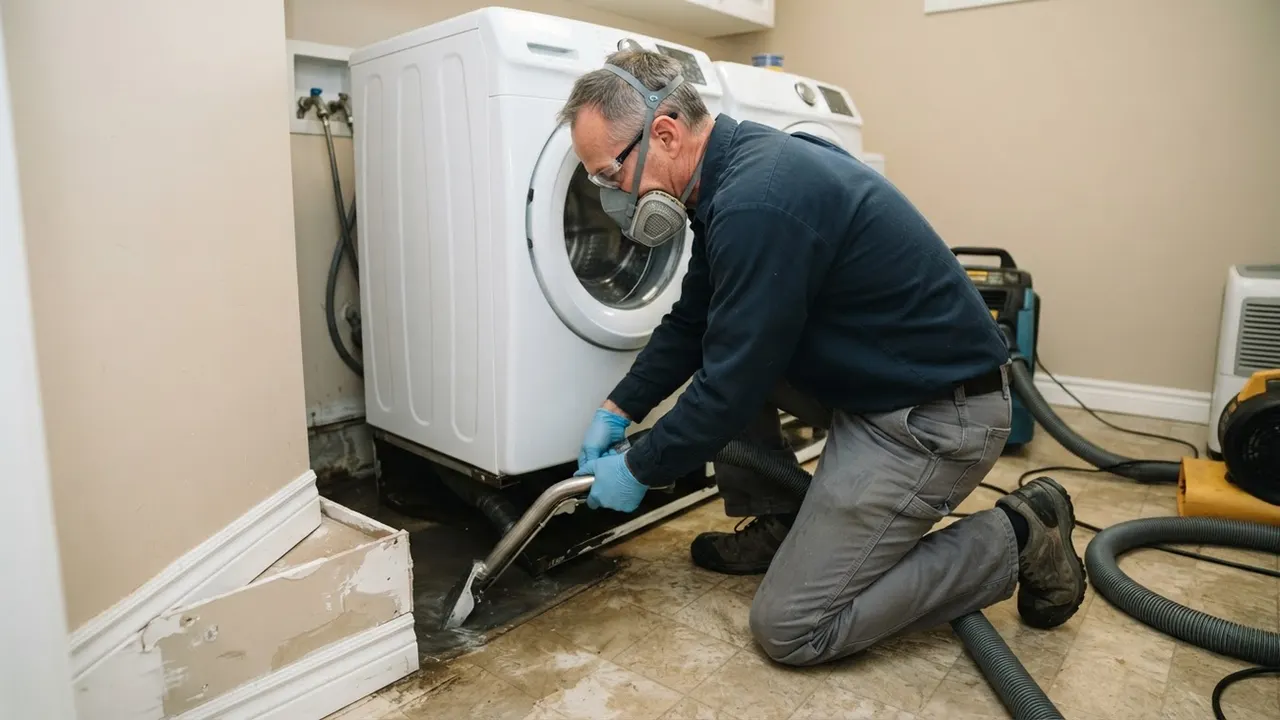
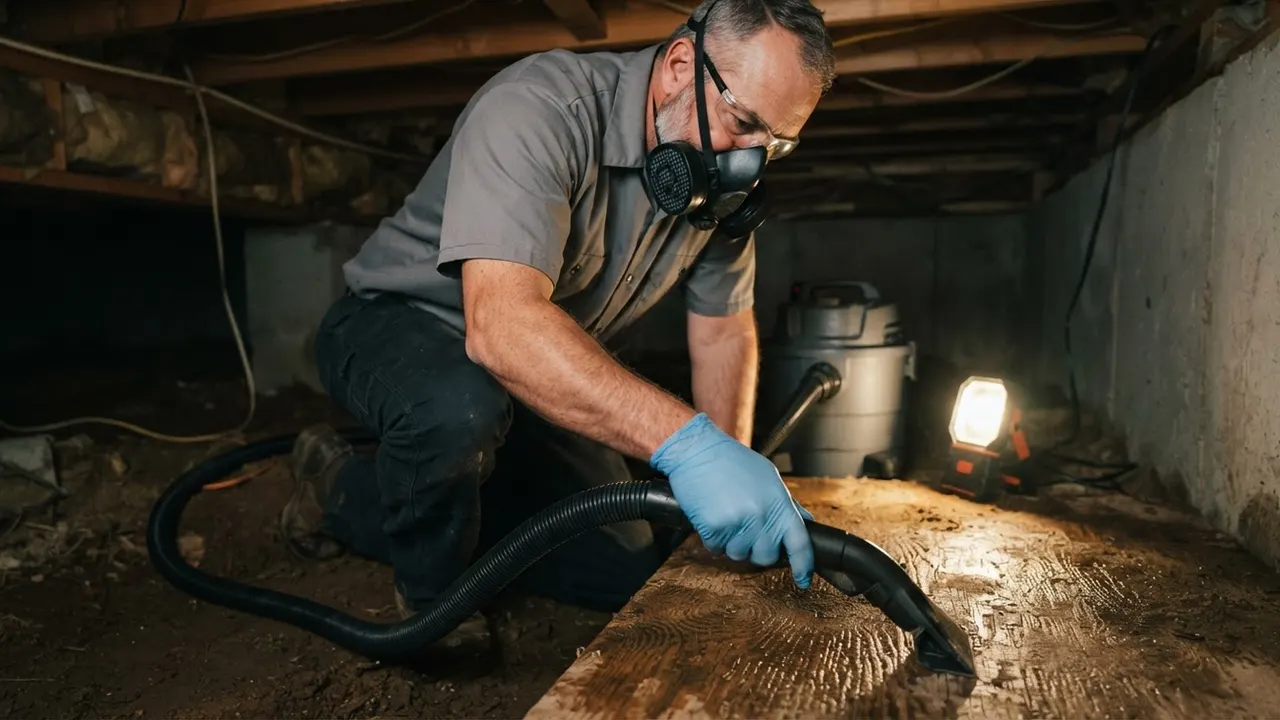
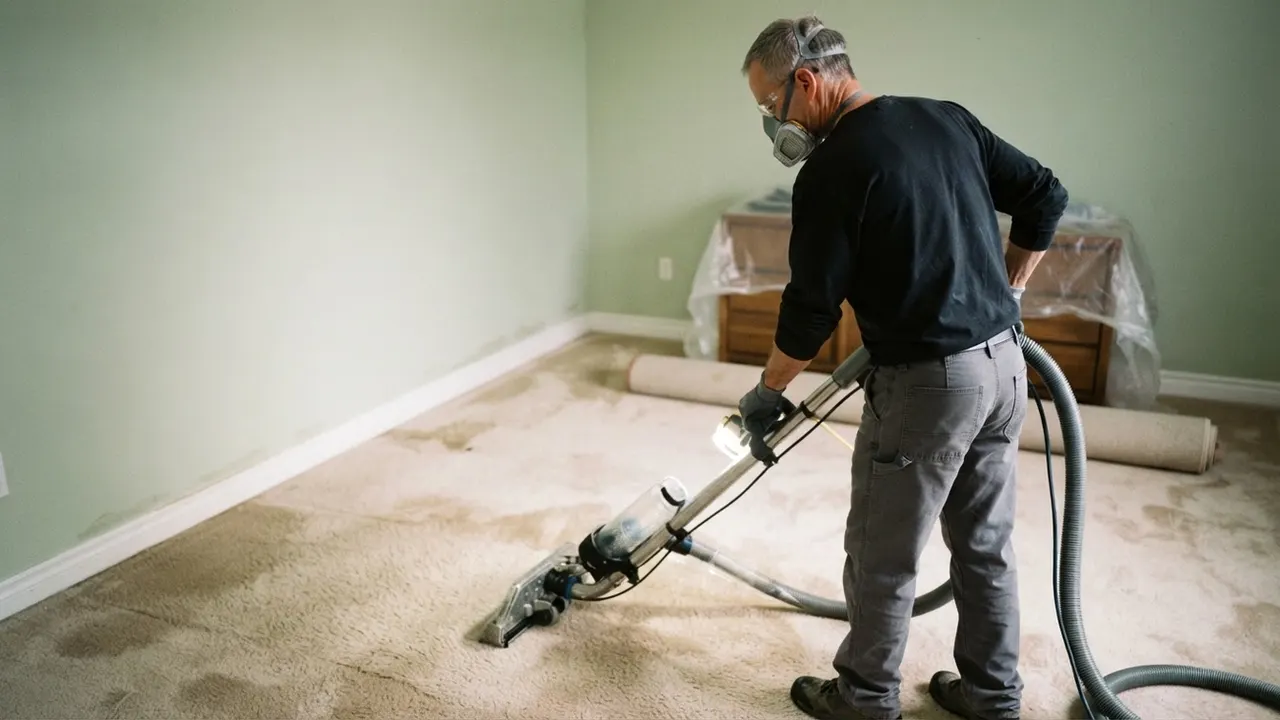
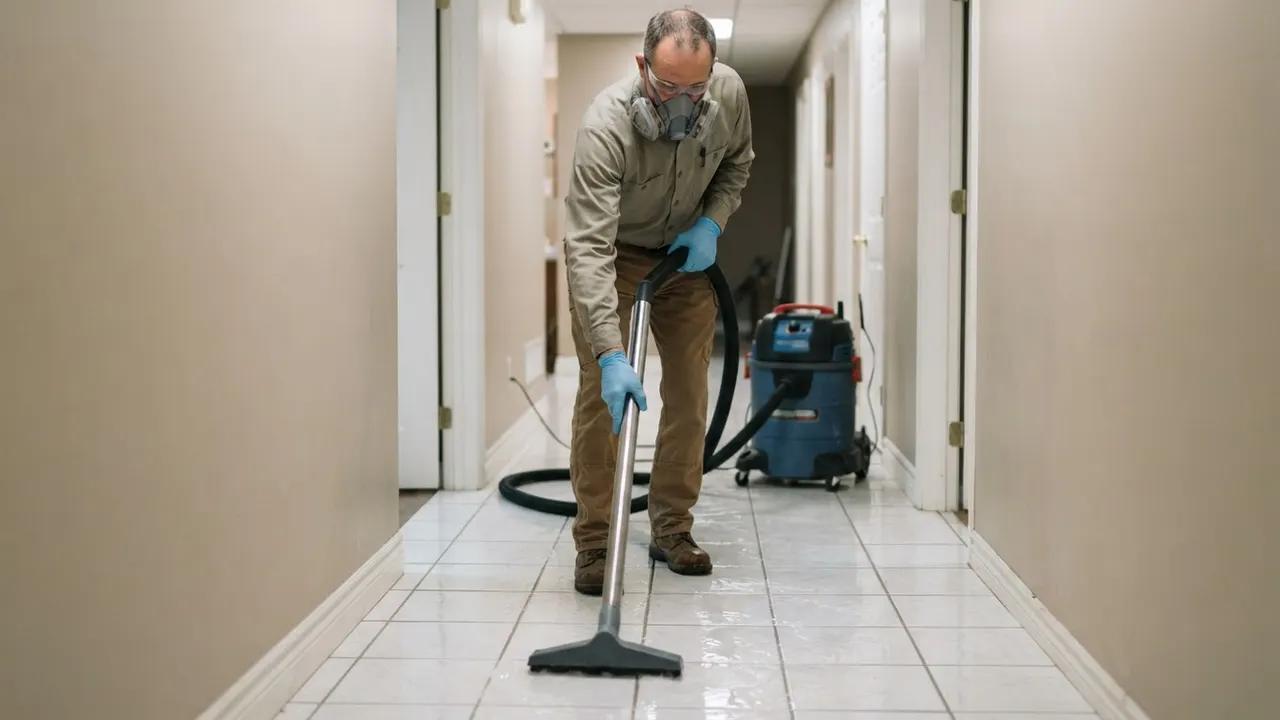
Water Removal & Extraction in Mesquite: water damage restoration technician using a shop vacuum with a wide nozzle to remove

Creek Crossing Home Care

We help homeowners address leaks, stormwater, and wet building materials with a room-by-room assessment. You get a clear account of the source, affected surfaces, and next drying steps.

  • Newer homes with plumbing
  • Carpeted living rooms
  • Kitchen appliance leaks
  • Ceiling and wall stains
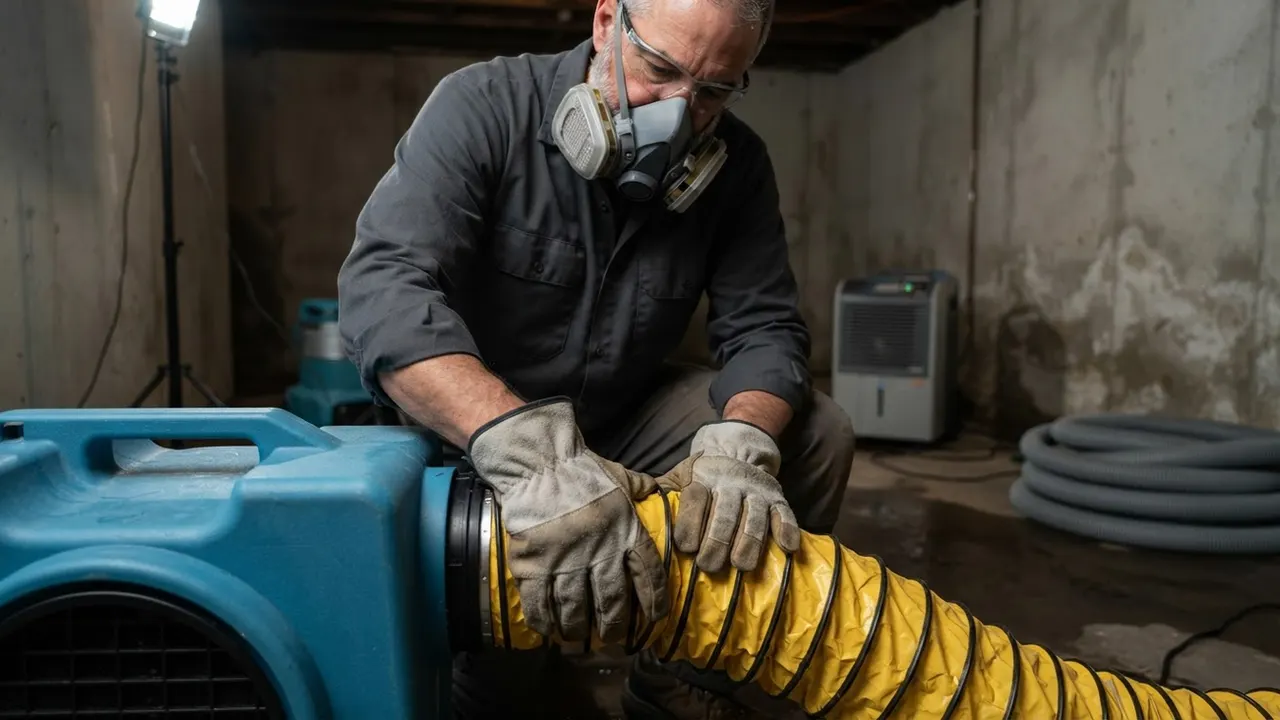
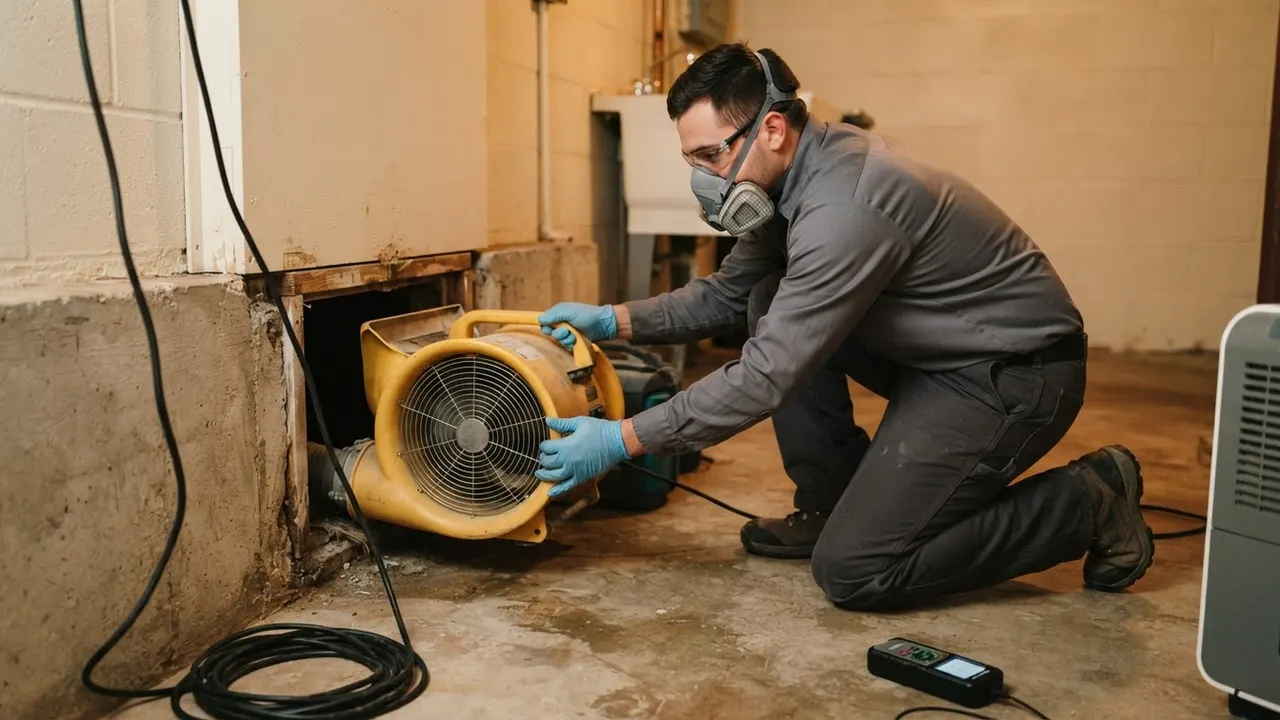
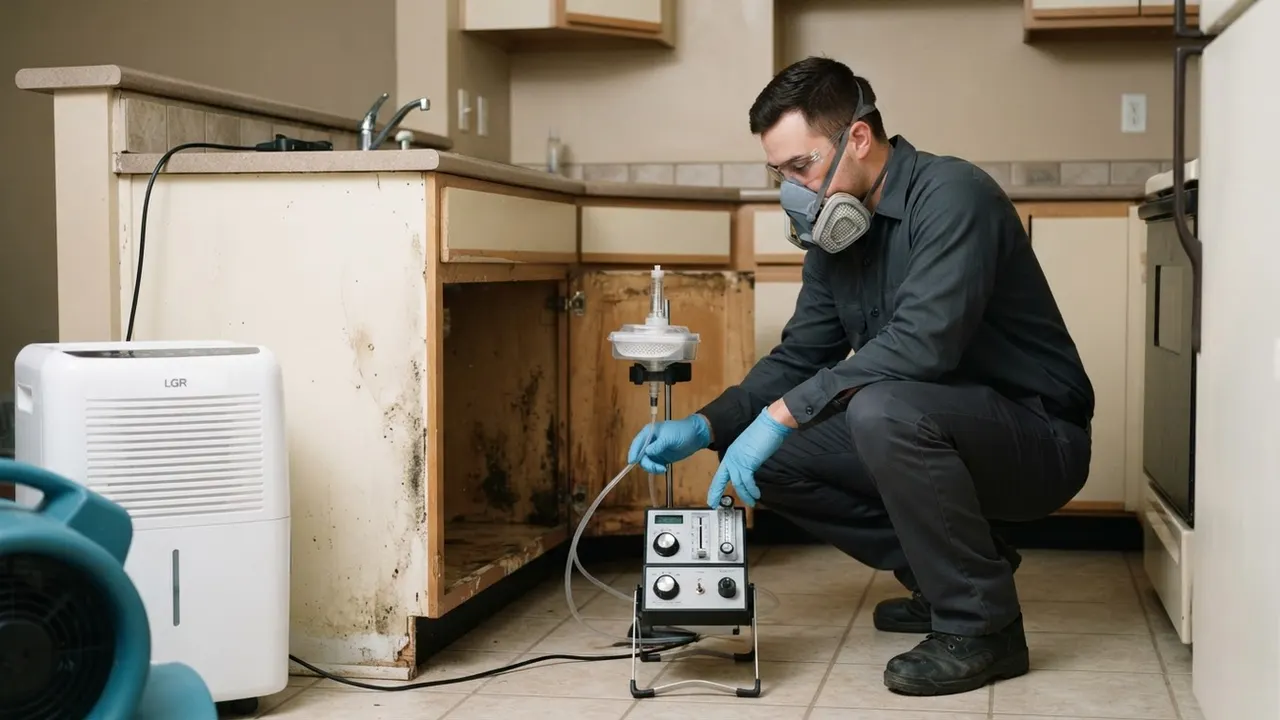
Structural Drying & Dehumidification in Mesquite: water damage restoration technician checking the humidity levels in a

Creek Crossing Business Care

We assess water losses in local business properties and plan work around entrances, customers, and affected rooms. Share your unit and access details so we can reach the correct work area.

  • Retail storefronts
  • Office interiors
  • Service businesses
  • Shared commercial spaces

Common Creek Crossing Water Emergencies

Creek Crossing combines newer homes with modern plumbing, stormwater management systems, and property conditions that vary near the creek and in areas with a high water table. Mesquite's hot, dry weather can make a wet surface appear to clear quickly while moisture remains below flooring or inside a wall. Sudden storms and cold winter nights create different kinds of water-loss calls. Creek Crossing emergency water damage repair starts by identifying the source and water category, then measuring the affected materials. We do not assume a storm caused a leak or that a newer fixture cannot fail; we inspect the property in front of us.

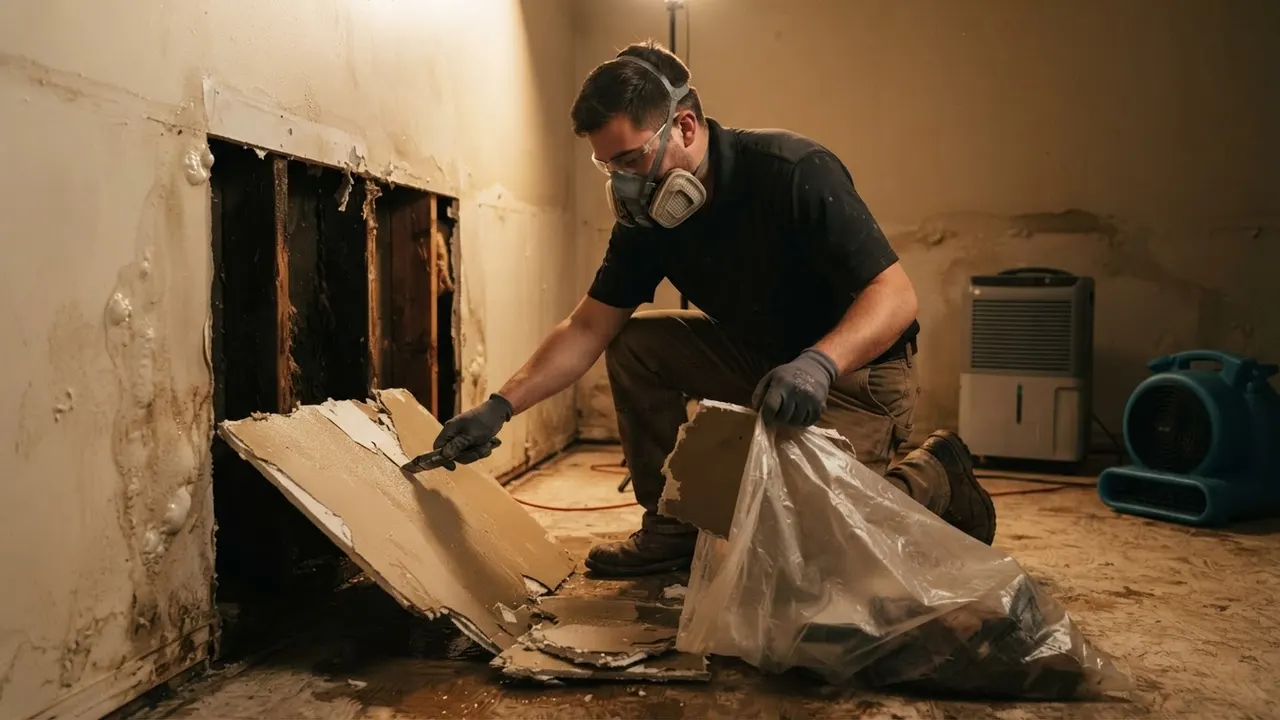
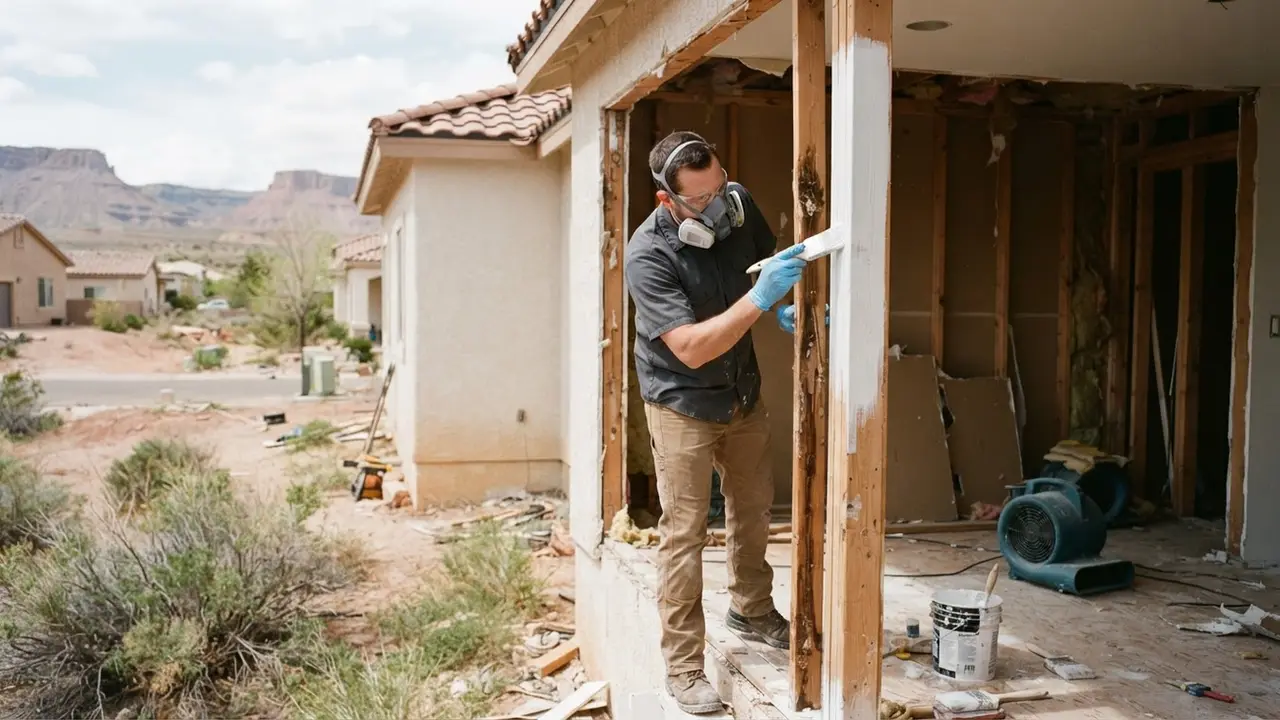
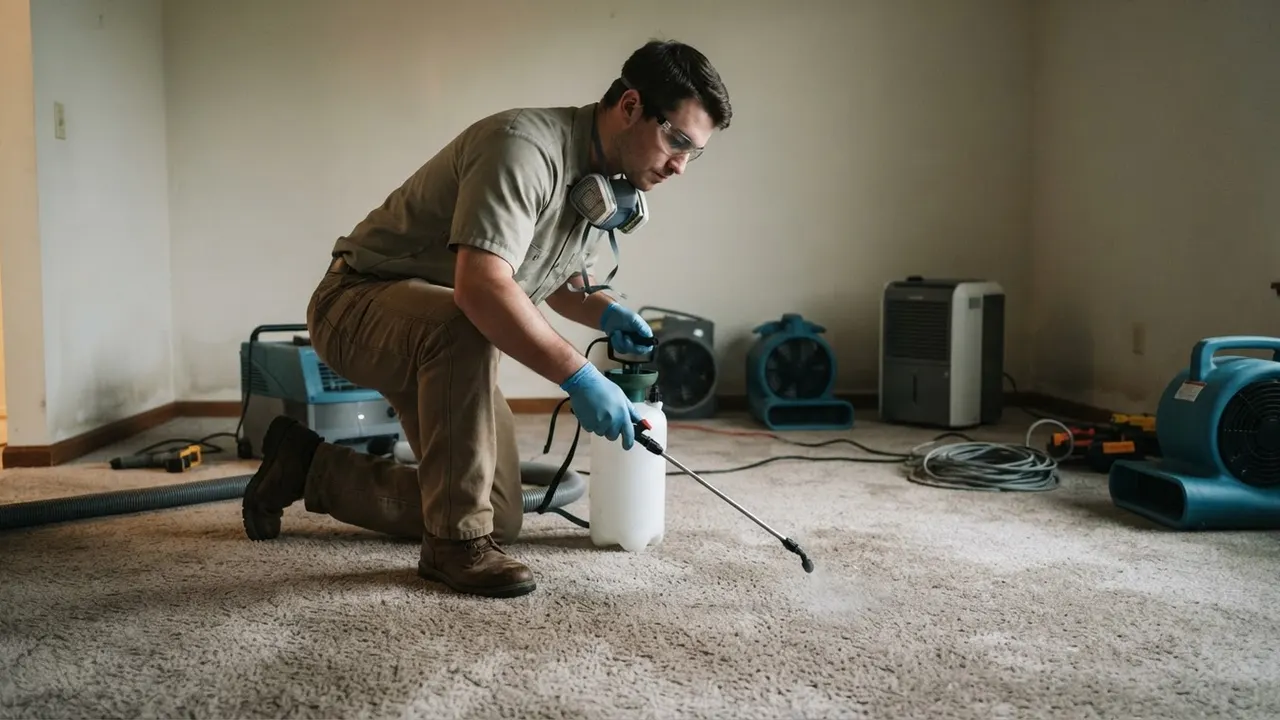
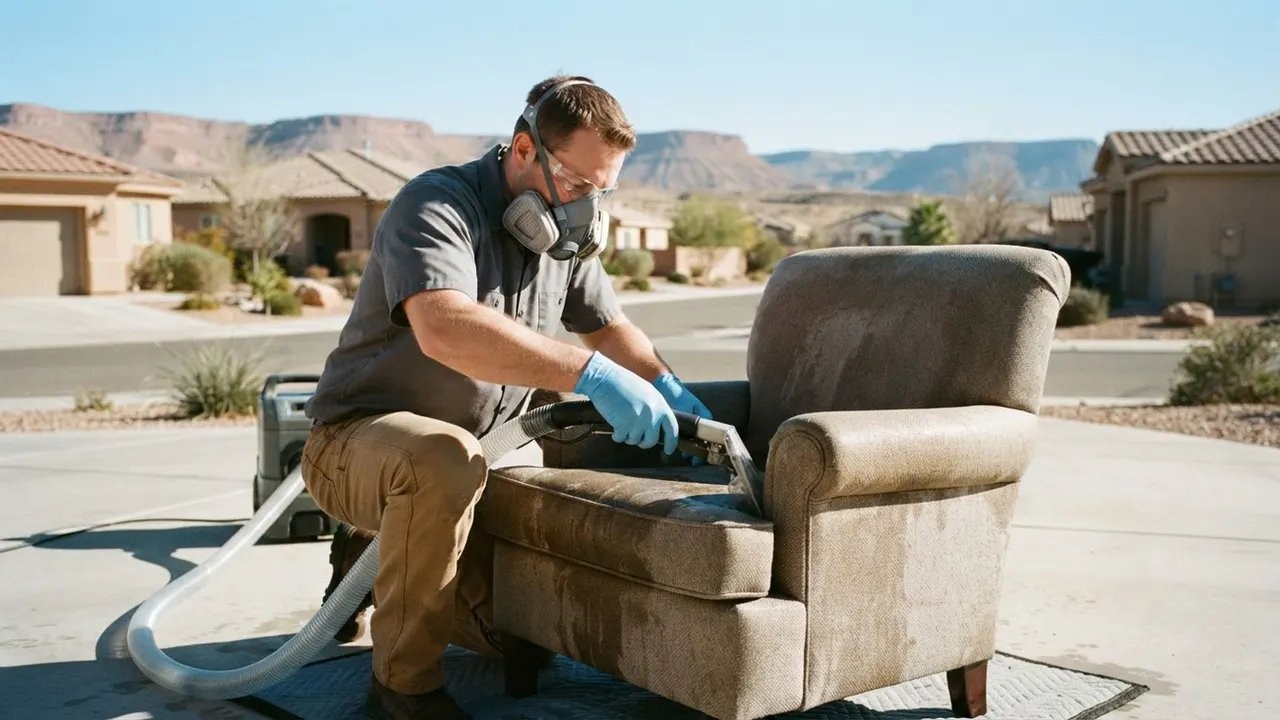
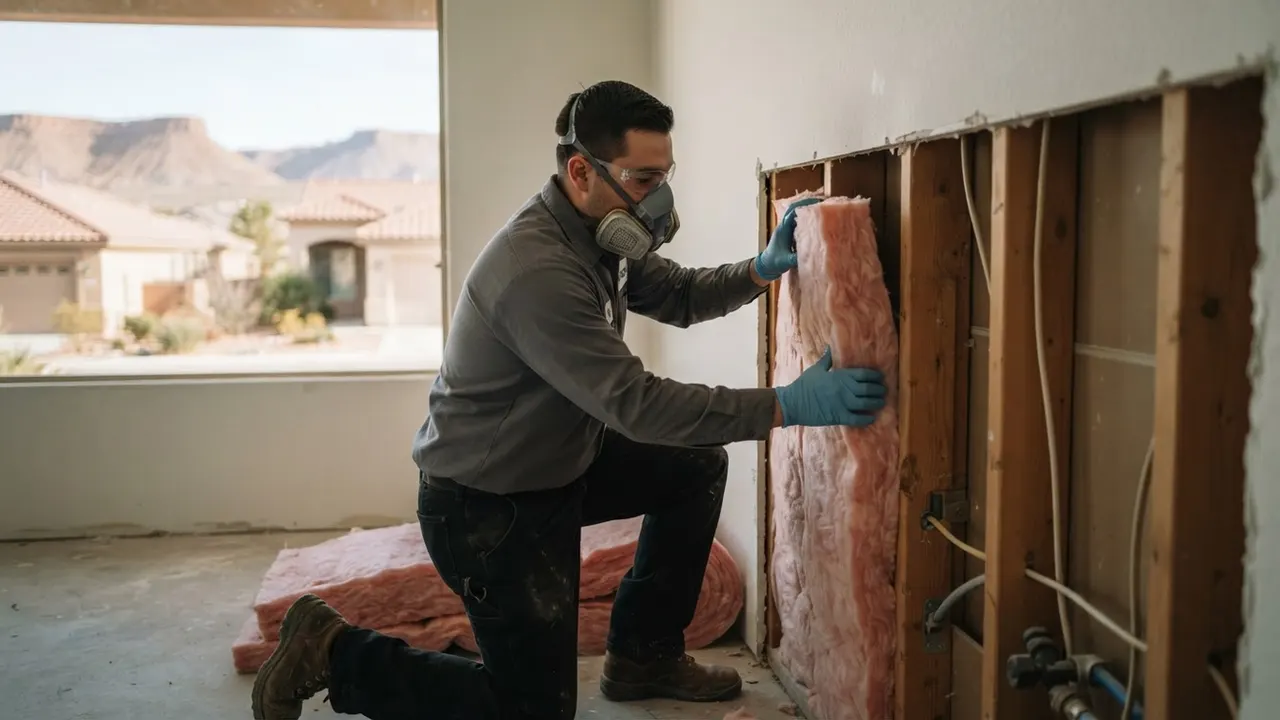
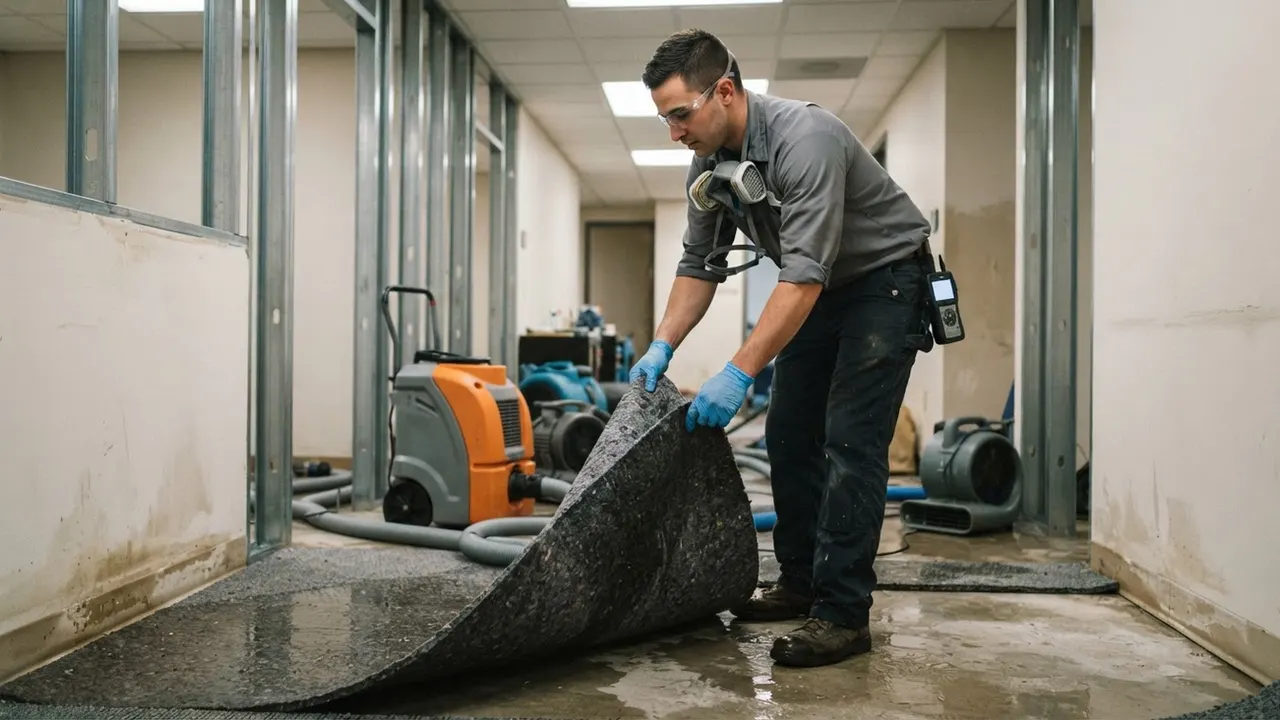
  • Emergency water damage repair in Mesquite: water damage restoration technician in full protective gear removing soaked

    Appliance Supply Leaks Soaking Cabinets and Adjoining Floors

    Refrigerator, dishwasher, and washing-machine connections can loosen or fail without a large initial spray. Water may run beneath a cabinet or appliance and remain hidden until flooring changes color or feels soft. Modern plumbing reduces neither the need to check shutoffs nor the risk of a concealed leak. We confirm the supply is off, extract accessible water, and inspect cabinet bases, floor edges, and the adjacent room. Moisture readings show whether water traveled beyond the visible area. We coordinate drying after the leak is stopped and identify materials that need repair.

  • Emergency water damage repair in Mesquite: Close-up of a powerful submersible pump actively removing dirty water from a

    Stormwater Crossing a Low Doorway or Garage Threshold

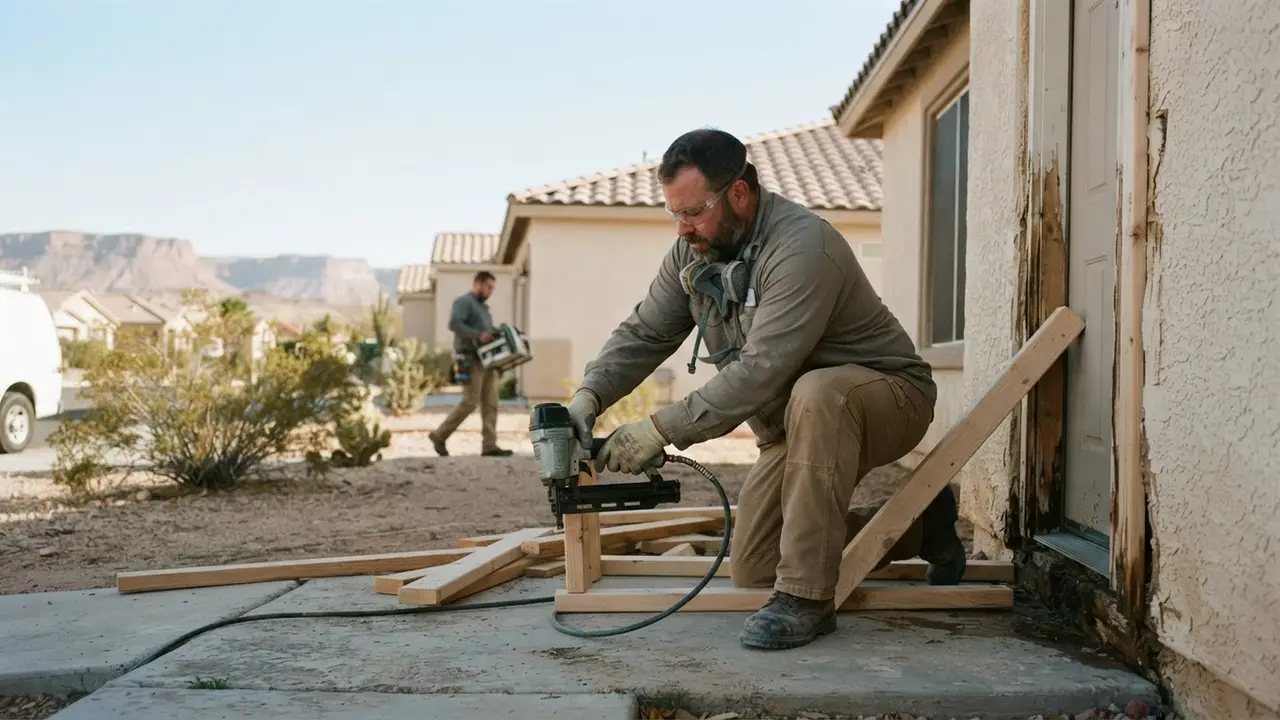
    Heavy rain can overwhelm a local drainage route or direct runoff toward a low opening. Each lot and stormwater system behaves differently, so the cause must be checked at the property. Water can spread quickly across hard flooring before it reaches carpet, stored items, or drywall. We document the entry point, remove standing water, and inspect the floor perimeter and nearby materials. If water continues to enter, we focus first on safe temporary control. Then we dry affected areas and record readings to distinguish wet materials from surfaces that only appear damp.

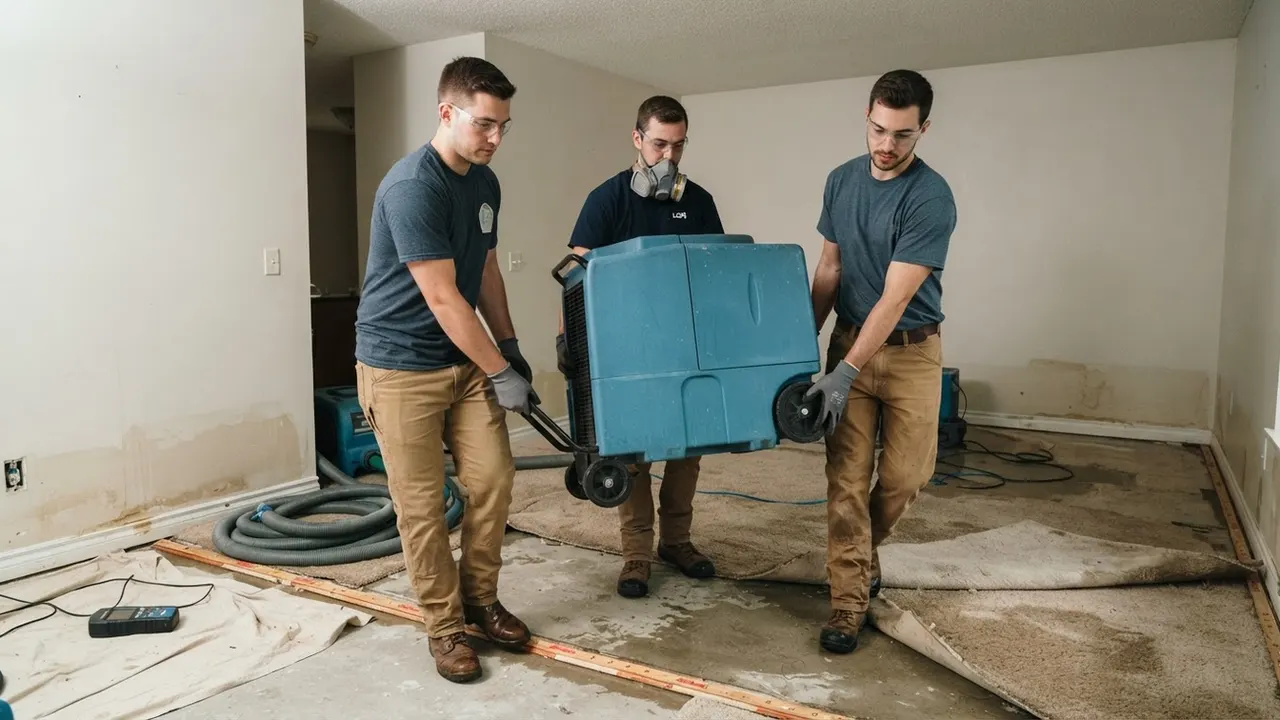
  • Emergency water damage repair in Mesquite: team of water damage restoration technicians collaborating to carry a large

    Cold-Night Pipe Failure in Exposed Plumbing Locations

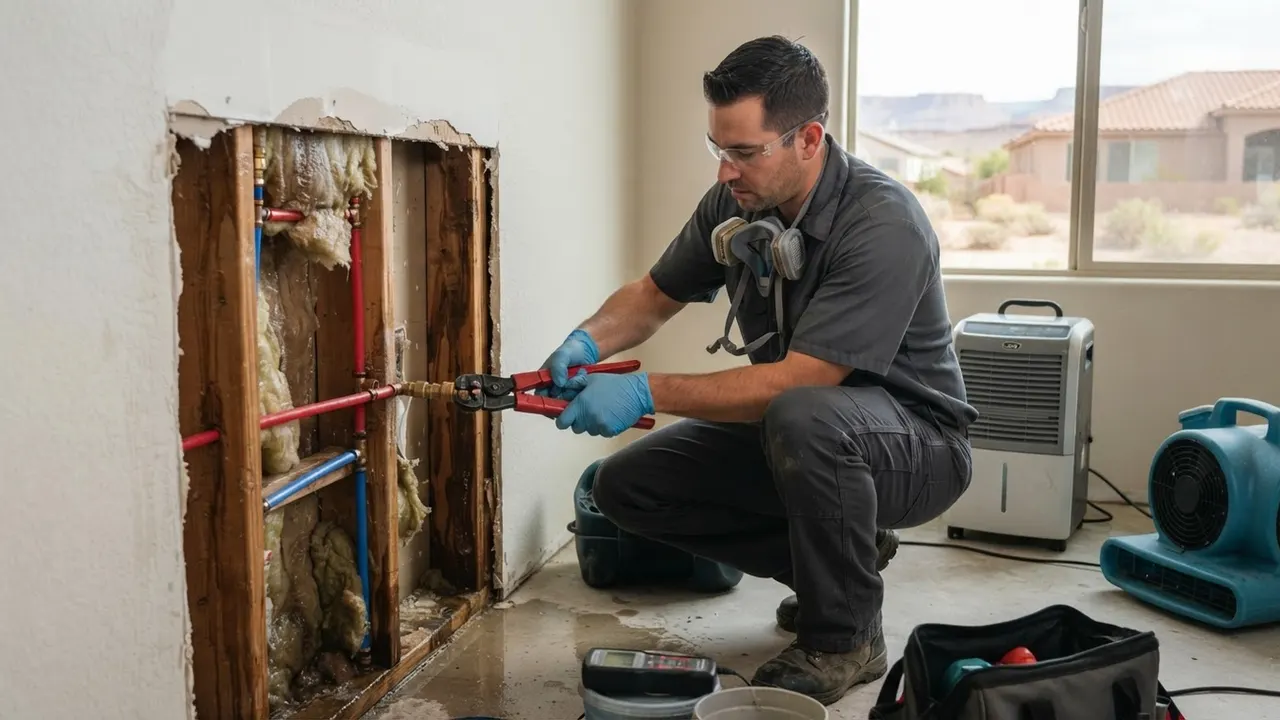
    A sharp winter temperature drop can affect vulnerable pipes in unconditioned areas or near exterior walls. A frozen pipe may leak when it thaws, sending water into a wall or cabinet before the homeowner sees it. The damage may continue after outdoor temperatures rise. We help locate the active leak and prioritize safe shutoff, then extract water and inspect the nearby wall, floor, and insulation. We coordinate drying with plumbing repair so a new leak does not undo the work. Readings track the cavity and adjacent surfaces.

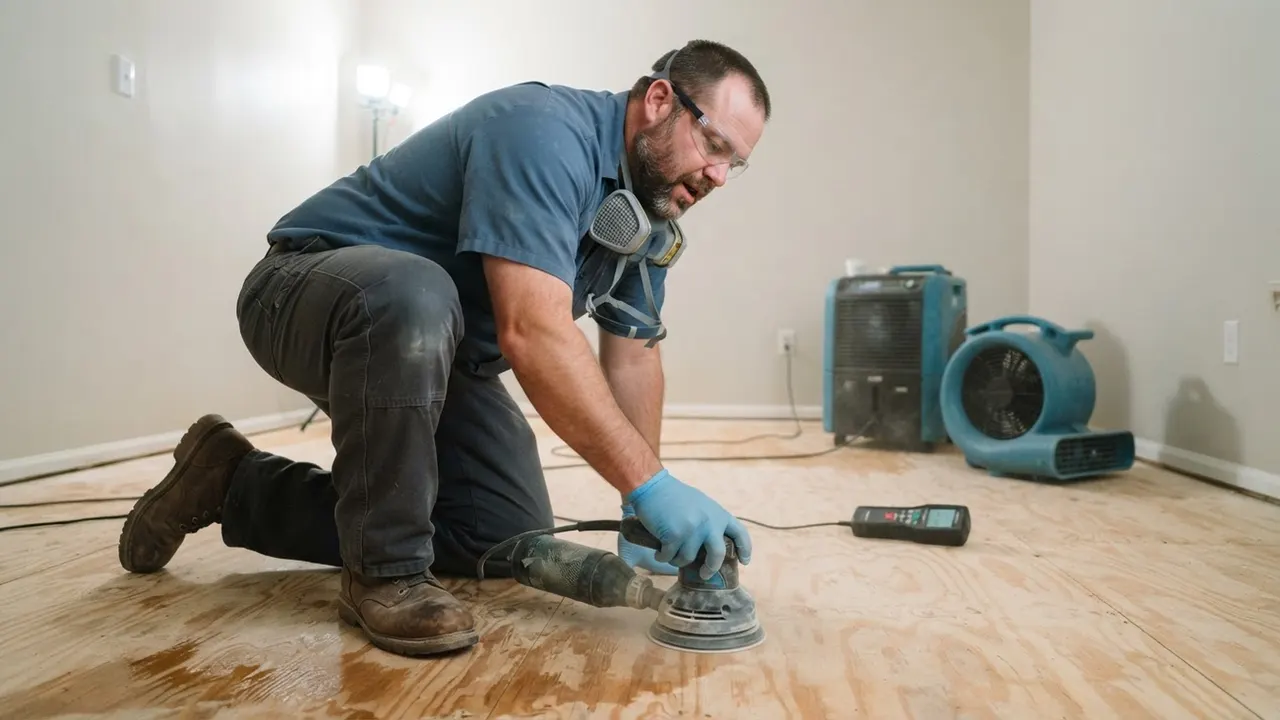
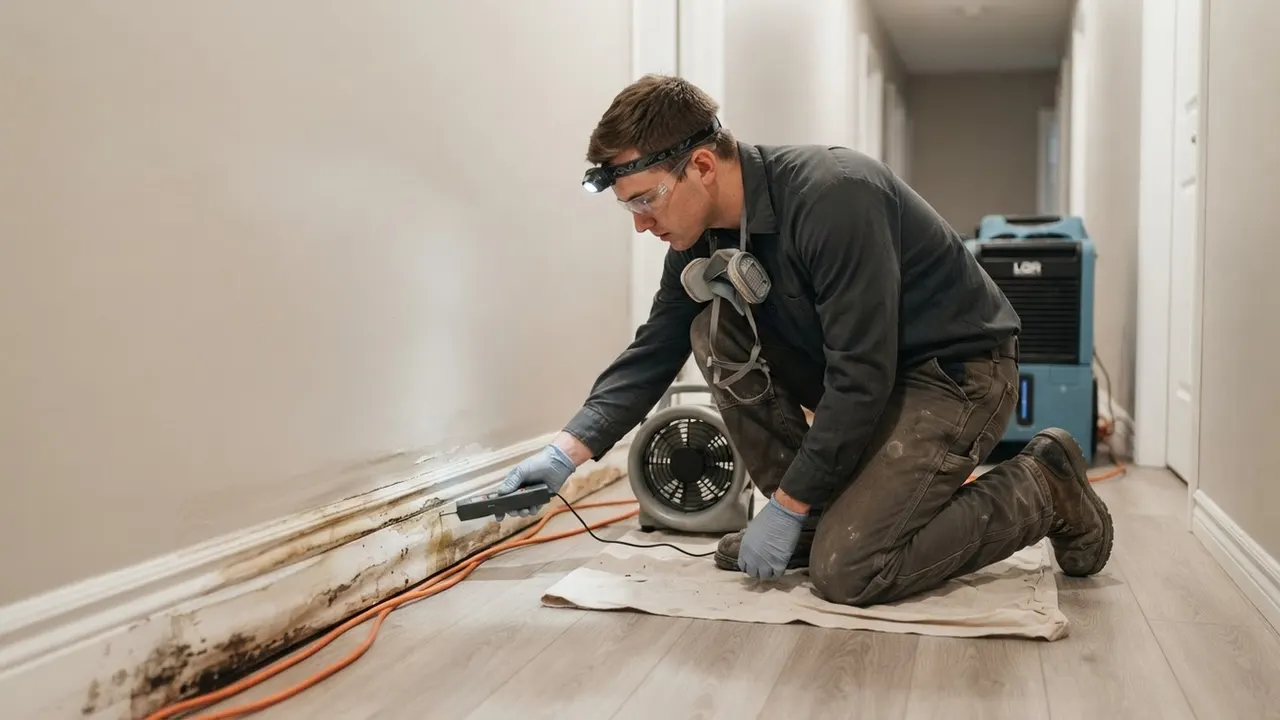
  • Emergency water damage repair in Mesquite: water damage restoration technician meticulously checking moisture levels in a

    Water Entering at a Foundation Joint or Below-Grade Space

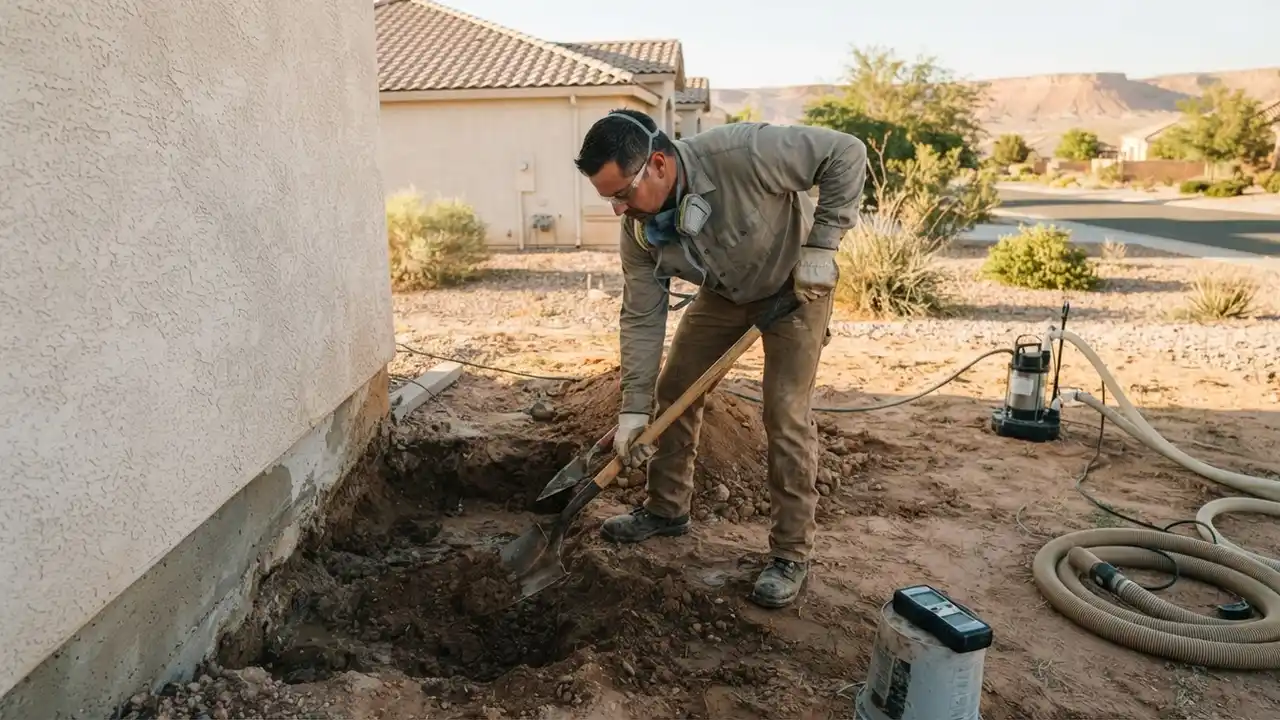
    Groundwater and drainage conditions vary across Creek Crossing, and some areas have a high water table. Water appearing at a floor joint can resemble a plumbing leak, while repeated dampness may signal a different entry route. The source needs evaluation before the interior repair is complete. We remove standing water, inspect accessible surfaces, and document the observed path. We check for nearby plumbing while noting evidence of entry at the foundation. Our team dries the interior and explains when a separate drainage or foundation evaluation is needed.

When to Call for Creek Crossing Water Repair

Notice spreading stains, soft flooring, standing water, or a musty odor? Describe what changed and where water first appeared.

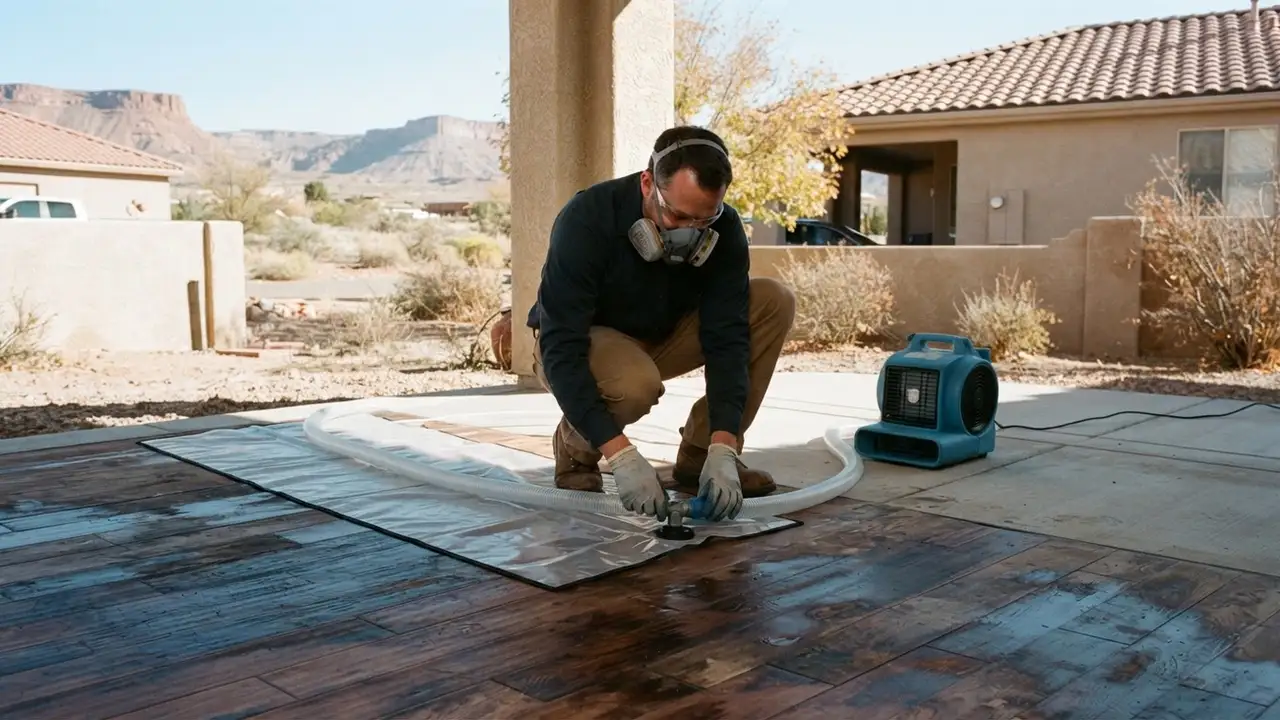
Emergency water damage repair in Mesquite: detailed shot of specialized hardwood floor drying mats creating suction over a
  • Water Continues Flowing After a Fixture Is Shut

    A continuing stream or growing puddle can mean a supply line remains pressurized or a second source is active. Shut off the nearest safe valve if you can do so without entering water, then call. The faster the source is controlled, the less time water has to reach cabinets, flooring, or wall cavities.

  • Carpet Squishes After the Visible Puddle Is Gone

    Water can remain in carpet padding and beneath the carpet after surface water is removed. Persistent squishing or a damp perimeter means the floor assembly needs assessment. Extraction and moisture checks help determine whether the material can be dried or needs to be lifted or replaced.

  • A Ceiling Stain Grows or Begins to Bulge

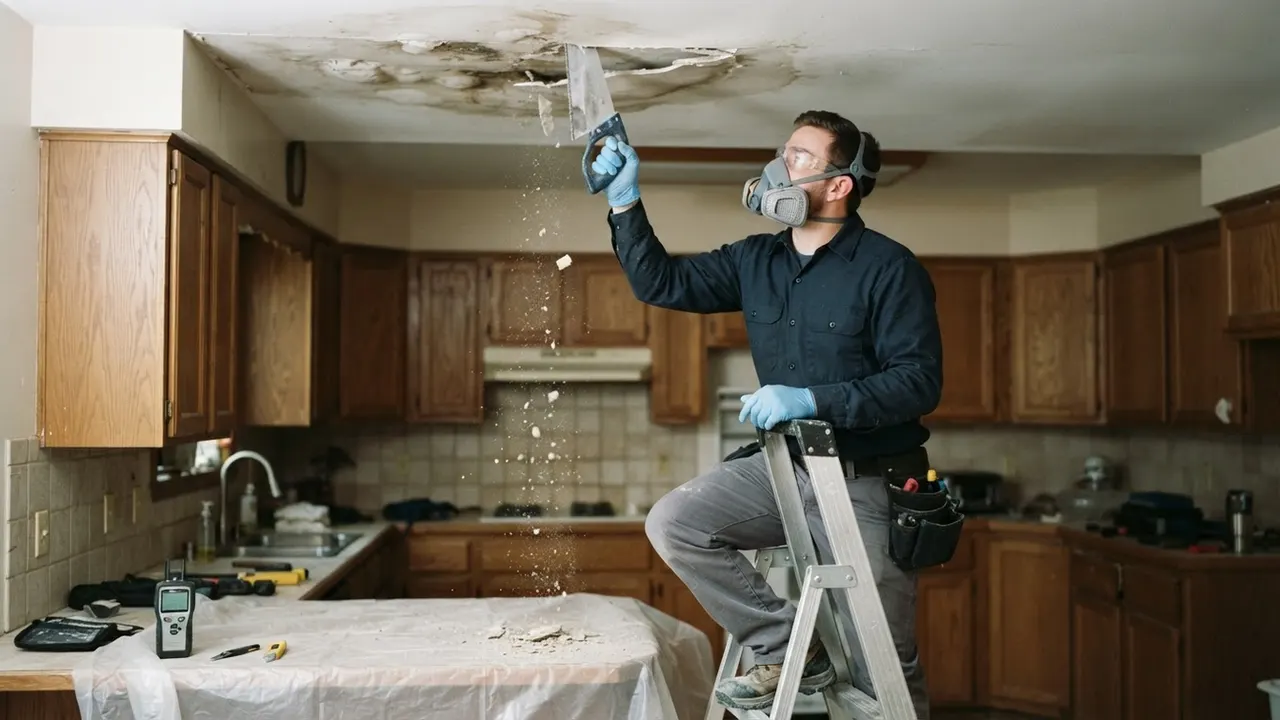
    A spreading stain can signal ongoing water from a roof, plumbing line, or appliance above. A bulging ceiling may hold water and could fail. Keep people clear of the area, avoid puncturing it yourself, and call so the source and affected ceiling can be assessed safely.

  • Musty Odor Follows a Leak or Storm

    A persistent odor can point to damp material that was missed, such as a cabinet base, wall cavity, or carpet padding. The smell alone does not identify the source, but it warrants a moisture inspection. Finding and drying the affected material is more useful than covering the odor.

  • Water Appears Near Outlets or Electrical Equipment

    Water near energized equipment creates an immediate safety concern, even if the depth seems shallow. Do not touch wet switches, cords, or appliances. Keep others away, shut off power only from a dry, safe location if possible, and call for help with the hazard clearly described.

How We Handle Creek Crossing Water Losses

Emergency water damage repair near Creek Crossing starts with access, source control, and a quick check for electrical or contamination hazards. We serve Creek Crossing Park and surrounding neighborhood areas using local street names and customer directions to find the affected entrance without treating landmarks as evidence of damage. At the property, we photograph conditions, check the water source, and take moisture readings across affected materials. A hygrometer helps us track room humidity; readings guide where air movers and a dehumidifier should go. Creek Crossing's hot, dry periods can speed surface evaporation while moisture remains inside drywall or flooring, so we rely on measurements instead of appearance. For same day water damage restoration in Creek Crossing, call with your ZIP, water source, and whether anyone has shut off the supply. We coordinate equipment placement around occupied rooms, pets, and safe access, then explain the next inspection point.

  • Creek-Adjacent Properties Face Changing Runoff Conditions During Storms

    Stormwater can enter at a low doorway or garage threshold and spread along the floor before it is noticed. The route varies by lot and drainage setup, so an exterior condition cannot be assumed from a neighborhood name alone. We ask where water first appeared and inspect the threshold, nearby floor edges, and affected rooms. After the source is controlled, we extract water and record damp boundaries. If the entry is still active, we prioritize safe temporary protection before finishing interior drying.

  • Some Local Areas Have a High Water Table

    Water at a low point or foundation joint may continue entering after interior extraction. A damp floor can also be mistaken for a plumbing leak, so source identification matters before repairs or drying equipment are finalized. We trace visible water paths, check accessible plumbing and affected surfaces, and document conditions for the property owner. We remove standing water and dry the interior while identifying whether a separate drainage or foundation assessment should follow.
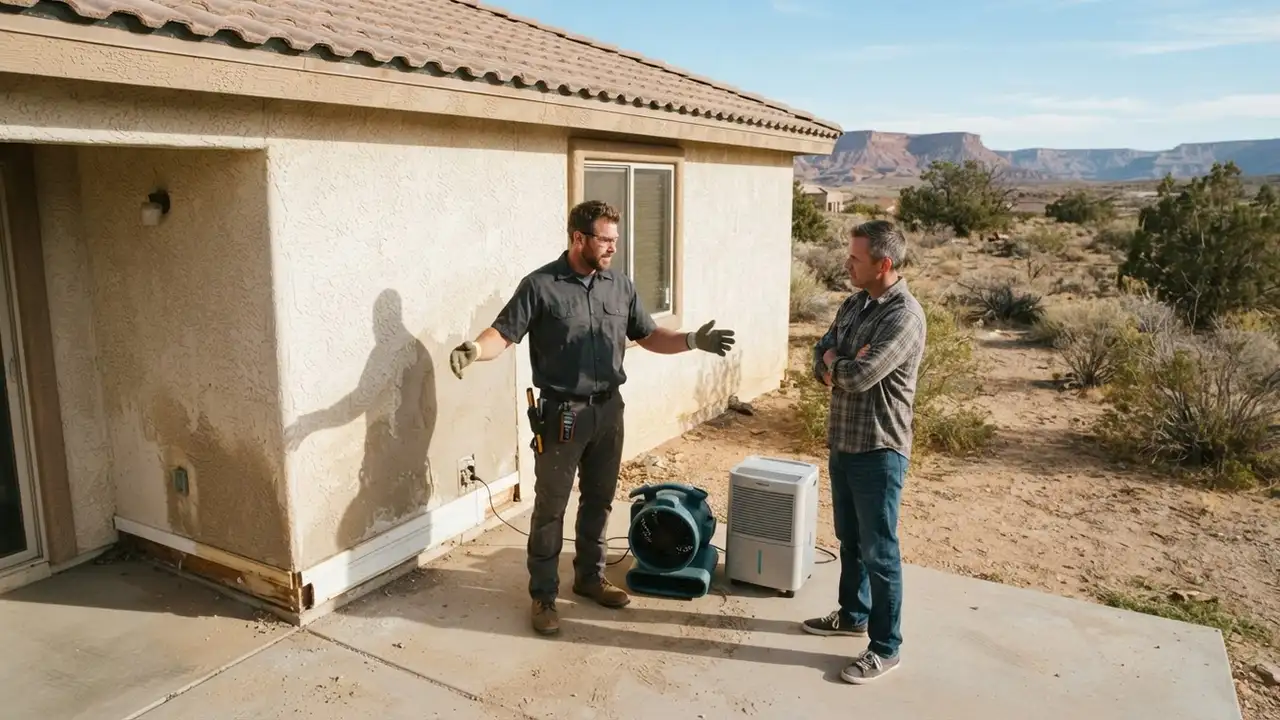
  • Newer Homes Still Experience Appliance and Plumbing Leaks

    Modern fixtures and connections do not eliminate failures. A small supply-line leak can run beneath cabinets or flooring, leaving a larger hidden wet area than the visible stain suggests. We check the shutoff, appliance connections, cabinet base, and adjoining floor transitions. Moisture readings help map the affected area. We coordinate extraction and drying after the leak stops, then explain which materials need continued monitoring or repair.

  • Nevada State Contractors License Requirements

    Repair and reconstruction work that falls under state contractor licensing requirements must be handled within the applicable license classification. We distinguish emergency mitigation from regulated repair work and coordinate the appropriate work scope for your Creek Crossing property.

  • EPA Lead-Safe Renovation, Repair and Painting Requirements

    For covered renovation work in pre-1978 housing, federal lead-safe requirements may apply when painted surfaces are disturbed. We consider the age and work area before removal or repair, and use the required lead-safe process when the rule applies.

Creek Crossing Landmarks and Navigation

For directions, we use Creek Crossing Park, Creek Crossing Elementary, Mesquite Creek Trail, and Creek Crossing Shopping Center as orientation points when a caller needs to describe a nearby street or entrance. These places help establish where the property is; they do not indicate why water damage occurred. When you call, provide the property address first, then mention the closest landmark and any gate or parking instructions. That gives our crew a practical route and helps keep extraction equipment near the affected entrance.

  • Creek Crossing Park

    The park name can help callers describe the general side of Creek Crossing where a property is located. We use it as a navigation reference alongside the actual street address, not as a substitute for the service location.

  • Creek Crossing Elementary

    The school can serve as a familiar orientation point when a caller gives directions to a nearby residential street. A complete address and any access instructions remain necessary for locating the correct property.

  • Mesquite Creek Trail

    Callers may use the trail name to explain their general location or approach. We confirm the street address and entry details before dispatching so the landmark is only used for orientation.

  • Creek Crossing Shopping Center

    The shopping center is a named commercial point in the Creek Crossing area. For a business water-loss call, provide the suite or storefront identifier, the correct entrance, and any loading or parking instructions.

  • Creek Crossing Commercial Frontage

    Commercial properties near local retail and service uses may have separate customer and service entrances. We ask callers to identify the affected unit and where equipment can be staged without blocking access.

  • Local Creek Crossing Street Network

    We navigate to the exact property address using local street directions supplied by the caller. Gate, parking, and entrance details help avoid delays at the final approach.

  • Mesquite Regional Road Access

    Creek Crossing is served as part of the Mesquite area. The customer address and current access instructions guide the route; we do not rely on a landmark alone for dispatch.

Creek Crossing Neighborhoods We Serve

We take water-loss calls throughout the Creek Crossing area, including Creek Crossing North, Creek Crossing South, Creek Crossing Estates, and Creek Crossing Village. Each visit starts with the property address and water source, not an assumption that every street has the same drainage or construction. If you call from ZIP code 89027, share a nearby cross street or entrance detail and tell us whether the water is still flowing. That helps us prepare the right extraction equipment and locate the affected room quickly.

  • Creek Crossing North
  • Creek Crossing South
  • Creek Crossing Estates
  • Creek Crossing Village

Creek Crossing Water-Loss Examples

  • Creek Crossing North

    Before

    A supply-line leak wet the kitchen floor and lower cabinet area in Creek Crossing North before the homeowner found the shutoff.

    After

    We confirmed that the leak had stopped, extracted water from the kitchen floor, and checked the cabinet base and adjoining hallway. We marked the affected area and took moisture readings at the floor edge and lower wall. Equipment placement was adjusted to keep the main walkway usable while drying continued. The initial extraction visit took about 2 hours. Follow-up checks over 3 days tracked the kitchen edge and hallway separately, allowing the homeowner to see where readings had returned toward dry conditions.

  • Creek Crossing South

    Before

    After a storm, water crossed an exterior threshold and reached carpet and baseboards in a Creek Crossing South living room.

    After

    We removed standing water, checked the carpet perimeter and nearby wall, and separated wet contents from dry furnishings. The customer showed us the entry point, so we documented the water path and focused drying on the affected room rather than moving equipment through the whole home. Extraction and setup were completed during the first visit. We recorded readings at 4 points and revisited the room to confirm the carpet edge and baseboard area were drying before repair planning.

  • Creek Crossing Village

    Before

    A washing-machine connection leaked into a laundry area and spread beneath nearby flooring in Creek Crossing Village.

    After

    We helped the customer shut off the supply, extracted visible water, and inspected the floor transition into the adjoining room. Moisture readings identified a damp section beyond the laundry footprint. We documented the findings and set a targeted drying plan around the appliance and doorway. The first assessment and water removal took roughly 3 hours. Two affected room sections were monitored over subsequent checks, and the customer received a record of the measured areas and recommended repair steps.

Creek Crossing Seasonal Water Risks

  • Spring

    Spring storms can bring short periods of heavy rain and runoff. Watch low doorways, garage thresholds, and rooms where water has appeared before. A small amount of water can travel beneath flooring or collect at the edge of a wall even when the main floor looks clear. Check exterior drainage paths and keep floor-level storage away from known low points. After water enters, photograph the affected area and call with the entry location before moving wet contents.

  • Summer

    Summer heat dries exposed surfaces quickly, but it does not prove that drywall, carpet padding, or a floor cavity is dry. Storms can also send water inside while a home is closed or a business is unoccupied. Appliance leaks continue regardless of weather. Do not rely on a fan alone for a soaked floor. Stop the source if safe, move dry belongings out of the path, and arrange moisture checks when the water reached porous materials.

  • Fall

    Fall is a useful time to check appliance hoses, roof drainage, and areas where stormwater could meet an exterior opening. A roof leak may first appear as a faint ceiling mark, then worsen during a later storm. Keep an eye on stains that change after rain. Clear accessible drainage paths and note existing ceiling marks before the next storm. If a stain grows or begins to sag, keep clear of it and call for an inspection.

  • Winter

    Cool winter nights raise concern for exposed or poorly protected plumbing, especially in unconditioned areas. A frozen line may not show a leak until it thaws. Water can then move behind drywall or under cabinets before the room warms fully. Know where your main shutoff is and protect vulnerable plumbing during cold snaps. If a pipe leaks, shut it off only from a safe location, then report the affected rooms and whether the water is still running.

Questions to Ask Before Hiring Locally

A useful emergency contractor should tell you what happens first, what equipment will be used, and how progress will be measured. For a Creek Crossing loss, ask how the team will handle your specific water source, whether they inspect beyond the visible stain, and how they document the work. You should hear clear answers about extraction, drying checks, and any repair coordination. A confident answer is practical and tied to your property, not a string of broad claims. Use these questions before work begins so you understand the process and the next decision.

  • How Will You Confirm the Water Source Has Stopped?

    Drying cannot hold if water is still entering. A competent crew checks the visible source, asks about shutoffs, and identifies when a plumber or roofer must stop the leak. The answer should explain how they will verify the area before placing drying equipment.

  • Will You Check Behind the Stain and Adjoining Rooms?

    Water often moves along a floor edge, behind baseboards, or into a wall cavity. Ask what readings or inspection steps they use to map the affected area. A contractor should explain why adjacent rooms are included when the water path points that way.

  • How Often Will You Take Moisture Readings?

    A drying plan needs progress checks, not a single equipment setup. Ask which materials they will measure and how readings affect equipment placement or removal. Clear monitoring helps you understand when the affected floor or wall is ready for the next repair step.

  • How Do You Handle Sewage or Stormwater Contamination?

    Water from a drain or outside can require different protective steps and material decisions than a clean supply-line leak. The contractor should ask where the water came from and explain how the affected area will be isolated, cleaned, and documented.

  • What Will You Document for My Insurance Claim?

    Photos, room notes, readings, and a record of work can help you communicate the loss to your insurer. Ask whether the contractor documents observed damage and completed mitigation. They should not promise coverage, which is decided under your policy by the insurer.

Creek Crossing Emergency Repair Faqs

Still wondering? (833) 546-4116

Emergency water damage repair in Mesquite: water damage restoration technician conversing with a homeowner in a partially

Call for Emergency Water Damage Repair in Creek Crossing

If water is spreading through your Creek Crossing home or business, call Mesquite Water Damage Company at (833) 546-4116. Tell us the address, water source, and any immediate safety issue; we will use those details to prepare for the first assessment and extraction. Our team serves Creek Crossing and nearby Mesquite areas. Call now to discuss the affected rooms and the next practical step.

Contact Our Team

Call (833) 546-4116 to explain what happened and where water is collecting. We take calls for water damage requests and connect you with an independent company that can discuss service details directly. If the leak is active, shut off the source when safe and tell us whether the water reached electrical equipment, flooring, or more than one room.

Thanks. Your request is in and the team will follow up shortly.