Item Record
Photos and condition notes organized by affected area.
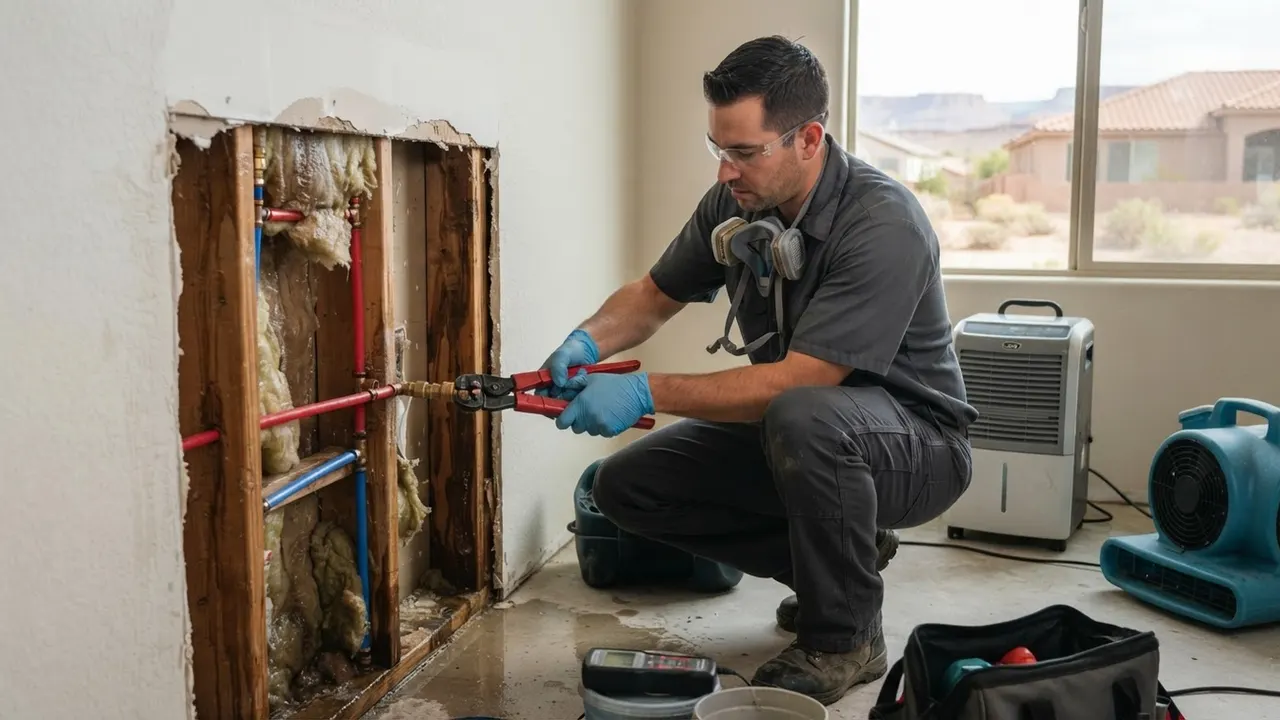
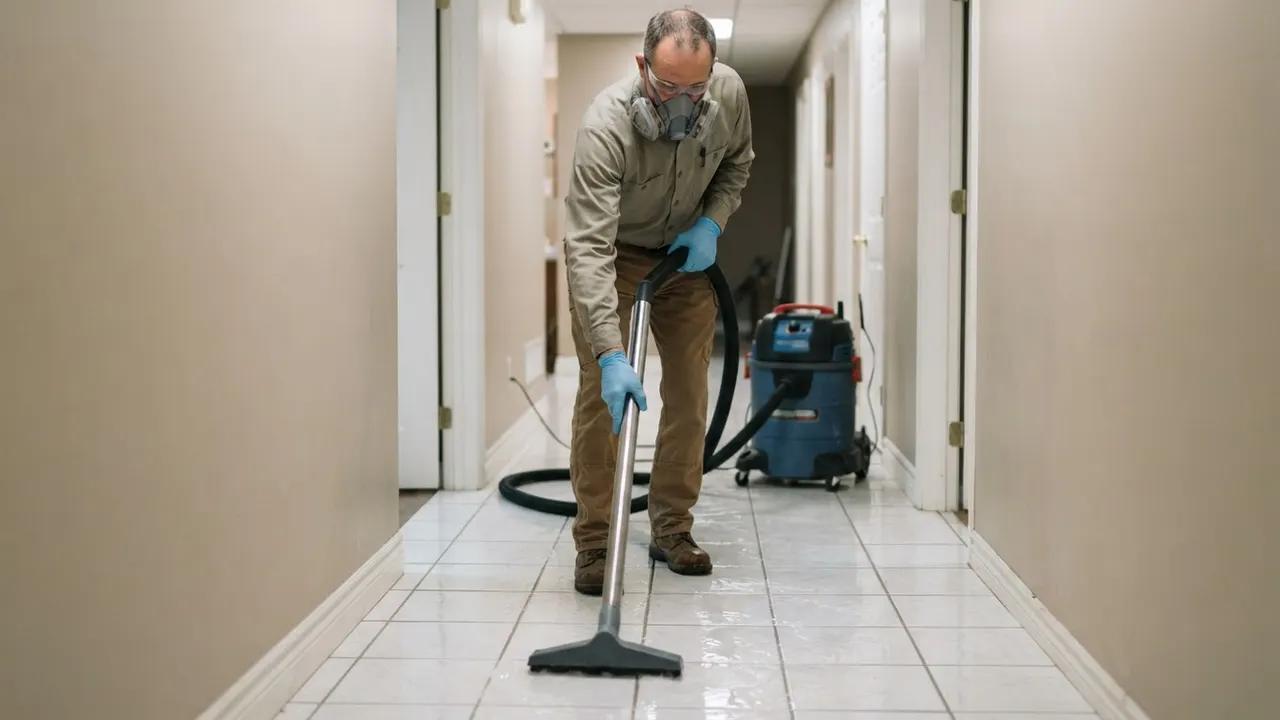
Our content cleaning and restoration Mesquite NV service helps homeowners, tenants, and local businesses recover belongings after a burst pipe, appliance leak, roof leak, or flooding. We sort affected items, document their condition, and choose a cleaning method suited to each material. Our content restoration Mesquite NV work focuses on practical salvage decisions, careful handling, and returning usable possessions without carrying avoidable moisture or residue back into your property.
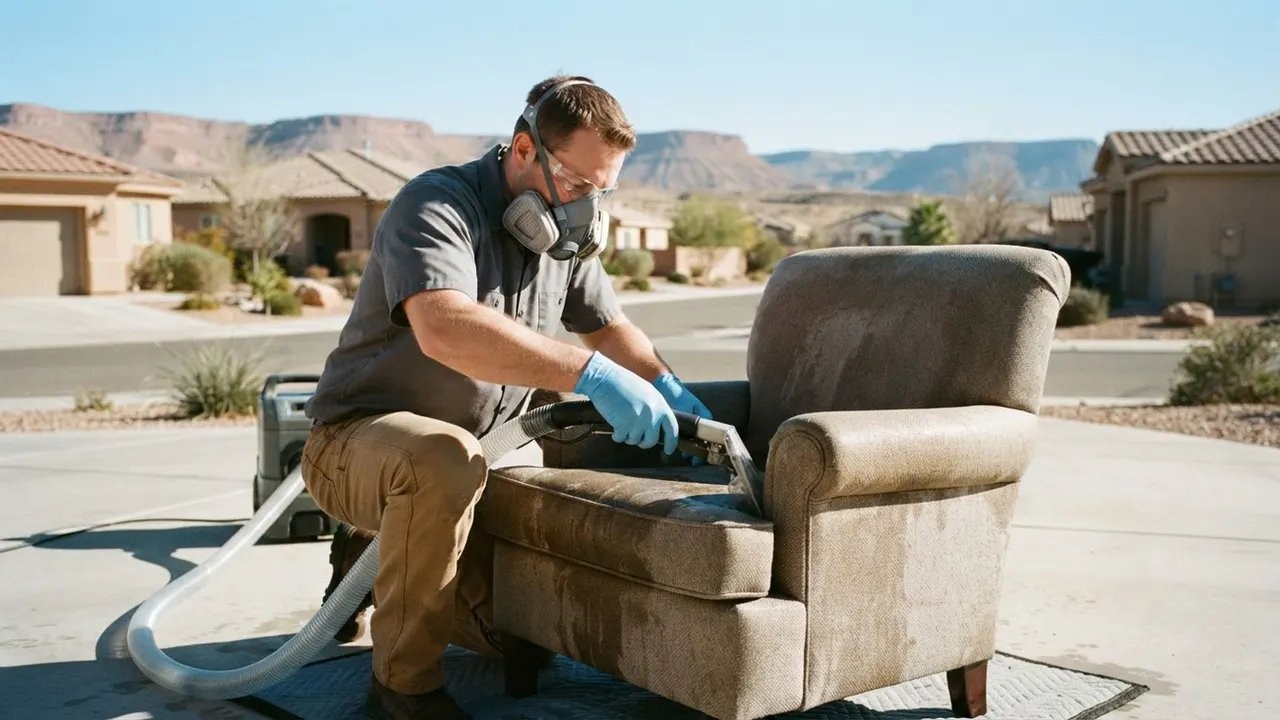
Our contents service covers assessment, item sorting, photo documentation, appropriate cleaning, controlled drying, and coordination before return. Work is selected according to water source and material. Delicate documents, electronics, antiques, and items with extensive contamination may need a specialist or a separate treatment plan. We explain those distinctions early, so you can make informed decisions about your belongings.
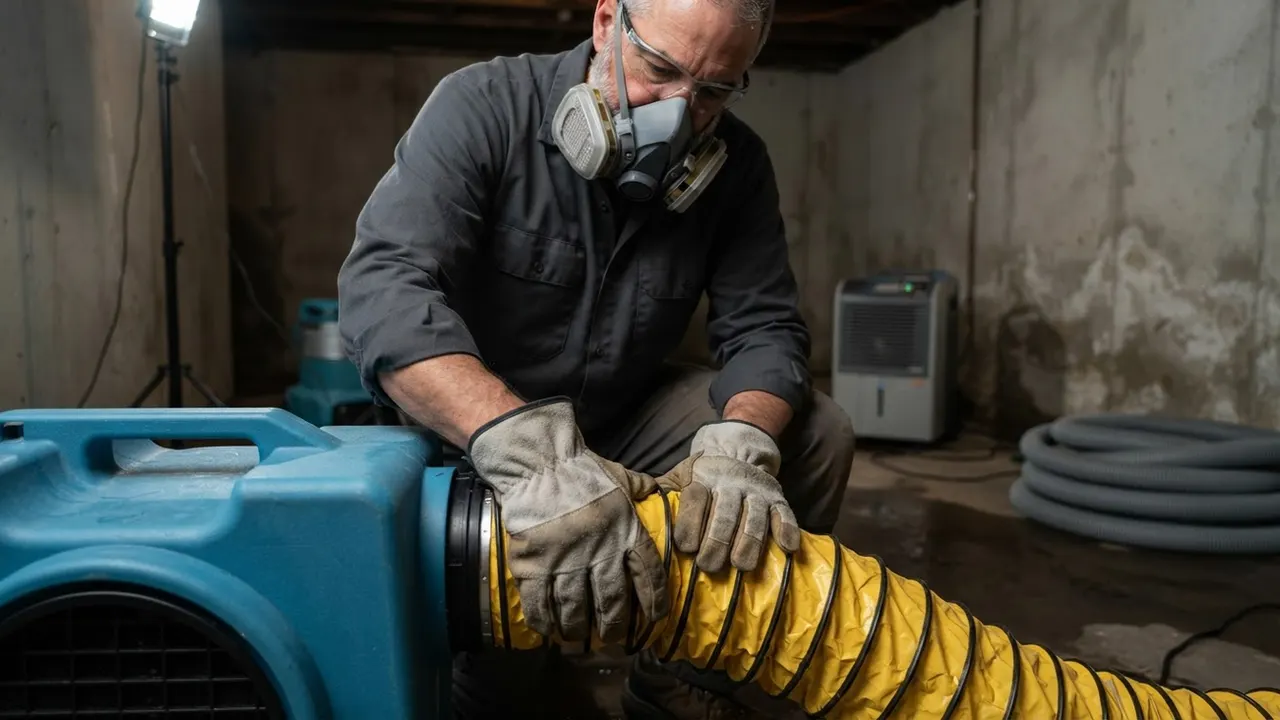
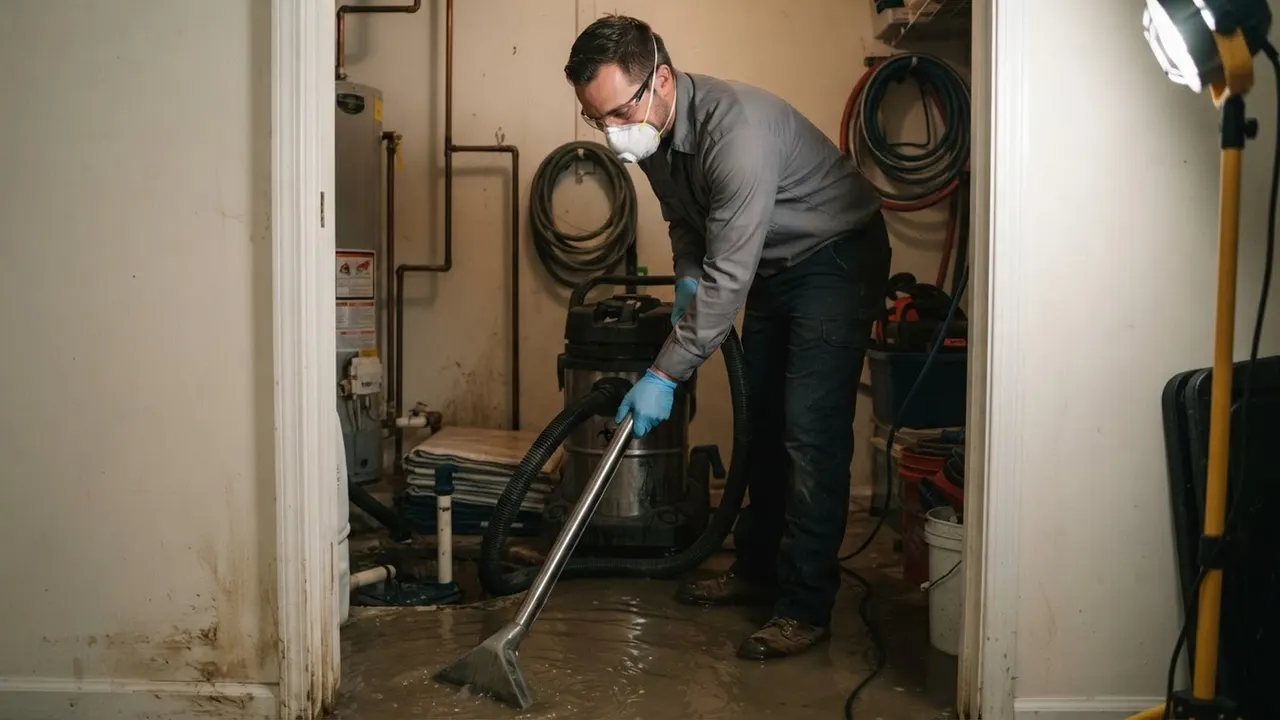
We sort household belongings by room, material, and water exposure before cleaning begins. You get a clear view of what can be treated, what needs specialist care, and when items can return.
We organize affected stock, furnishings, and equipment around your space and drying needs. Property managers receive item records and a staged return plan that helps keep clean areas separate.
content cleaning and restoration Mesquite NV is a contents recovery service that inventories, cleans, dries, and evaluates belongings affected by water, residue, or odor. We separate salvageable items from those that need specialist treatment or disposal, then select a method according to material, contamination, and condition. A moisture meter and hygrometer help us track drying conditions, while photographs and item records support clear decisions. The work can cover furniture, textiles, household goods, and selected hard-surface items; document drying is handled as a distinct specialty when paper records are involved.
Mesquite properties can face contents damage after a burst pipe, slab leak, appliance leak, roof leak, or storm flooding. Water that reaches carpet padding, hardwood flooring, or stored goods can leave a musty odor even after the visible water is gone. Our professional content cleaning Mesquite NV approach separates affected items from clean areas and coordinates with structural drying where needed. If you searched for content cleaning after water damage Mesquite NV, we assess the source, contamination category, item construction, and time wet before recommending treatment.
The right cleaning method follows the water source, material, and measured drying conditions.
Content cleaning and restoration Mesquite NV follows a staged workflow: protect unaffected property, document the loss, clean suitable items, and verify drying before return. We explain the next action at each stage, so you know what is being handled and why. A small contents area may be assessed in a few hours; drying and specialty treatment can take longer.
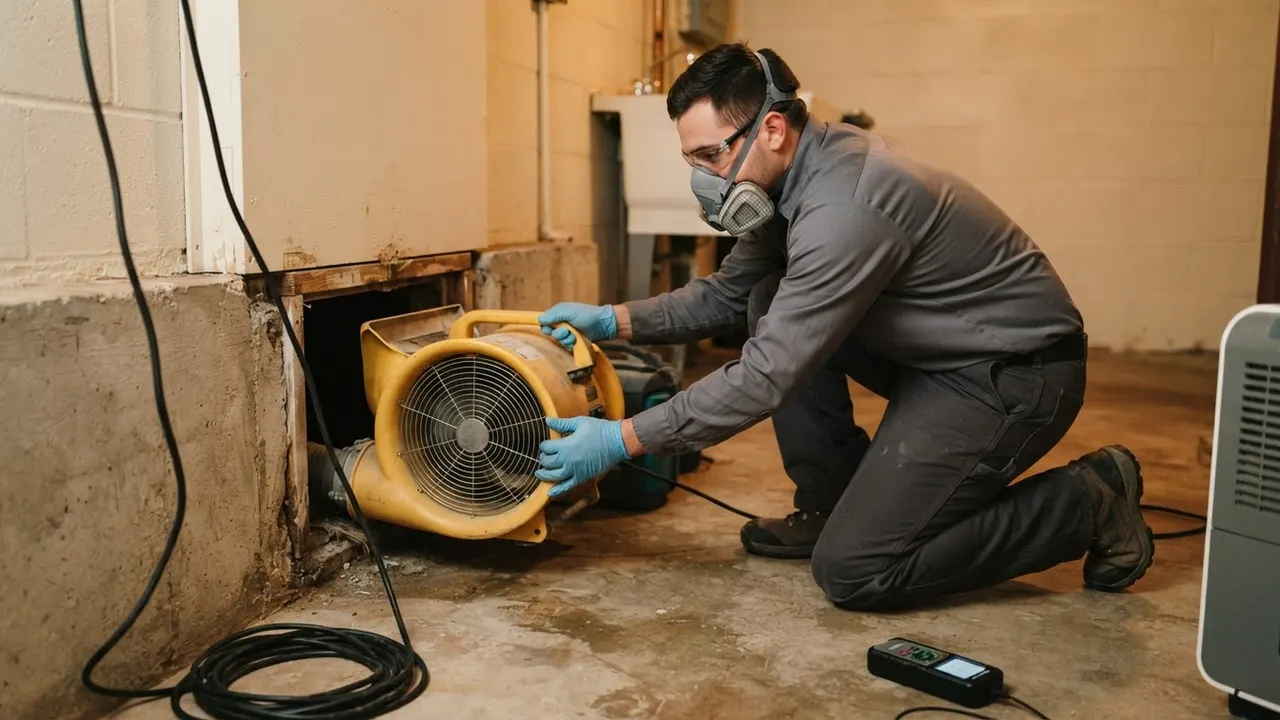
We identify the water source and separate affected belongings from dry, unaffected items. If water is still entering, source control comes first. Our team establishes clean and affected zones, marks items needing careful handling, and avoids moving contaminated contents through clean rooms. Sorting usually begins during the initial visit and establishes a safer route for the rest of the work.
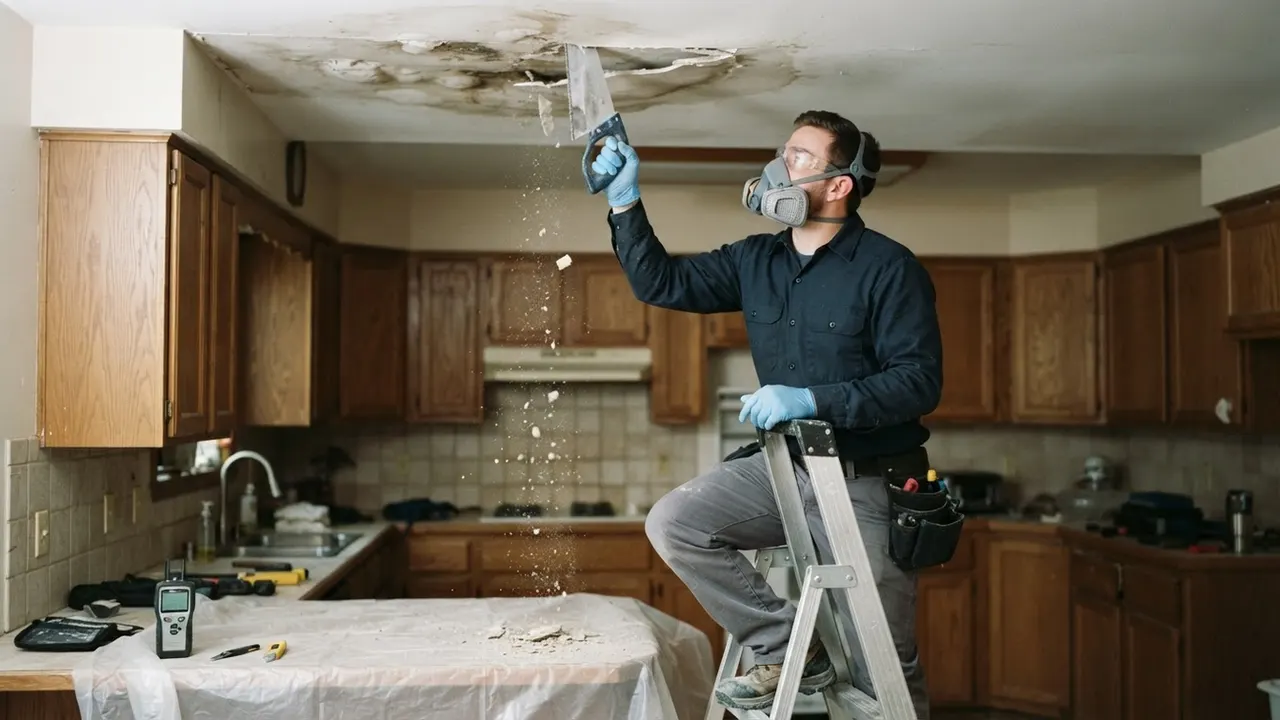
We photograph items, note visible damage, and group belongings by material and treatment need. A typical household inventory may take two to four hours, depending on room count and the number of small possessions. You can point out fragile, sentimental, or essential items first. We keep records organized so cleaning decisions and claim discussions have a consistent reference.
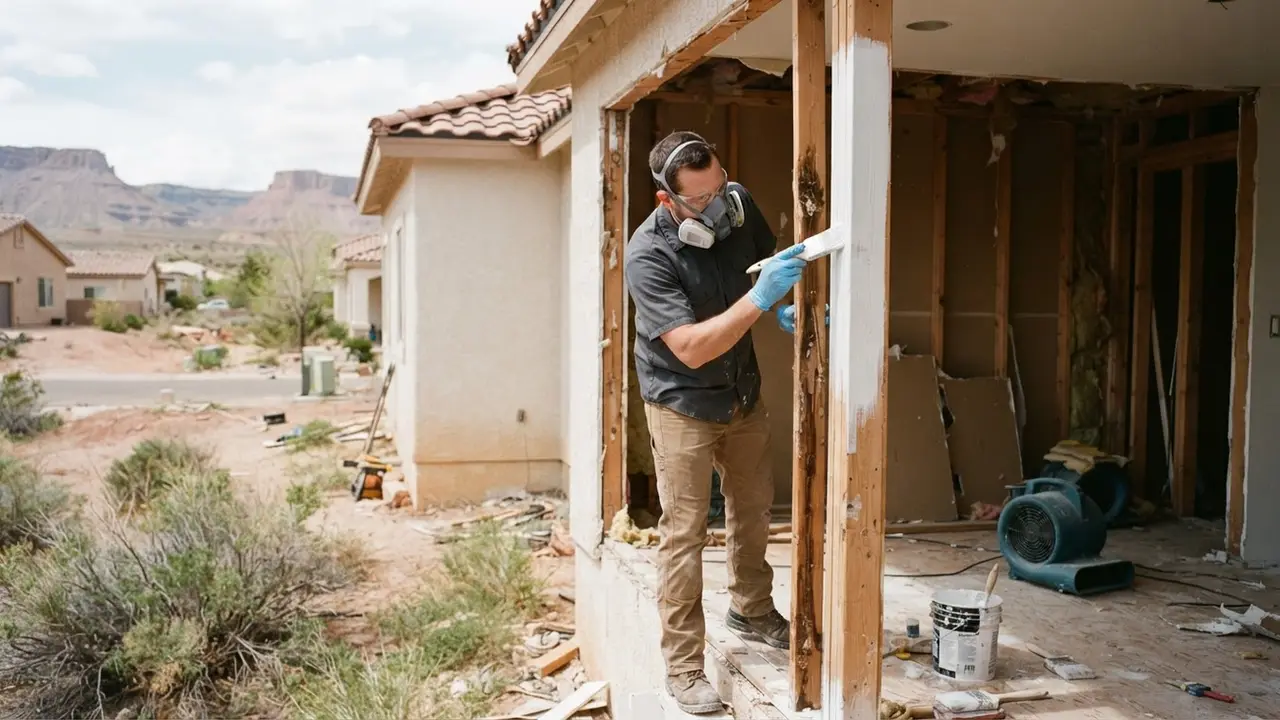
We match cleaning to the item and the water involved. Clean water exposure differs from sewage backup, and porous materials need different decisions than sealed hard surfaces. The team identifies items for surface cleaning, controlled drying, specialty care, or disposal. This step prevents an unsuitable chemical or aggressive method from damaging finishes, fabrics, or sensitive contents.
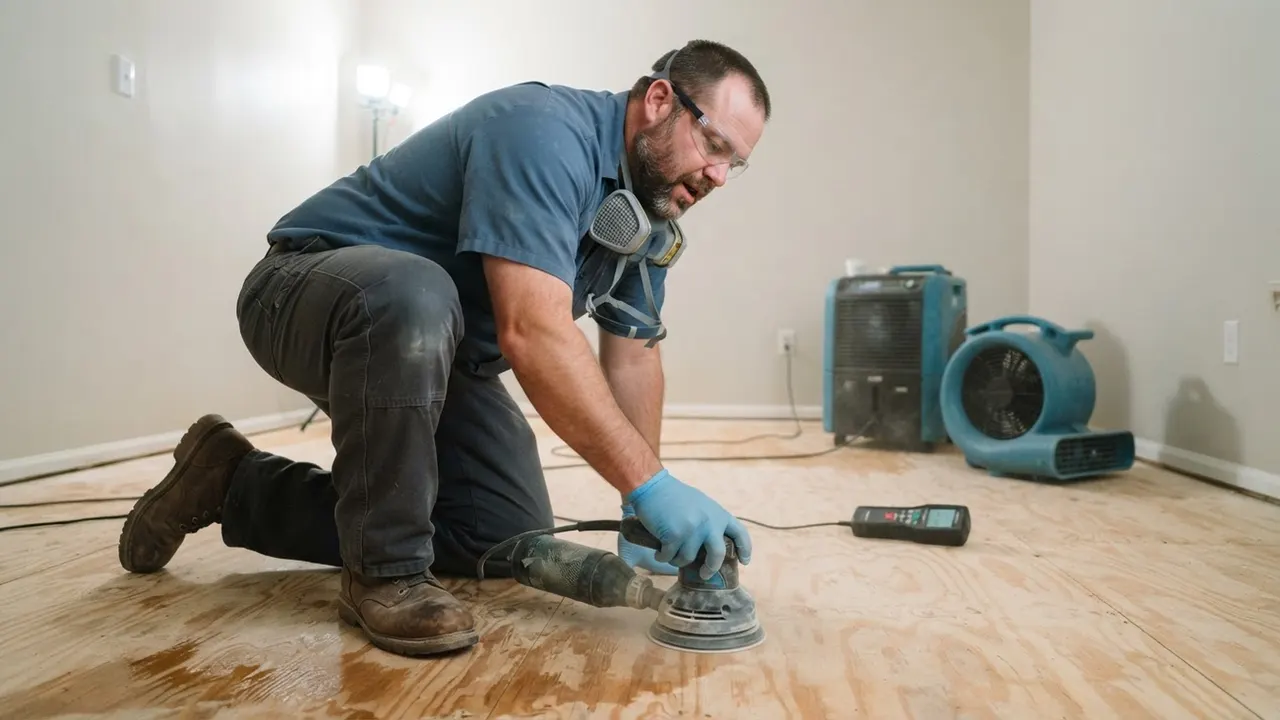
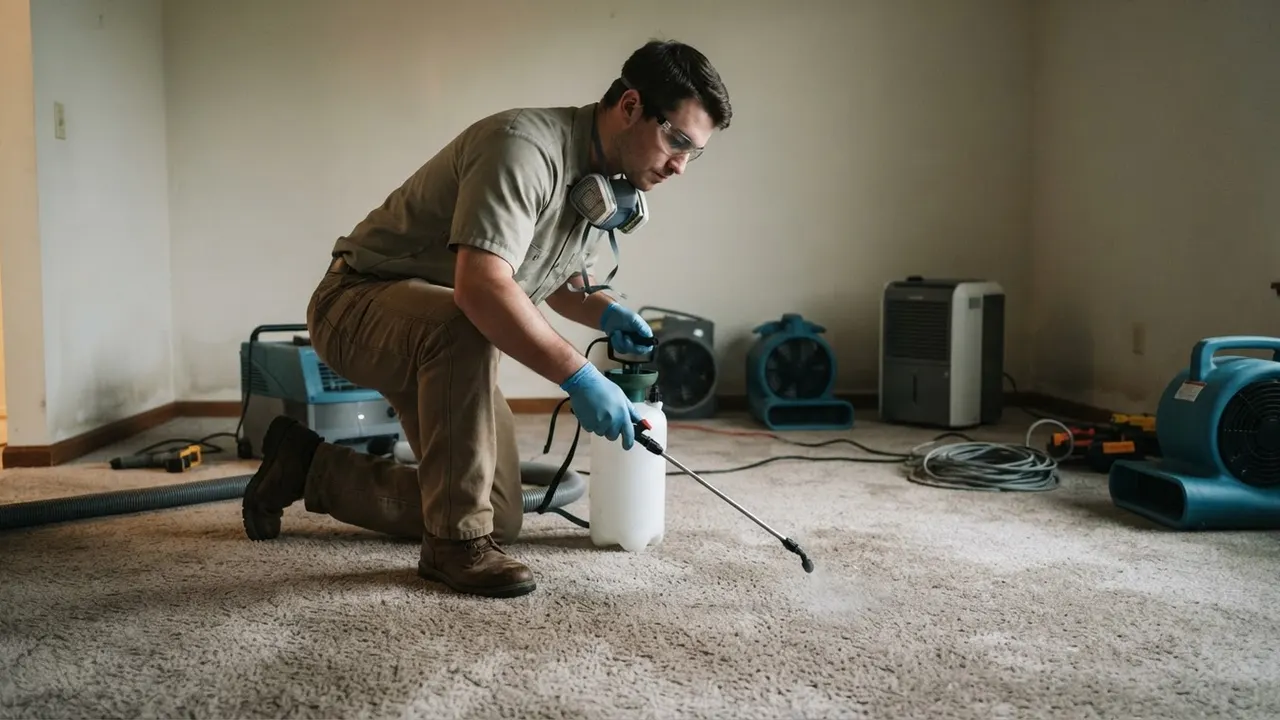
Suitable contents are cleaned using material-appropriate methods, then placed where airflow and humidity can be controlled. An air mover and dehumidifier can support drying; a hygrometer tracks the room conditions. Drying commonly takes 24 to 72 hours, but thick upholstery, stacked goods, or humid spaces can extend that window. We check progress instead of relying on a fixed schedule.
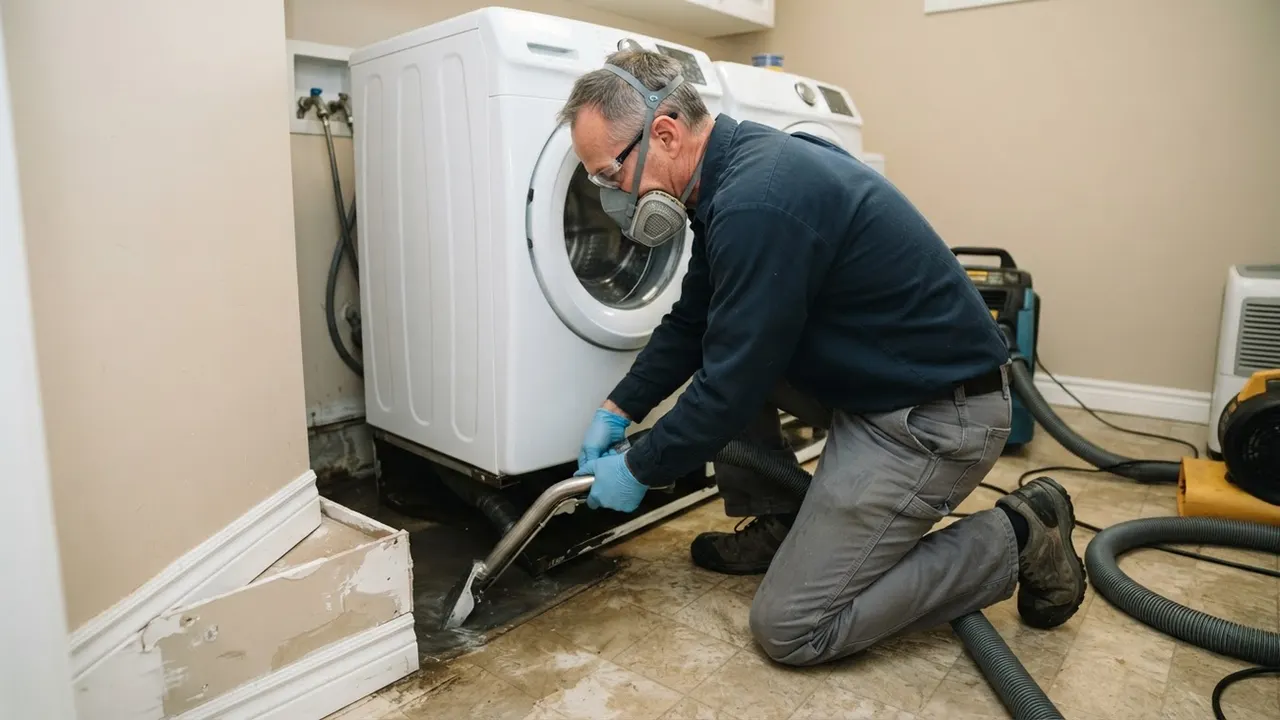
Before items return to living or work areas, we review their condition, confirm that treatment is complete, and coordinate with structural drying. We flag unresolved odor or moisture concerns rather than hiding them with fragrance. You receive the item record and a practical return plan, including which possessions need additional specialist care or should remain out of the affected space.

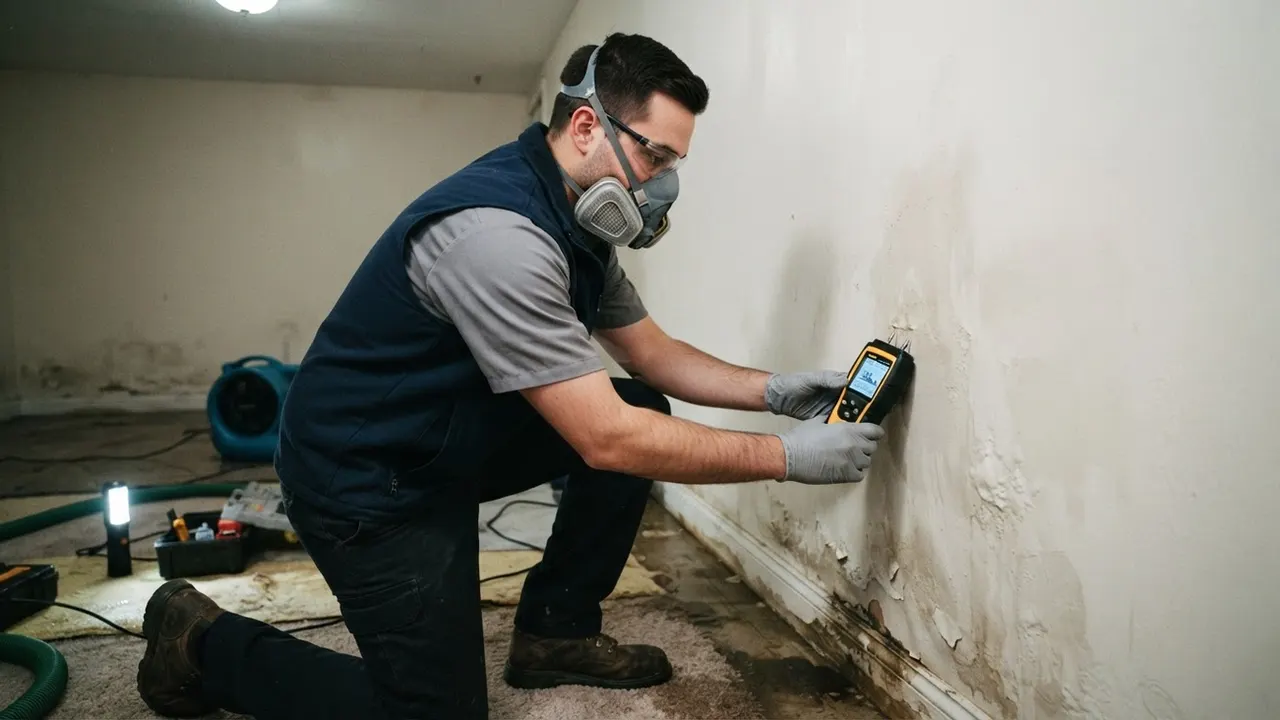
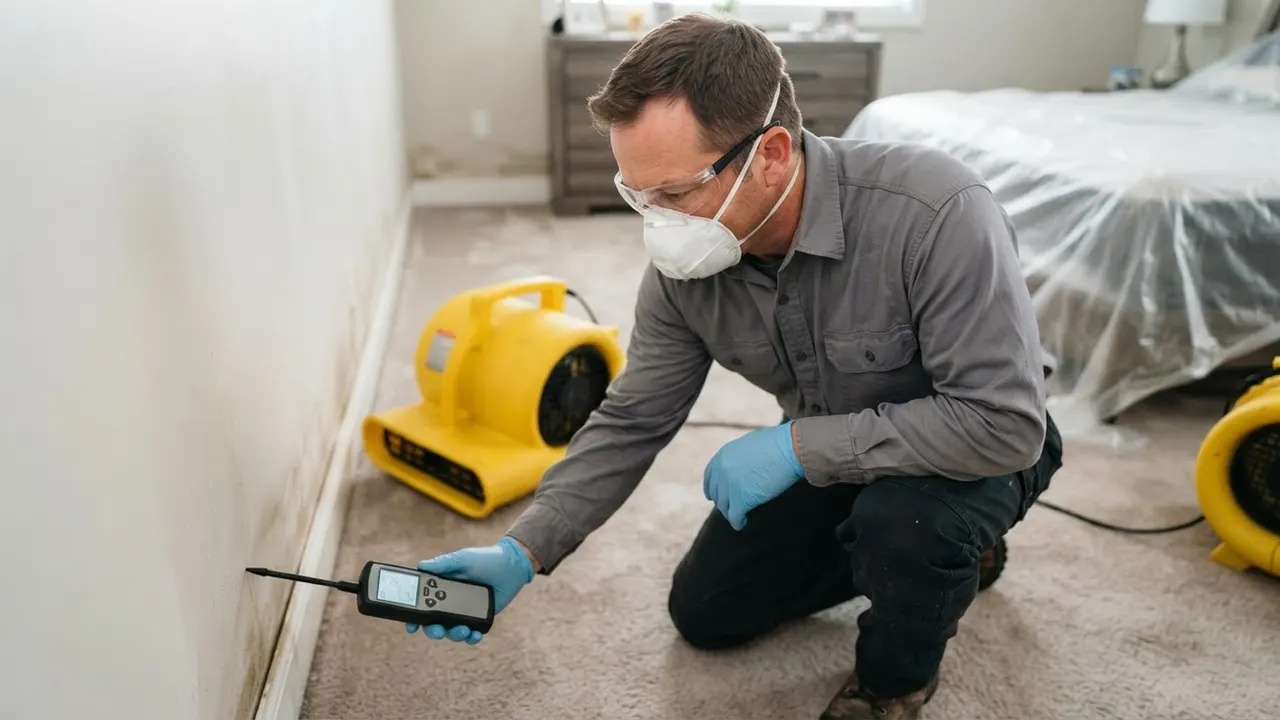
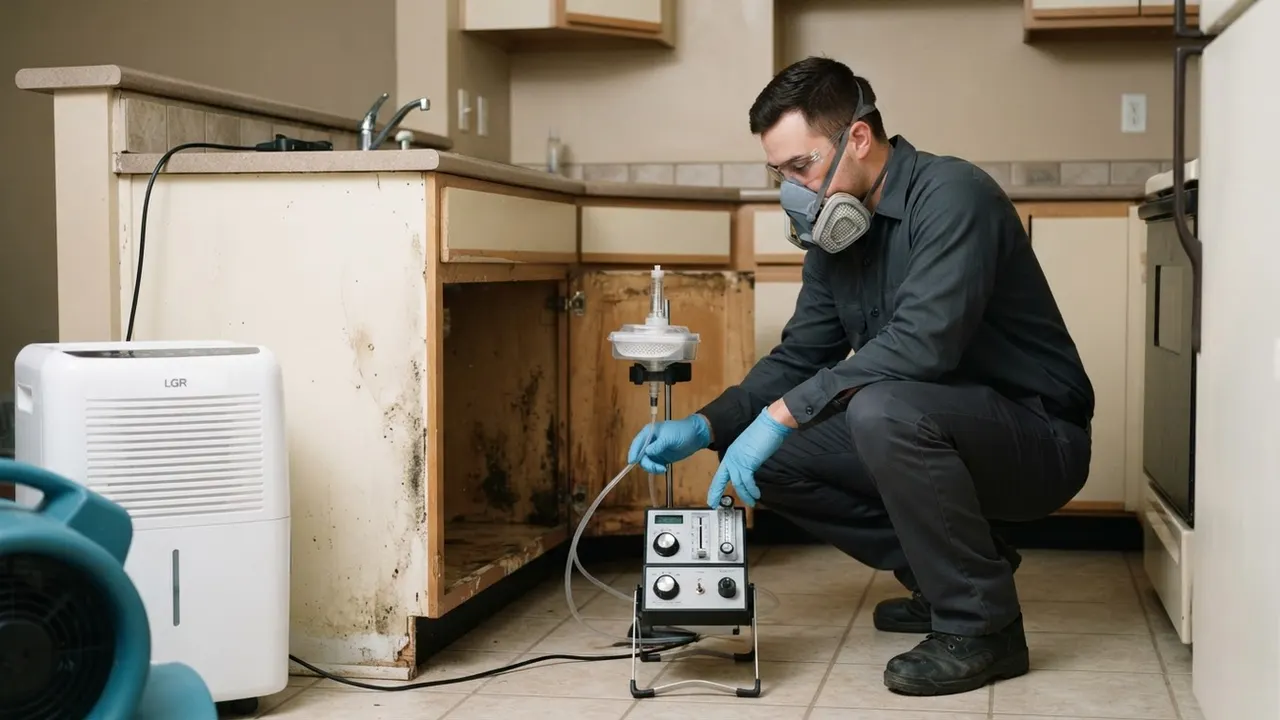
We check moisture in selected materials and compare readings during drying. Results help identify items or adjacent building materials that need additional attention.
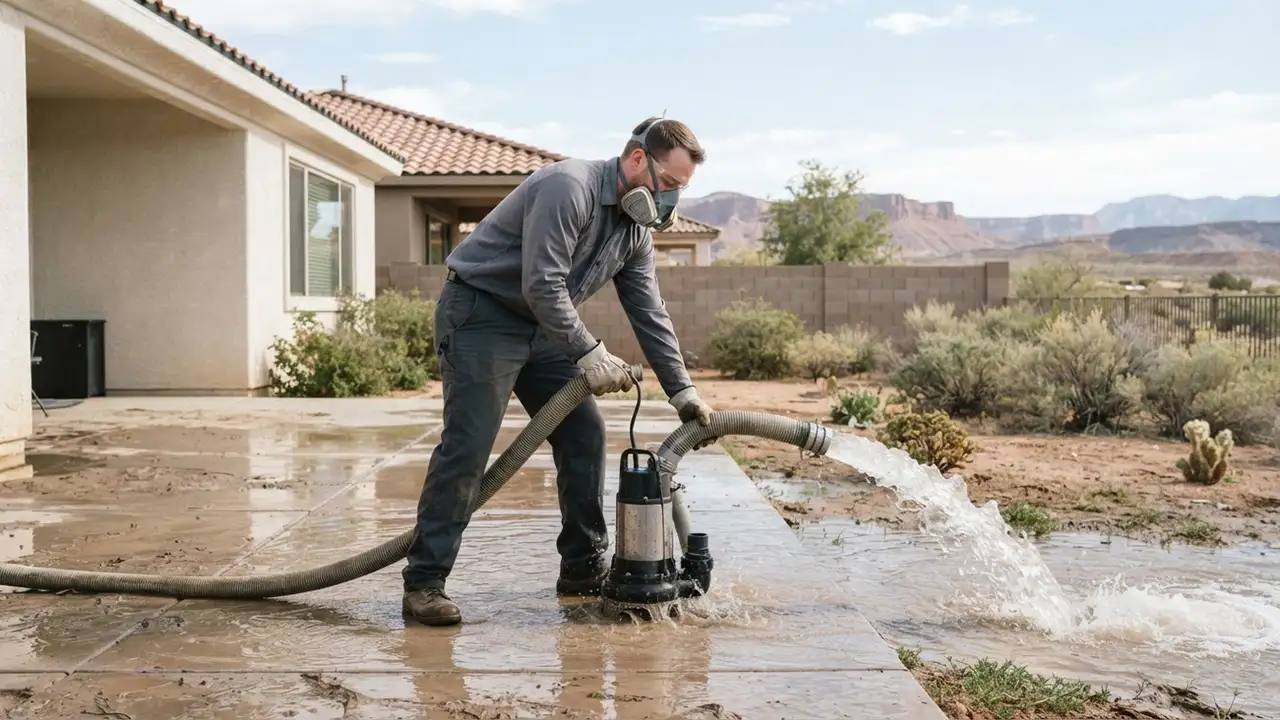
We monitor relative humidity in the work area to understand drying conditions and decide whether airflow or dehumidification needs adjustment.
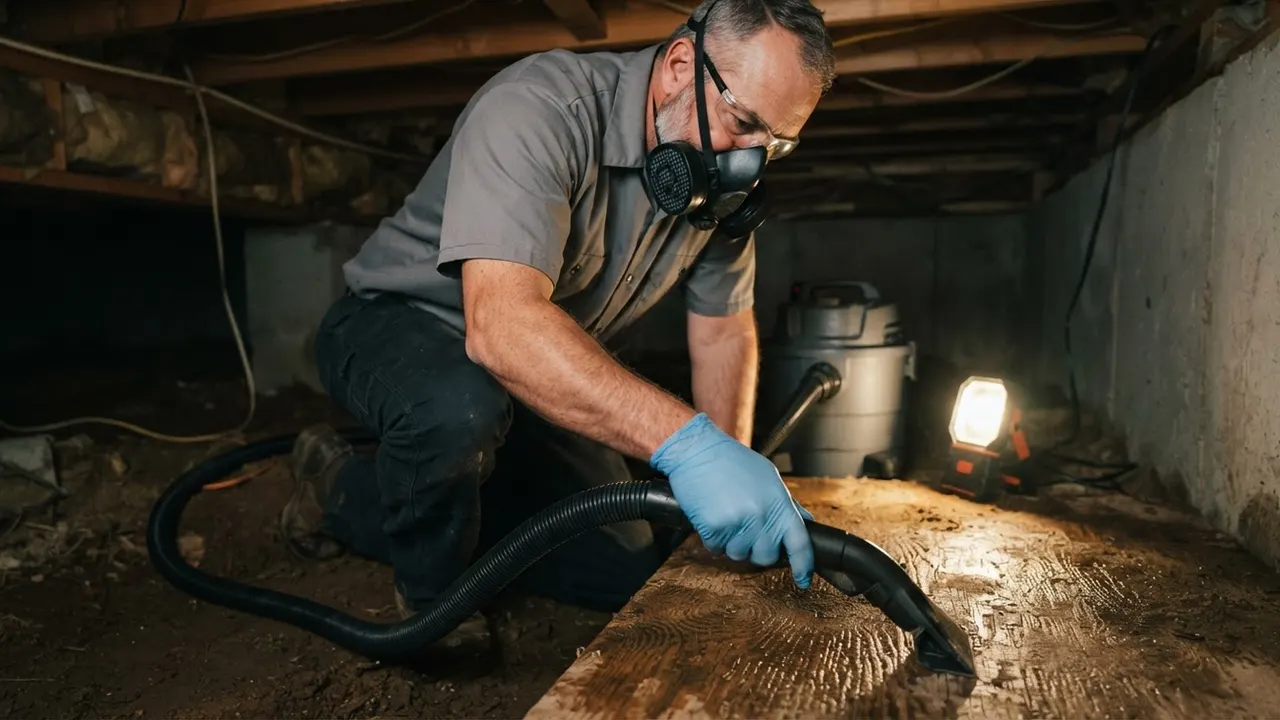
Directed airflow supports drying of suitable contents and nearby surfaces. We position equipment to move air without spreading debris or disrupting protected areas.
A dehumidifier removes moisture from the air during controlled drying. Its use is coordinated with room conditions and the materials being treated.
Where airborne particles are a concern, a HEPA air scrubber can support localized work-area control. Placement depends on the conditions and the scope of cleaning.
Bissell extraction equipment can be used for appropriate washable textile cleaning when the material and contamination level support that method.
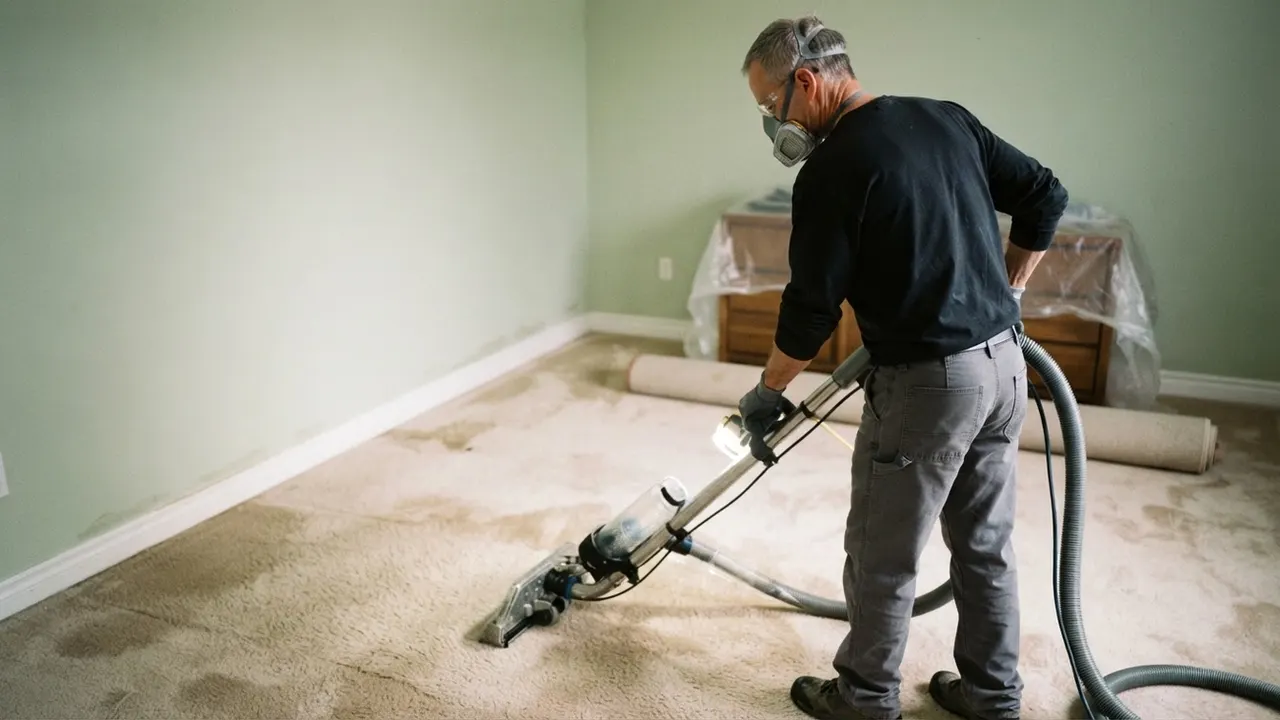
We identify whether the exposure came from a clean supply line, a source with contaminants, or sewage before selecting a contents method. That distinction guides separation, handling, and salvage decisions. Porous items receive more cautious review than nonporous surfaces, and contaminated goods are kept apart from clean possessions.
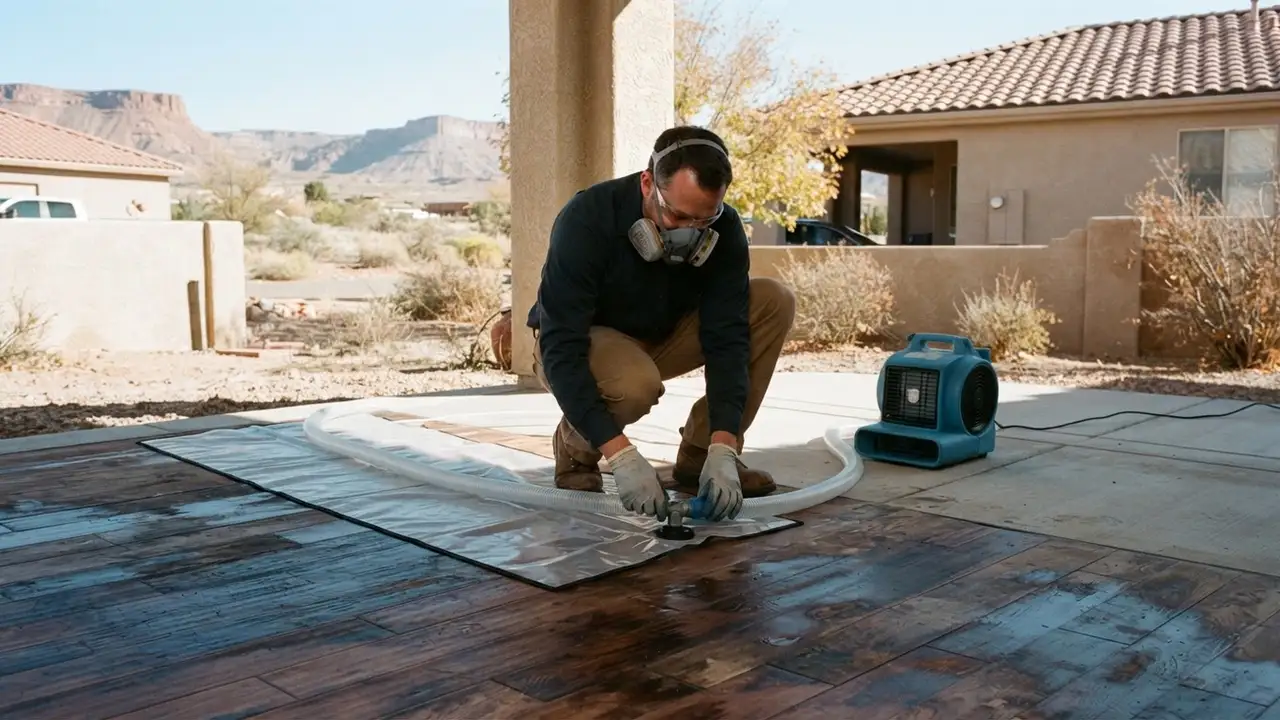
We record the affected location, item description, and visible condition before treatment. This creates a consistent reference as belongings move through cleaning, drying, and return. You can use the record to track decisions and organize claim conversations without treating documentation as a promise of coverage.
We stop the contents from staying in contact with wet surfaces, inventory the affected groups, and separate washable textiles from damaged boxes or footwear. The team coordinates cleaning and drying with the bedroom's structural work, then tracks what is ready to return. You get an organized list of affected possessions, a clearer salvage decision, and a return sequence that avoids placing cleaned items in a damp closet.
We document the storage area, move suitable contents away from ongoing water entry, and assess each material for cleaning or specialist care. Roof and room drying work are coordinated with the contents plan so items are not exposed again during repairs. Recoverable belongings are cleaned and held in suitable conditions while damaged goods and specialist items are identified separately.
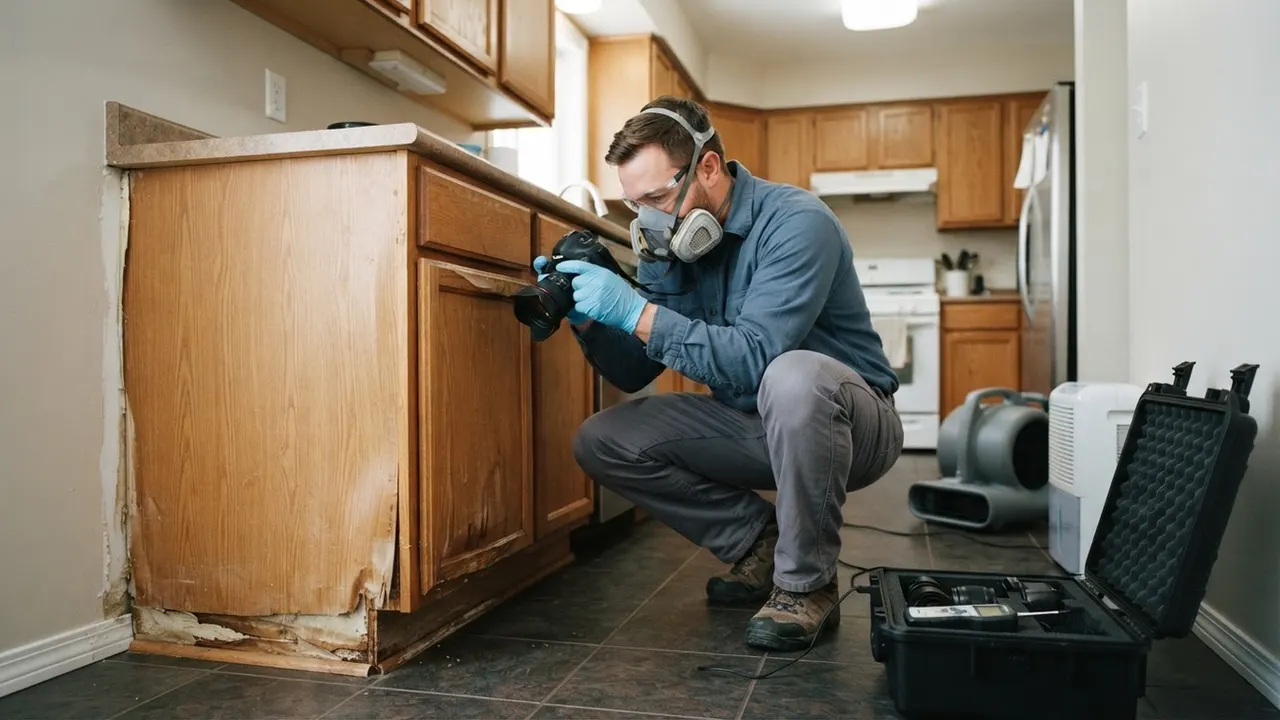
We separate food and electrical items for appropriate review, photograph affected contents, and clean suitable hard goods and furnishings. The team coordinates with water extraction and floor drying so cabinets and stored possessions are addressed in a safe sequence. You know which items can be cleaned, which need specialist review, and when the kitchen contents can return without being placed over wet flooring.
We identify the exposure, limit movement through clean parts of the property, and sort contents according to porosity and contamination. Items unsuitable for safe recovery are separated, while salvage candidates are handled alongside sewage cleanup and drying. Contaminated goods are not casually mixed with clean possessions, and the remaining items receive a documented, material-based decision.
Mesquite's hot, dry climate does not make wet belongings safe to ignore. Warm indoor conditions can speed evaporation at the surface while moisture remains inside cushions, boxes, or wood joints. We check the item and room rather than assuming that a dry exterior means the contents are ready. During cooler periods, closed rooms and limited airflow can slow drying; after summer storms, roof or window entry can affect attic storage and furniture below.
Our content restoration Mesquite NV process also accounts for local property layouts, including single-story homes, attached garages, storage rooms, and businesses with back-of-house inventory. We keep clean contents separate from areas where drywall, insulation, or flooring is still being handled. A moisture meter, hygrometer, and coordinated dehumidification help guide that work. If you are searching for content cleaning Hagan Hill NV, we can discuss the affected rooms, water source, and access before arranging the next step. Service is available across Clark County and Mesquite ZIP codes 89027, 89034, and 89024.
A supply-line leak left 18 storage boxes, a small cabinet, and several fabric items damp in a laundry room. The boxes had softened at the bottom, and the cabinet sat close to wet flooring. The homeowner needed to know what could be cleaned before the room's drying work was complete.
We documented the affected groups, separated washable textiles from damaged cardboard, and cleaned suitable hard-surface contents. The 18 boxes were reviewed individually; items in 6 compromised boxes were transferred to clean containers after assessment. Contents stayed out of the room until drying checks showed the space was ready for return.
Keep stored goods on shelving rather than directly on the floor, and leave a small air gap behind boxes. Check supply hoses periodically and move valuables away from laundry connections.
An appliance leak spread beneath kitchen cabinets and reached pantry goods, a rug, and two dining chairs. The floor looked nearly dry after extraction, but the chair legs and rug backing remained damp. The family wanted the kitchen usable without returning items to an affected area too soon.
We separated food and electrical items for appropriate review, documented the chairs and rug, and cleaned suitable contents. Room humidity was checked during the drying period, which lasted about 48 hours. The chairs returned after the floor and nearby cabinet area were ready, while the rug received separate drying attention.
Inspect appliance connections and the cabinet toe-kick for dampness after a leak. Keep rugs lifted until the floor and backing are dry, and avoid storing pantry items against recently wet cabinet walls.
A roof leak during a storm affected 12 attic storage containers and several upholstered pieces below. Water marks were visible on the containers, and a musty odor had started in the room. The contents needed sorting before roof repairs and interior drying could proceed.
We photographed all 12 containers, separated dry goods from wet contents, and identified textiles for cleaning or specialist review. The affected room was held clear during repair and drying. Once room conditions improved, suitable items returned in a staged sequence, while damaged containers were not reused for clean belongings.
Store seasonal items in lidded containers and keep them clear of roof edges or known leak paths. After heavy wind or rain, check attic storage for fresh staining and move vulnerable items promptly.
Water-damaged belongings create more than a cleanup task: they can carry moisture, odor, residue, or contamination into unaffected rooms. Our content cleaning and restoration Mesquite NV service sorts those risks, documents condition, and gives you a workable plan for the possessions that matter.
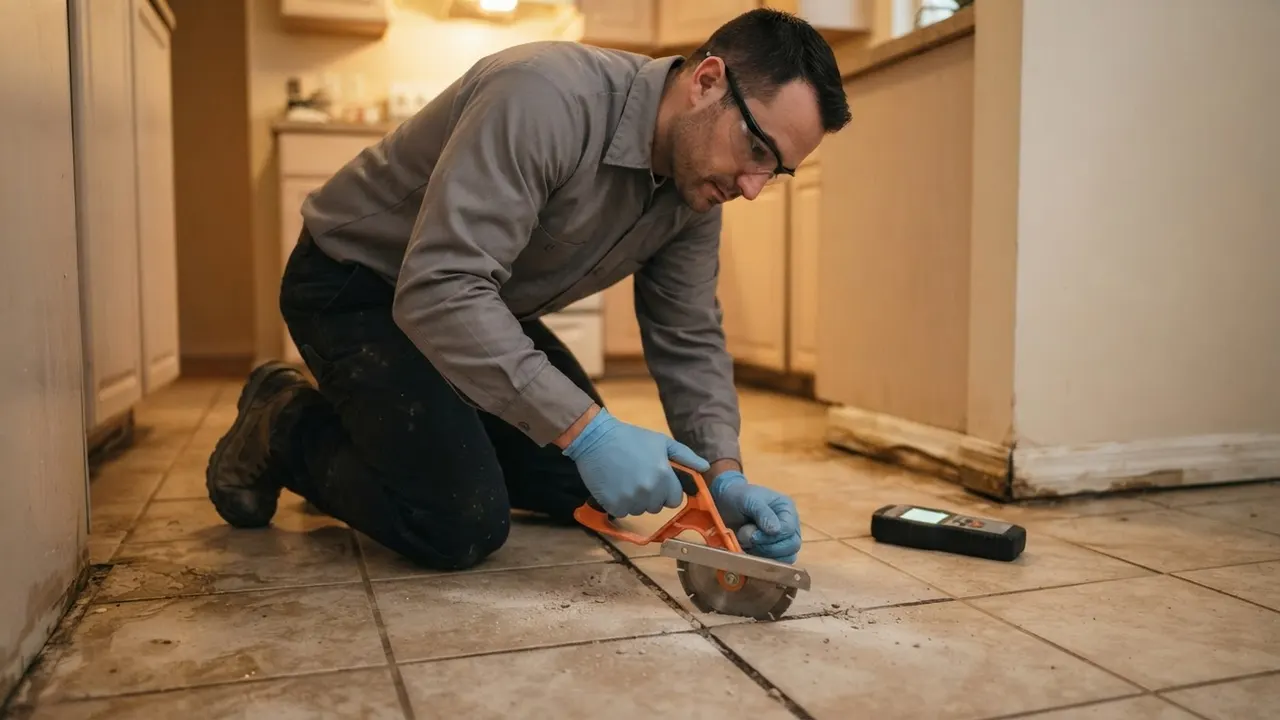
We locate and inventory affected contents, separate damp items from dry belongings, and check surrounding conditions. Suitable items are cleaned and dried with a method appropriate to their material. We also coordinate with room drying so restored goods are not returned to a space that is still wet. Stored goods can hold moisture after the visible leak is fixed, allowing odors and material damage to continue while items sit in closets or garages.
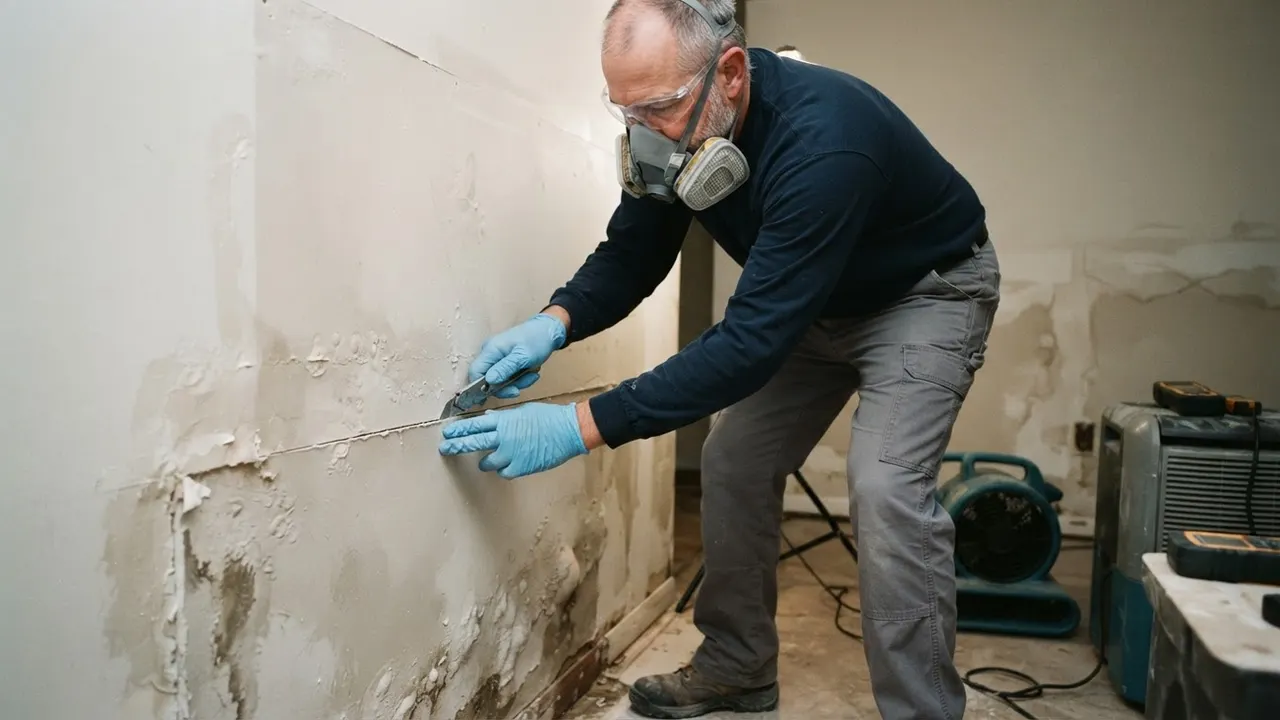
We identify the source before moving affected possessions through the property. The team separates items requiring disposal from those suitable for specialized cleaning and coordinates with sewage cleanup. You get clear item-level decisions rather than a blanket assumption that everything is salvageable. Porous fabrics and unfinished materials can retain contamination that surface wiping does not remove, creating an unsafe reason to keep using or storing them.
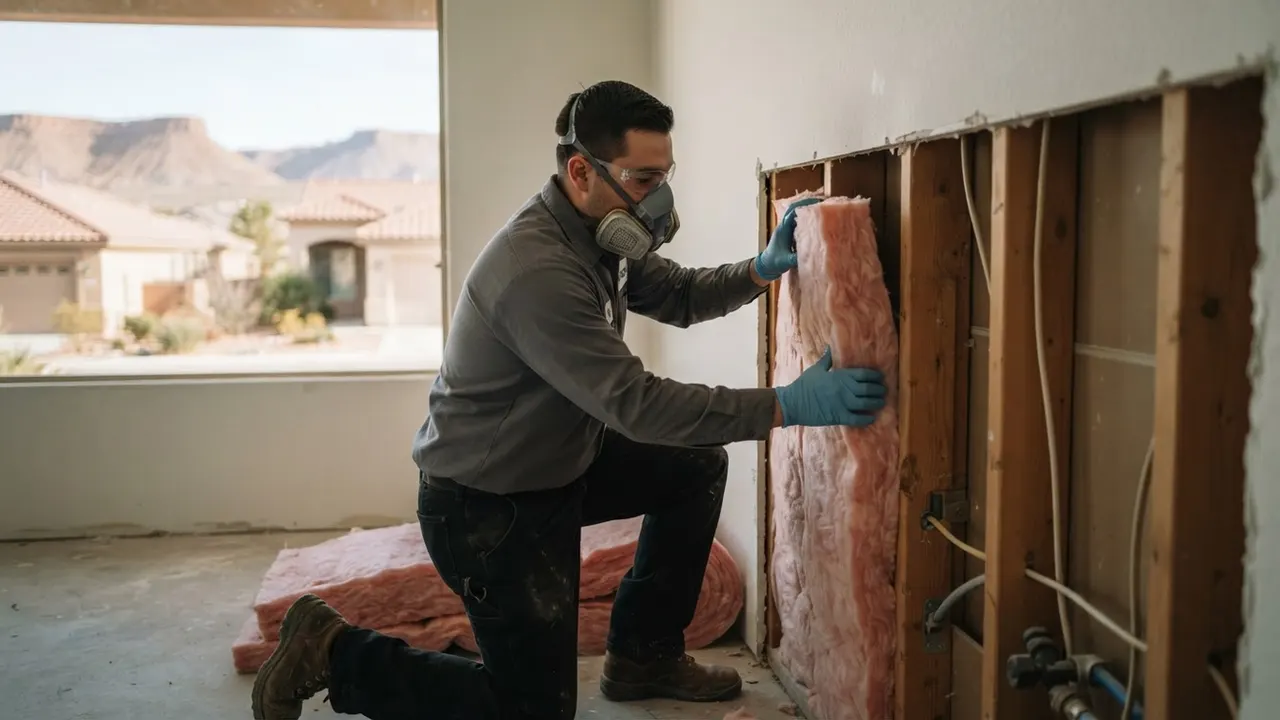
We inspect the affected furniture and surrounding room, then check humidity and moisture conditions. Cleaning, controlled drying, or odor treatment is selected according to the source and construction. If the odor points to a building moisture issue, we coordinate with structural drying before returning the furniture. Odor can signal trapped moisture or residue in upholstery, cushions, or nearby contents even after standing water has been removed from the floor.
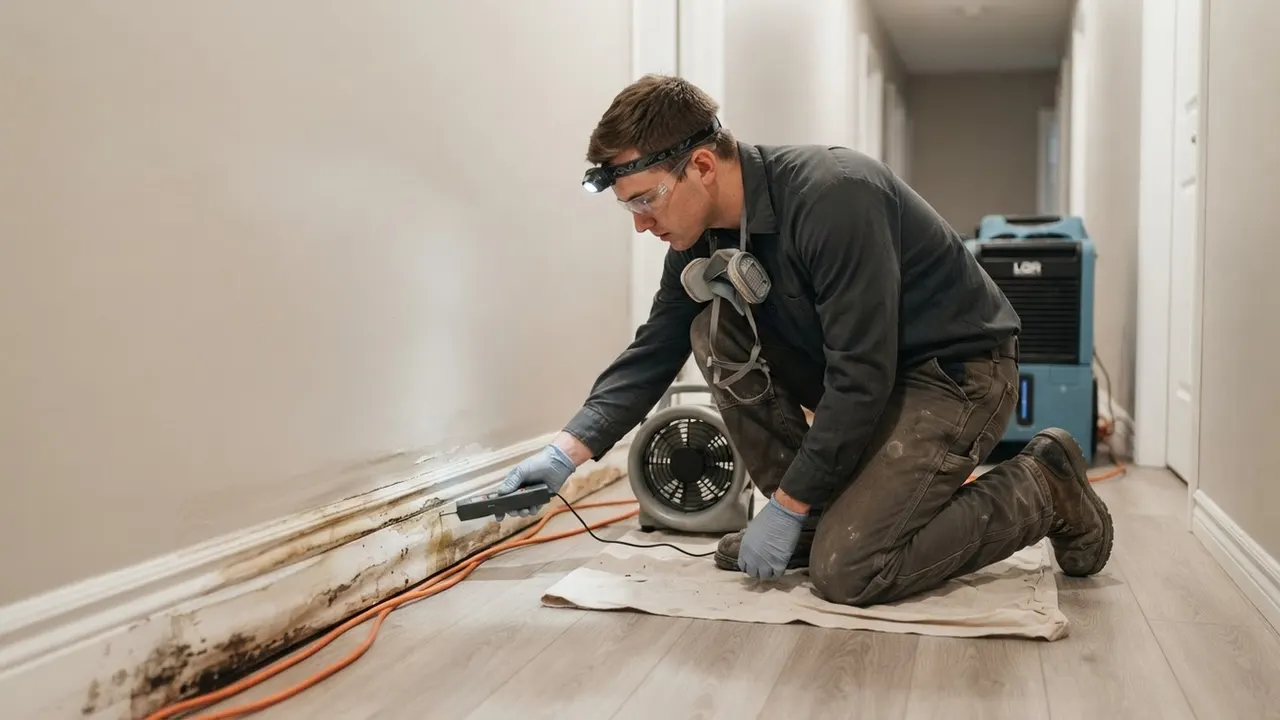
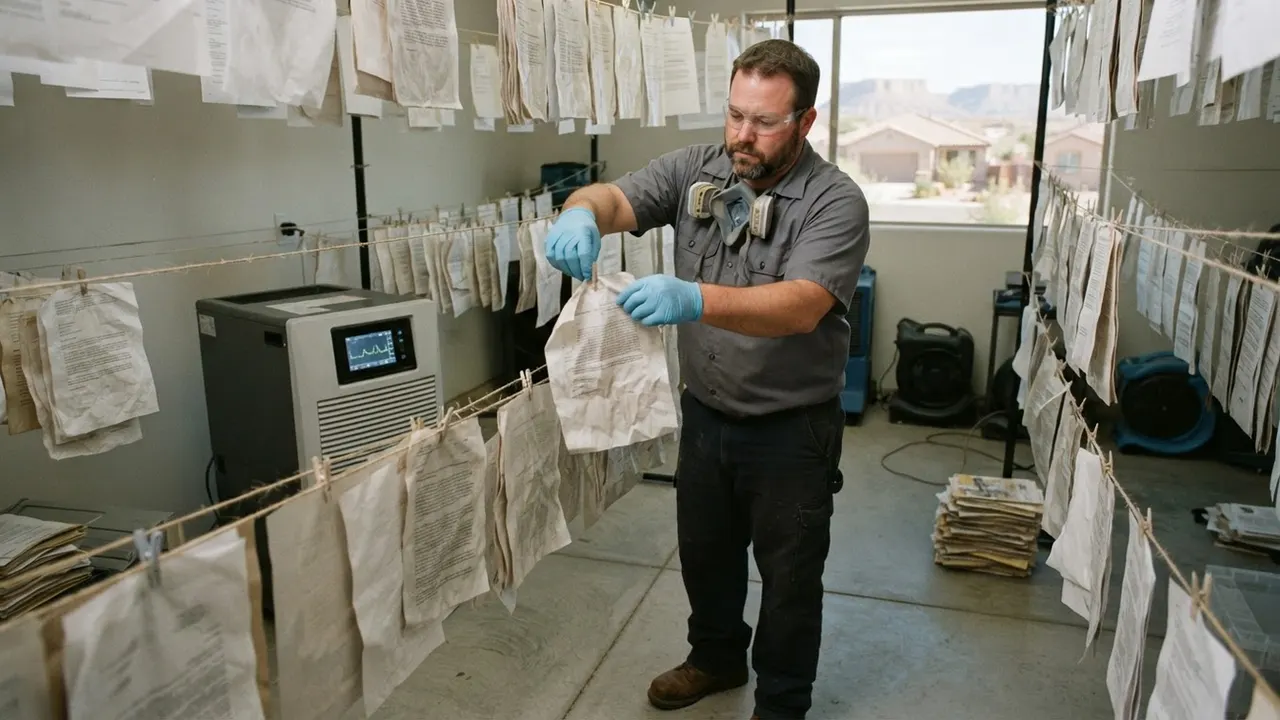
We separate and document delicate items early, keeping them out of routine contents cleaning. Paper records can be directed to document drying and restoration, while other keepsakes receive a material-specific assessment. You can prioritize essential items so handling begins with what matters most. Paper, photographs, and sentimental objects can deteriorate quickly when left in a damp pile or handled without regard to their coatings and condition.
We sort belongings by material, exposure, and condition instead of treating every box or room alike. A solid wood table, a fabric chair, and a laminate cabinet need different handling. You receive a clear inventory of affected items and practical next steps, reducing unnecessary disposal and helping keep your recovery organized.
Prompt separation and controlled drying limit prolonged dampness that can distort wood, weaken adhesives, or leave odors in fabrics. We use air movement and dehumidification where appropriate, then check readings rather than guessing from touch. Your belongings are handled in a way that supports the broader drying plan for the property.
Photos, item descriptions, and condition notes create a useful record of the loss. Our team can organize contents documentation for your review and coordinate information with your adjuster. Clear records help distinguish cleaning, specialty treatment, and replacement decisions without promising a particular insurance outcome.
Cleaned items should not go back into a damp room. We coordinate contents handling with room drying and identify when a space is ready for return. That sequencing reduces the risk of bringing residual moisture or odor back into a cabinet, closet, or living area.
Clear records you can keep and share.
Photos and condition notes organized by affected area.
Cleaning and drying steps matched to contents.
Clear direction for staging cleaned belongings.
Contents cleaning treats belongings; structural drying addresses moisture in the building. Coordinating both matters because clean items should not return to a damp room.
A sealed surface and a padded chair do not dry alike. We choose handling according to construction, exposure, and condition.
A supply-line leak and sewage backup create different cleaning decisions. We identify the source before sorting affected goods.
A dry surface can conceal moisture inside padding or joints. Readings and room conditions help guide return timing.
Outside these neighborhoods? Call and ask about service in your area. (833) 546-4116
Content cleaning in Mesquite commonly varies for limited household contents; larger inventories or specialty treatment cost more. Price depends on item count, contamination, material, handling, and drying time. We review the affected belongings and explain the cost before proceeding. Cleaning and structural repairs are separate work categories, and insurance coverage depends on your policy and claim decision.
Yes, many belongings can be restored when the water source, material, and exposure time allow safe cleaning. Solid furniture and washable hard goods often respond differently from saturated upholstery, particleboard, or sewage-exposed items. We inspect condition, document damage, and sort possessions into cleanable, specialist-review, and discard groups. Early separation helps, but no method can guarantee recovery of every item.
Some policies cover contents cleaning after a covered water-loss event, but the policy and adjuster determine eligibility. We document affected items with photos and descriptions so you have organized information for your claim. Keep receipts for urgent purchases and avoid discarding damaged belongings before documenting them, unless they present a health risk. Mesquite Water Damage Company does not decide coverage or promise reimbursement.
We inventory and separate belongings, identify the water category, select material-appropriate cleaning, and monitor drying before items return. For content cleaning after water damage Mesquite NV, the sequence may include surface cleaning, controlled airflow, dehumidification, and specialist referral for documents or delicate goods. Sewage exposure changes handling and salvage decisions. We also coordinate contents work with room drying to avoid returning items to damp conditions.
Tell us what happened, which rooms are affected, and whether the water source is still active. Our team will help you plan contents assessment and next steps. Call Mesquite Water Damage Company at (833) 546-4116 for a direct conversation about your belongings.
Call (833) 546-4116 to explain what happened and where water is collecting. We take calls for water damage requests and connect you with an independent company that can discuss service details directly. If the leak is active, shut off the source when safe and tell us whether the water reached electrical equipment, flooring, or more than one room.