Moisture Record
Readings from affected materials and follow-up checks.
When flood damage cleanup Mesquite NV is needed, we help homeowners, renters, and property managers stop water from spreading and get affected rooms drying. Our flood restoration work starts with locating the water, assessing wet materials, and extracting standing water. Call Mesquite Water Damage Company at (833) 546-4116 after storm flooding, a burst pipe, or an appliance leak; prompt removal helps limit damage to flooring, walls, and contents.
Flood damage cleanup covers assessment, water extraction, moisture checks, drying equipment, and monitoring of affected areas. We explain what we find and identify materials that need cleaning, removal, or repair. Reconstruction, plumbing repairs, mold remediation, and specialty contents work are related services that depend on the damage and water source. Your cleanup plan focuses on the conditions in your property and the steps needed to make the affected space ready for repair.
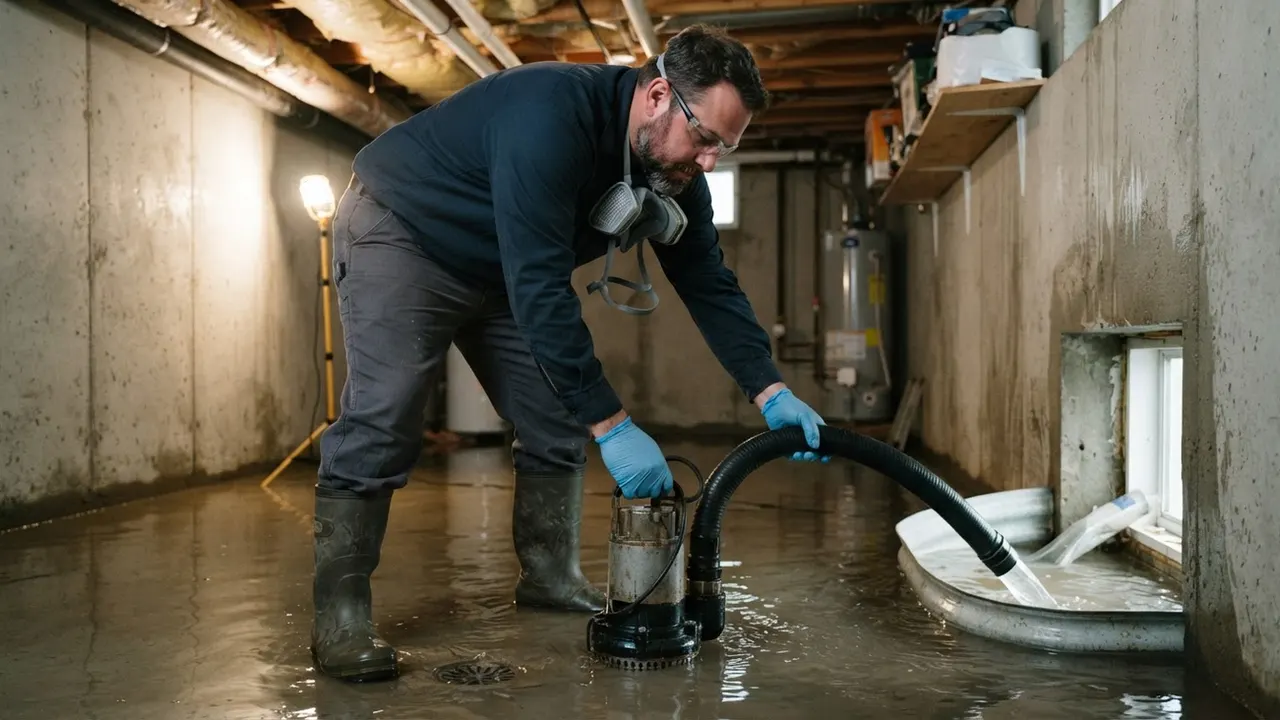
We help homeowners and tenants remove water, protect belongings, and understand what needs drying or repair. You get practical updates as affected rooms are measured and equipment is adjusted.
We coordinate cleanup around affected work areas, access routes, and contents that need protection. Property managers receive clear information about water removal, drying progress, and repair priorities.
flood damage cleanup Mesquite NV is a water-removal and structural-drying service that addresses standing water, wet building materials, and moisture left after a flood or plumbing failure. We inspect the affected rooms, identify the likely water source, extract water, and measure moisture in materials such as drywall, carpet padding, and baseboards. A moisture meter and thermal imaging camera help us locate wet areas that are not obvious by sight. We then set drying equipment and track readings so you can see what has dried and what still needs attention.
Mesquite homes can take on water after storm flooding, a roof leak, a slab leak, or a failed supply line. In Clark County, fast surface drying does not prove that moisture has left wall cavities or flooring layers. Our flood restoration Mesquite NV service checks those hidden spaces and addresses the source-related damage. If you are searching for flood damage cleanup Mesquite NV near me, call us with the room count, water source, and how long the water has been present.
Remove standing water, measure what remains, and dry materials before repairs close the structure.
Flood damage cleanup Mesquite NV follows a practical sequence: stop the water source, assess the affected structure, extract water, dry and monitor materials, then prepare for repairs. We explain what is happening as the work progresses. The first visit focuses on safety and containment; subsequent checks document whether moisture is moving in the right direction.
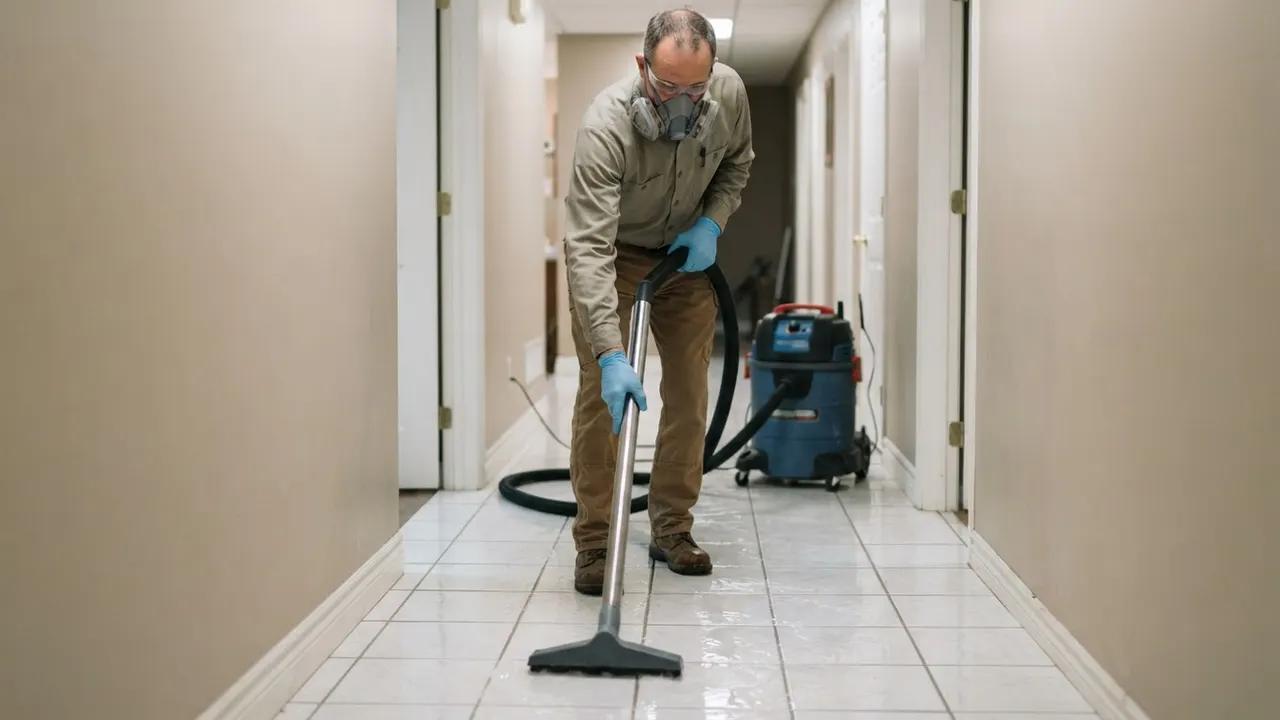
We begin by identifying the water source, affected rooms, and immediate safety concerns. You show us where water entered and when it started; we check visible surfaces and use a moisture meter to map damp areas. An initial assessment often takes 30 to 90 minutes, depending on access and the size of the affected space. We also note contents that need protection or relocation.
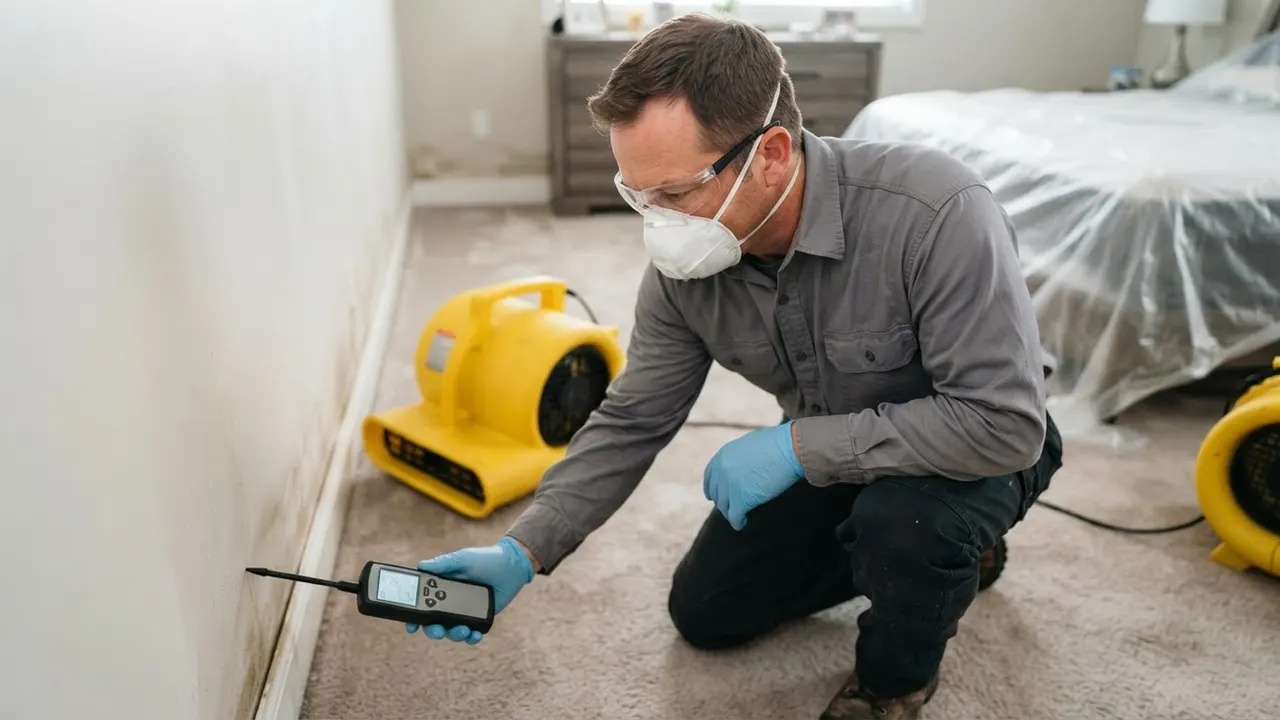
After the source is controlled, we remove accessible water with extraction equipment and collect wet debris as needed. Carpet may require lifting to inspect padding, while hard flooring is checked at edges and transitions. The extraction stage can take a few hours for a contained room or longer when water has crossed multiple rooms. We keep walkways clear and protect unaffected areas.
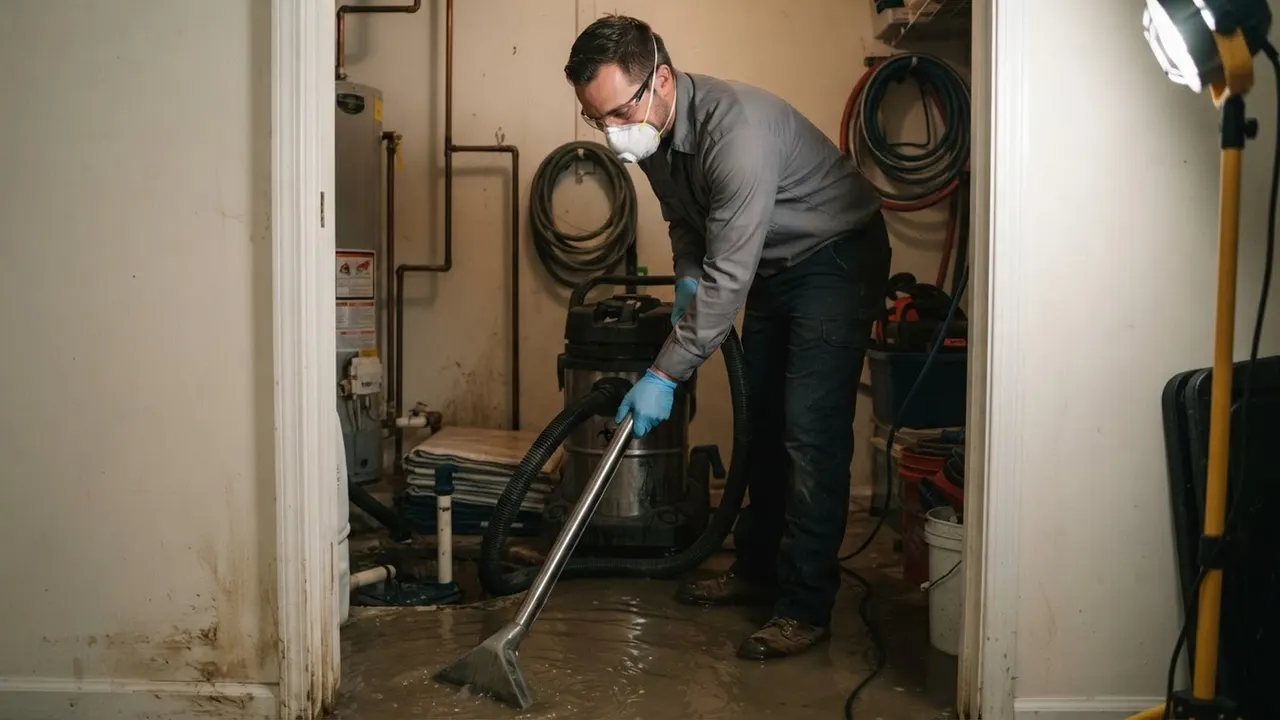
We position air movers to circulate air across wet surfaces and use a dehumidifier to remove moisture from the room. Equipment placement depends on material type, room shape, and measured conditions, not a fixed template. We explain normal operating sounds and access needs before leaving equipment in place, then set a schedule for moisture checks and adjustments.
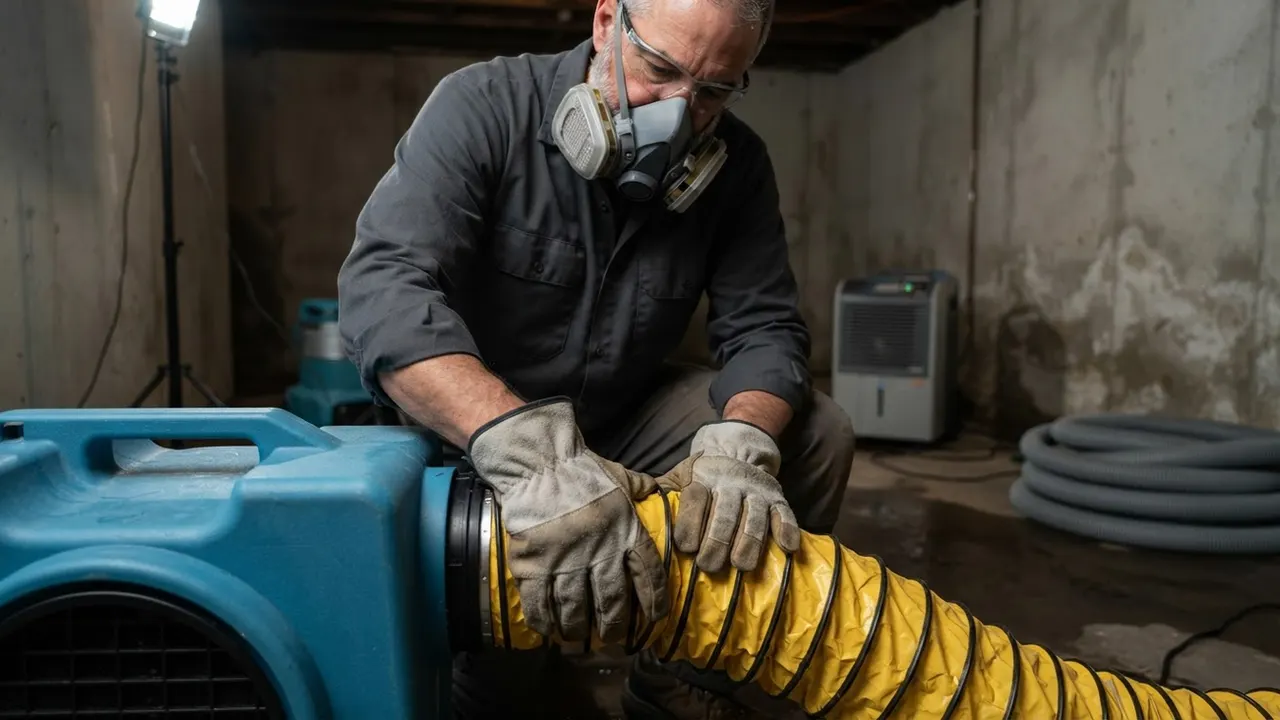
We return to take moisture readings, check equipment operation, and adjust airflow or dehumidification as conditions change. Many residential drying jobs take about three to five days, but saturated assemblies or hidden leaks can extend that period. You receive updates about measured progress and any material that needs removal to allow the structure to dry.
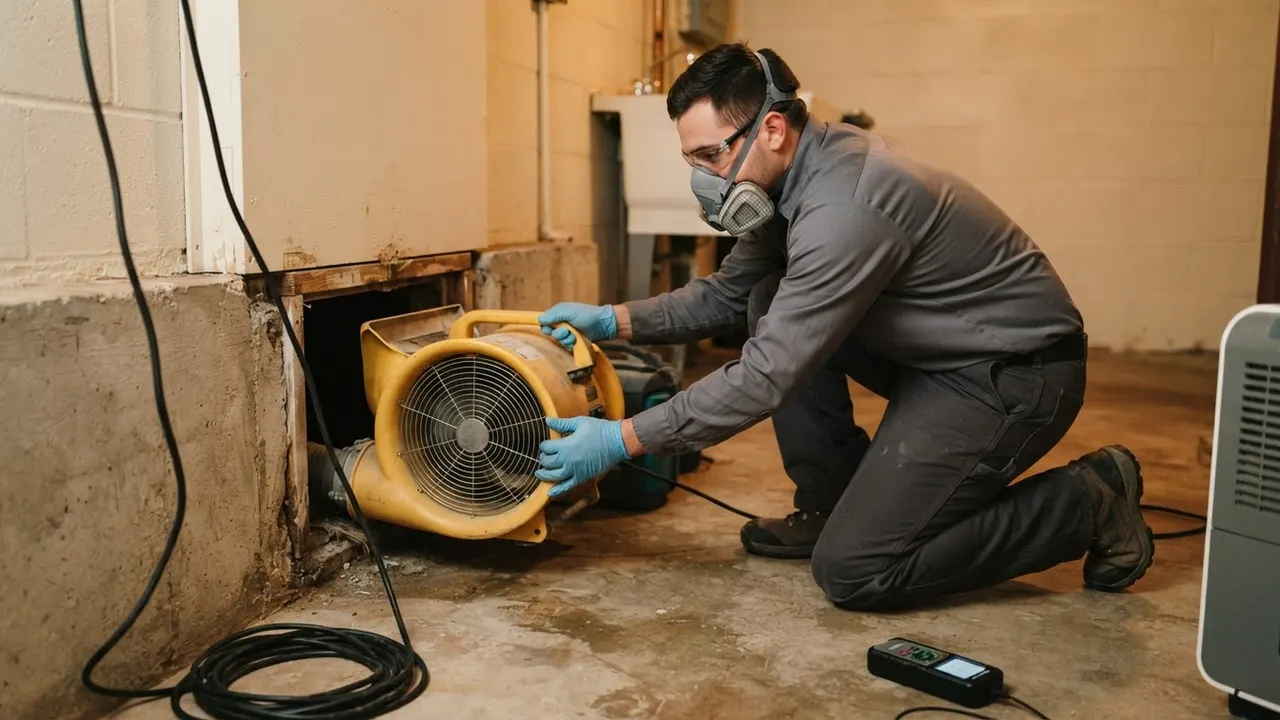
When drying goals are met, we document the affected areas and discuss the next repair steps, such as replacing drywall, insulation, or flooring. We coordinate related services where needed, including mold inspection or odor treatment. You can use the damage documentation to discuss the loss with your insurer and plan restoration without relying on appearance alone.
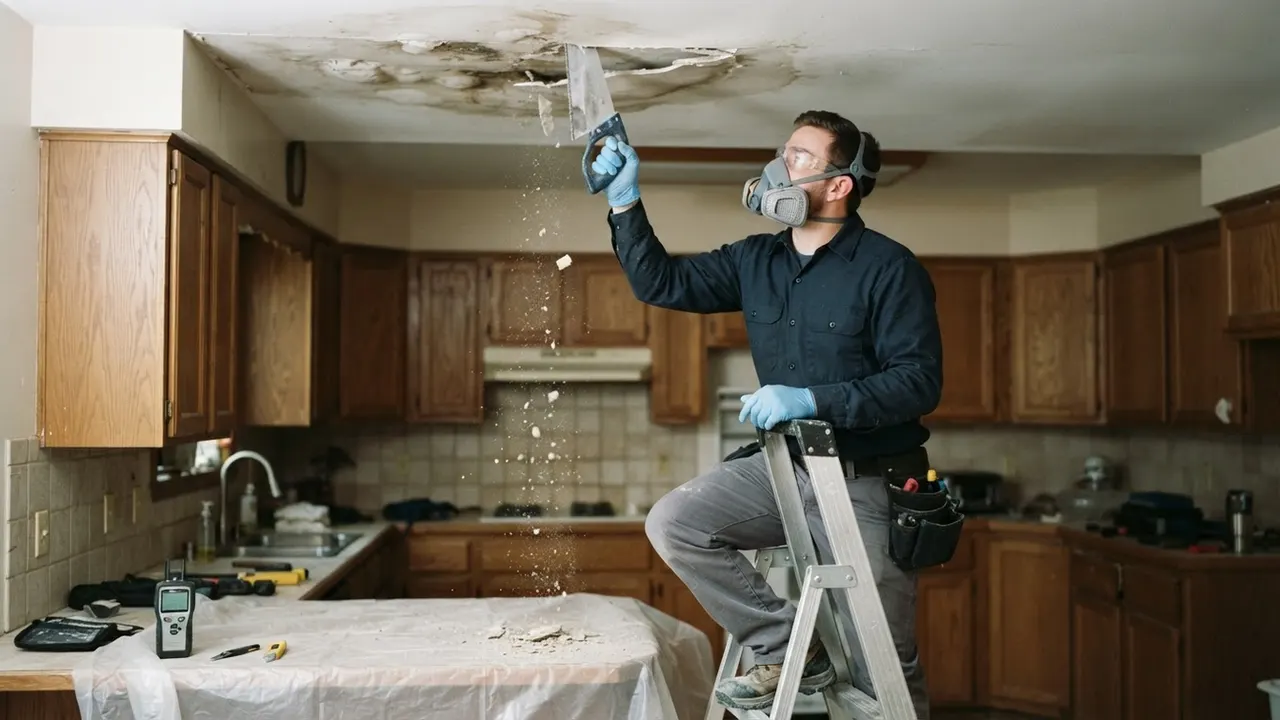
Measures moisture in accessible building materials, helping us compare wet areas with unaffected reference points and track drying progress.
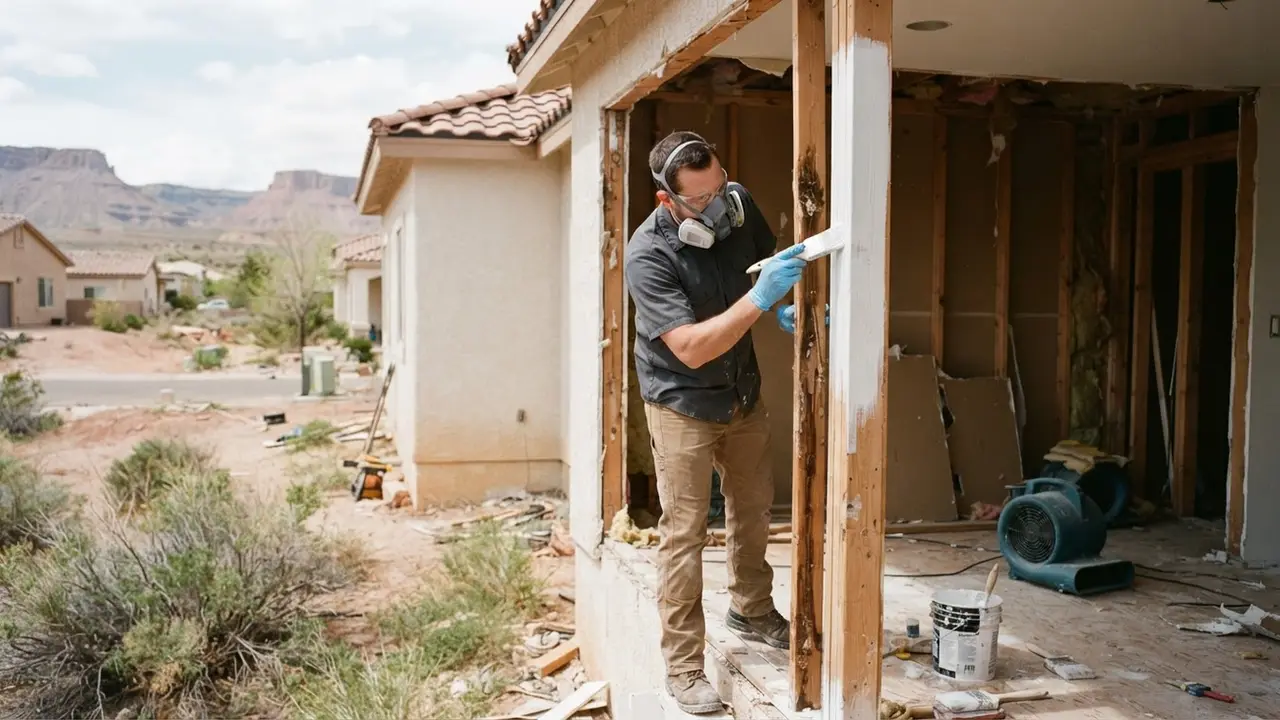
Highlights temperature patterns that can guide inspection toward possible damp areas; we verify findings with direct moisture measurements.
Circulates air across wet surfaces to support evaporation after extraction, with placement adjusted to room layout and material conditions.
Removes moisture from indoor air as wet materials release it, supporting controlled structural drying.
Pulls standing water from floors and other accessible surfaces before the drying phase begins.
Tracks room humidity so we can assess drying conditions and adjust dehumidification when readings show it is needed.
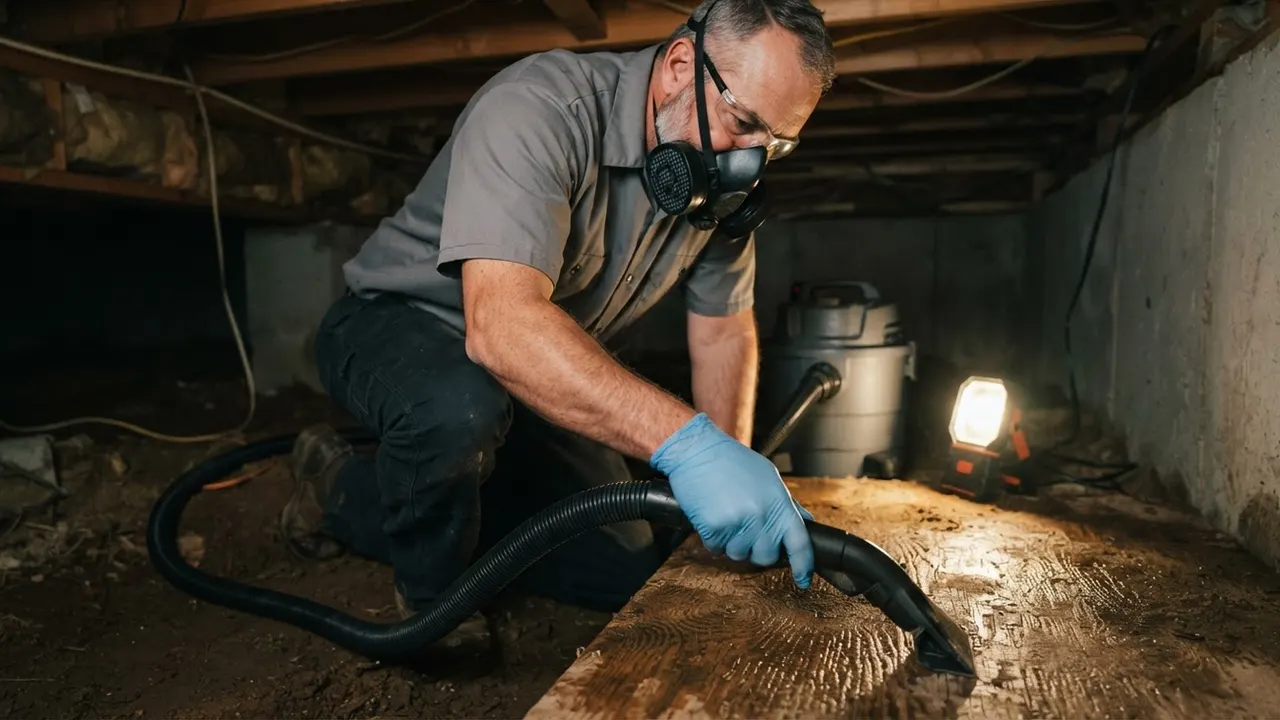
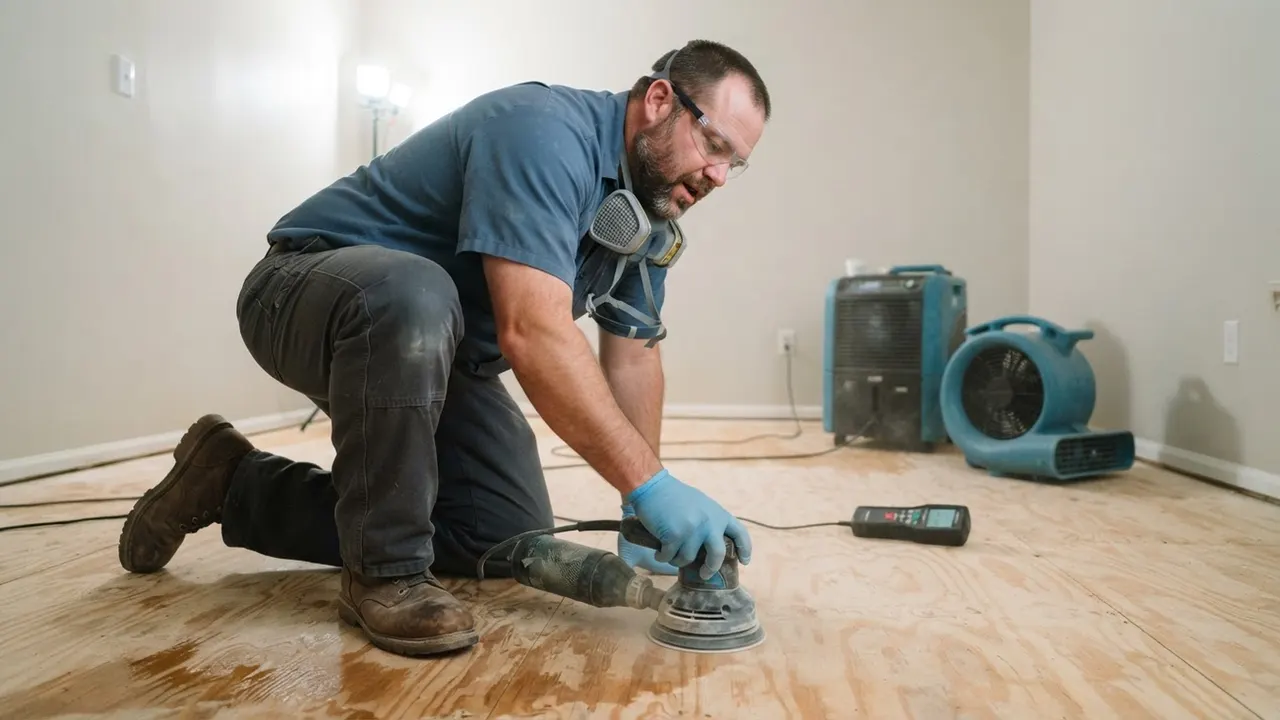
We record affected materials and compare readings across the room, including edges and adjoining spaces. That map helps distinguish visible staining from the broader area that needs drying. Follow-up readings show whether moisture is decreasing and whether equipment should be moved or the assessment expanded.
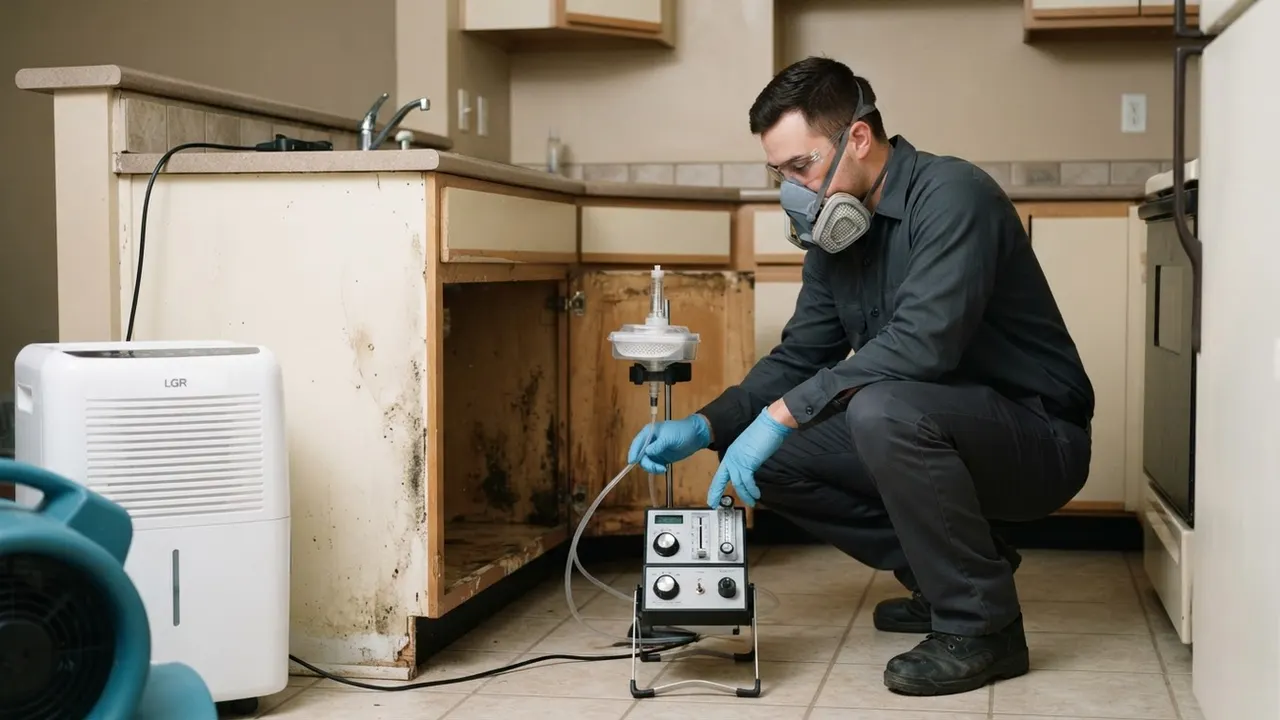
After extraction, we use air movement and dehumidification to help wet materials release moisture. Equipment placement follows the room geometry and the materials involved. We monitor conditions during the process and explain why a wall, floor, or ceiling assembly needs additional drying or selective removal.
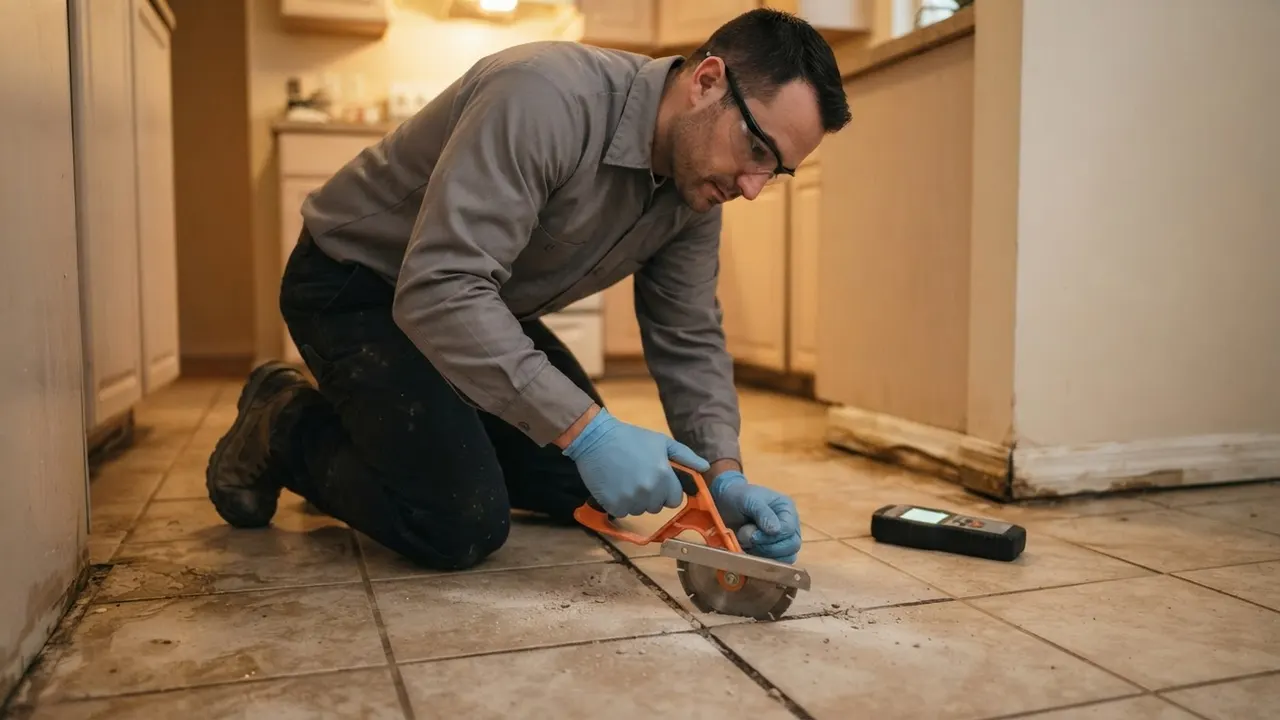
We remove standing water, check floor transitions and baseboards, and assess whether moisture has traveled under the flooring. Our team then sets drying equipment based on readings and checks progress so you know whether the affected assembly is drying or needs repair. Water is removed, damp materials are identified, and the next repair decisions are based on measured conditions rather than surface appearance.
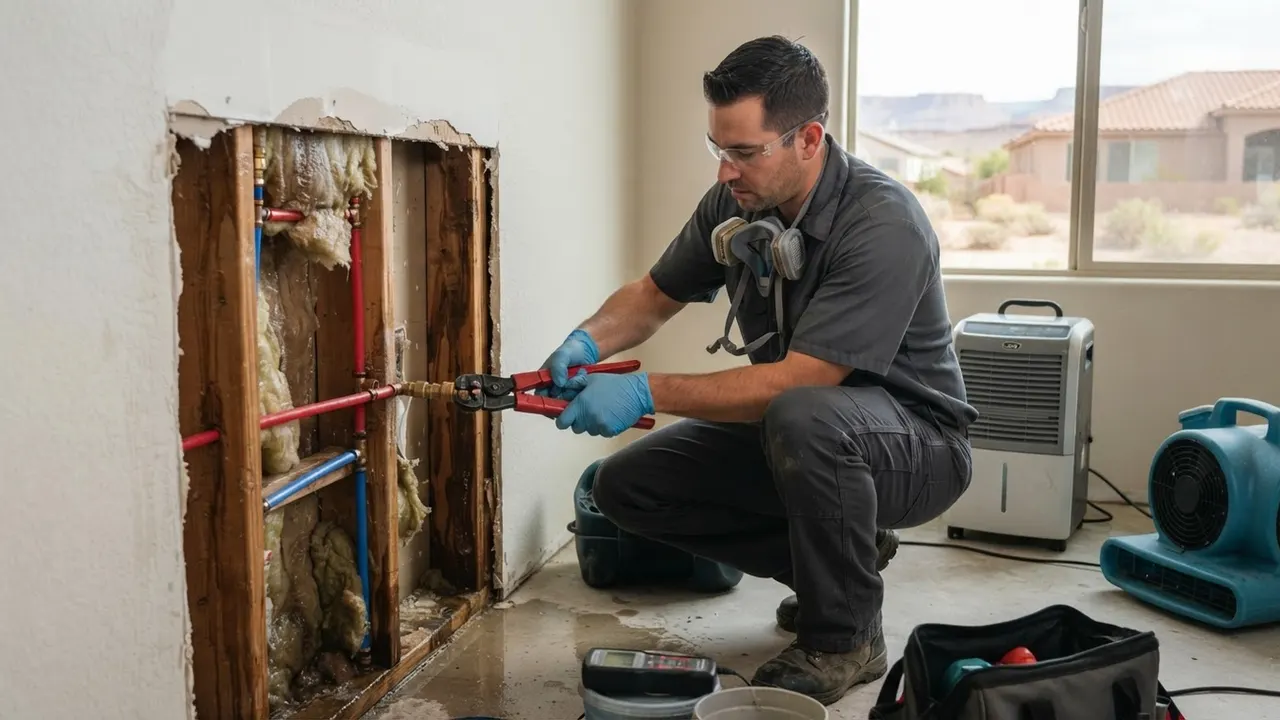
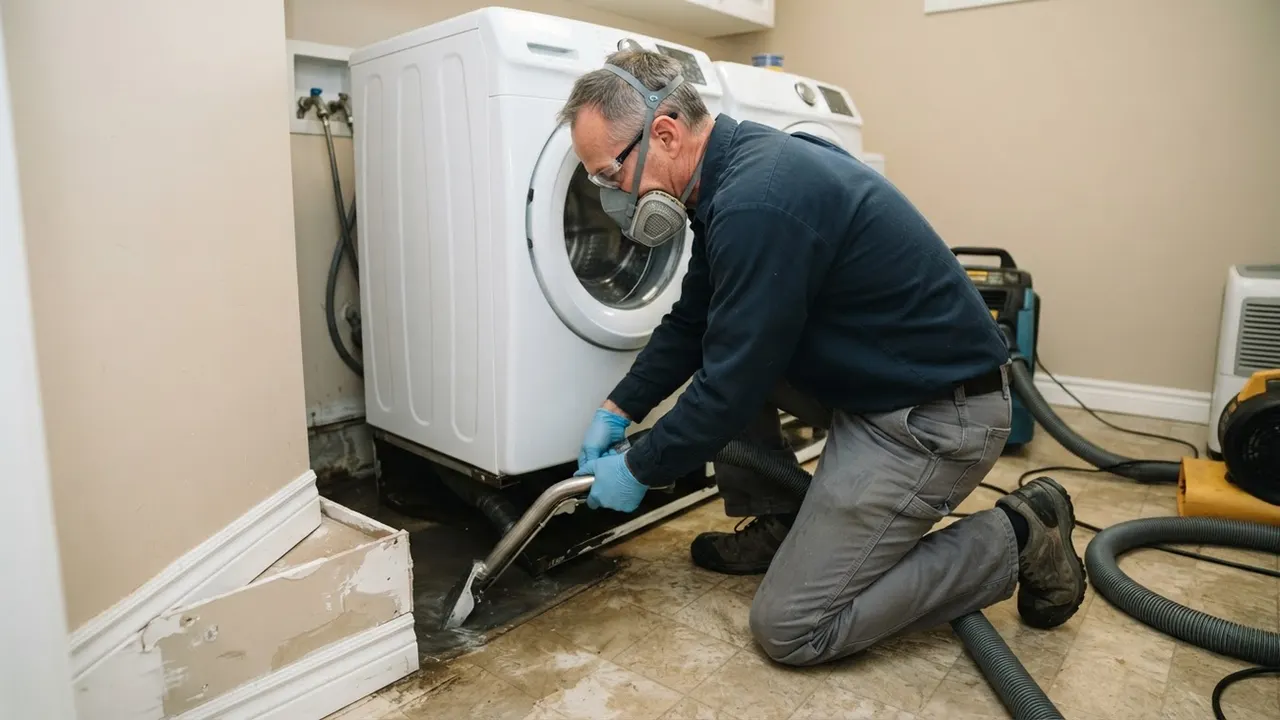
After the plumbing source is controlled, we extract water and inspect cabinet bases, wall edges, and flooring. We map the affected area, protect nearby contents, and use drying equipment where materials can be retained. You receive updates as follow-up readings show changes. The cleanup addresses both the visible water and moisture that could remain behind cabinets or beneath floor coverings.
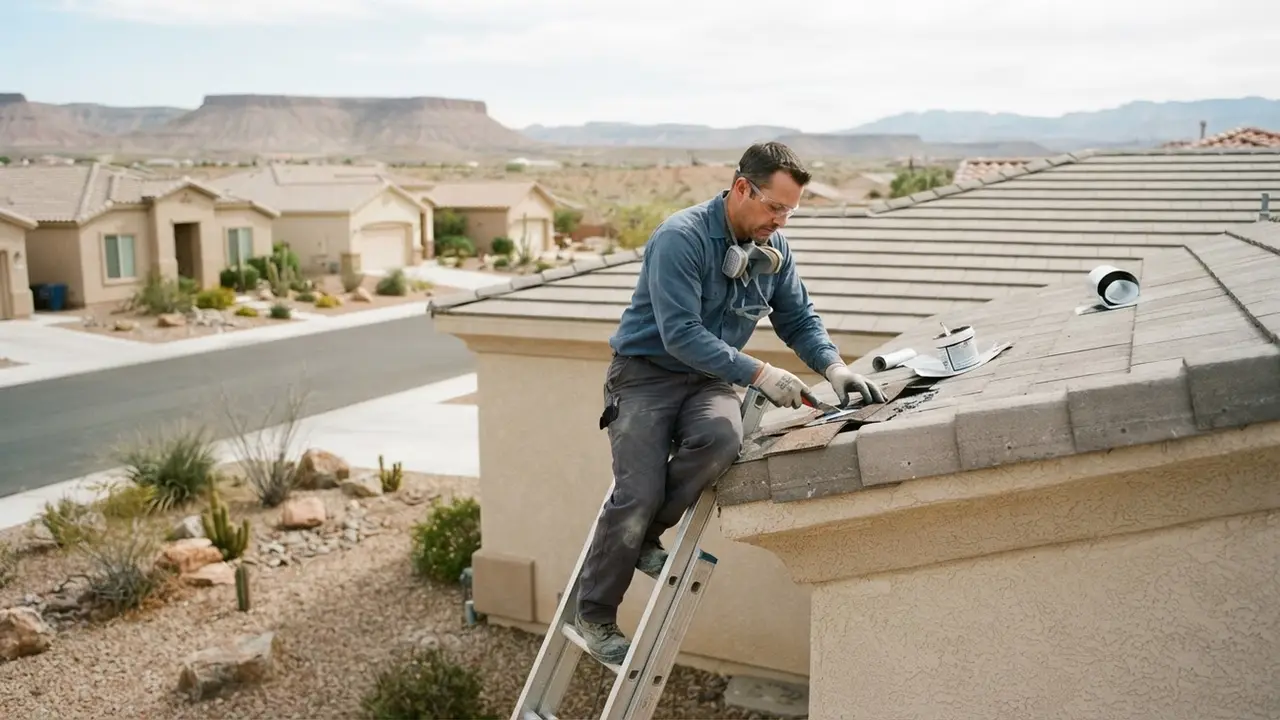
We assess the ceiling, surrounding wall, and carpeted area to trace how far water traveled. We extract water from the floor, check padding, and identify whether ceiling materials or insulation need removal before repair. Temporary roof protection can be coordinated when needed. The wet area is contained and documented, with a repair path that accounts for both the roof entry and interior materials.
We remove pooled water, inspect the floor and adjoining room, and check lower wall materials for moisture. Carpet or padding is assessed separately from hard flooring because each material holds water differently. We then position equipment and monitor the drying process. You get a clear assessment of affected rooms and a drying plan that reflects the leak duration and materials involved.
Flood damage cleanup Mesquite NV requires attention to both the water source and how the building is assembled. Mesquite properties face intense summer heat, seasonal storms, and occasional winter freezes that can contribute to roof leaks, storm entry, or burst pipes. Hot outdoor air does not dry a closed wall cavity by itself; we measure indoor conditions and materials before deciding how to use equipment. Our flood cleanup services Mesquite team checks flooring transitions, cabinet bases, and lower wall sections where water often collects. For emergency flood restoration in Mesquite, Nevada, tell us whether the water came from outside, a plumbing line, or a backup, and how long it was present. We serve addresses in Clark County, including ZIP codes 89027, 89034, and 89024. Our process accounts for the property's access, affected rooms, water quality, and materials, then tracks drying with repeat readings. When a loss follows a storm, we also consider whether the entry point needs temporary protection before interior drying can hold.
A failed appliance connection left water across the kitchen and into the hallway. The floor looked mostly dry after towels were used, but the cabinet toe-kick and carpet edge remained damp. Without checking beneath the visible surface, the household could not tell whether the flooring assembly was ready for repair or still holding moisture.
We extracted remaining water, checked the cabinet base and adjoining flooring, and set drying equipment based on moisture readings. Follow-up measurements over four days showed the affected areas moving toward dry reference conditions. The owner had a documented view of the work and a clear repair handoff for the damaged finish materials.
Check appliance hoses and connections during routine cleaning, and close the supply valve if a line begins leaking. After any spill that reaches flooring edges, inspect adjacent rooms and call for assessment if dampness remains.
Wind-driven rain entered at a roof opening and stained a bedroom ceiling. Water reached the carpet and left the room smelling damp, although the leak had stopped. The ceiling surface did not show the full extent of wet insulation and nearby wall moisture, so repairs could not safely start based on the stain alone.
We assessed the ceiling and wall edges, extracted water from the carpeted area, and identified materials requiring attention. Drying equipment ran while moisture readings were monitored over five days. The affected ceiling assembly was then ready for the appropriate repair work, with the water entry and interior impact documented.
After storms, look for new ceiling stains, peeling paint, or damp carpet near exterior walls. Arrange roof repairs and check the interior again after the next rainfall to catch continued entry early.
A burst pipe released water into a hallway and two adjoining rooms before the source was shut off. Water collected at baseboards and beneath a floor transition, while belongings sat close to the wet area. The homeowner needed extraction and a reliable assessment of which materials could be retained.
We removed standing water, moved affected contents, and measured moisture in lower walls and flooring edges. Air movers and dehumidification supported drying, with checks over four days guiding adjustments. The homeowner received a room-by-room explanation of affected materials and the next repair steps.
Know where the main water shutoff is and keep access clear. If a pipe leaks, shut off water when safe, keep people away from electrical hazards, and report which rooms became wet.
Floodwater can leave more than a visible puddle: it can soak padding, swell wood, and remain inside walls. Flood cleanup after storm Mesquite NV begins with water removal and a check of affected materials. We address the immediate mess while identifying concealed moisture that could delay repairs or contribute to odor and mold growth.
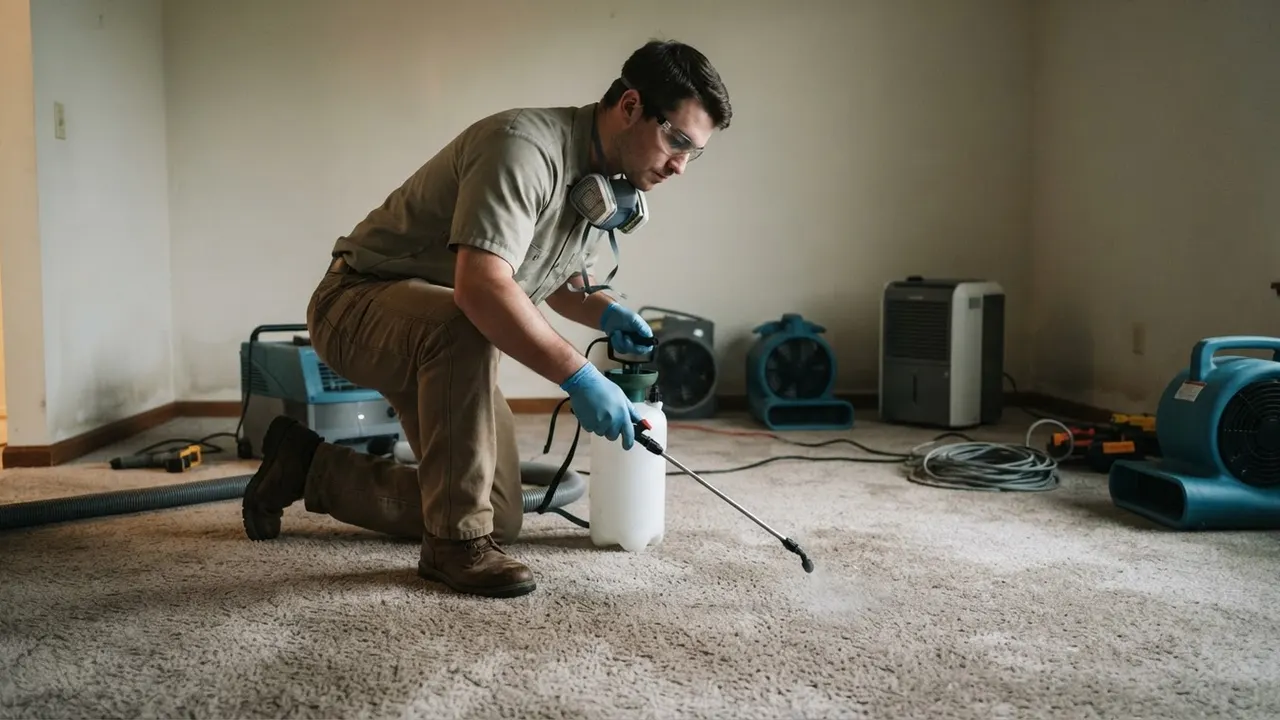
We extract surface water, inspect carpet edges and padding, and measure nearby materials. If the assembly is suitable for drying, we set equipment and check readings over time. If water quality or material condition makes drying inappropriate, we explain what needs removal and coordinate the next repair step. Wet padding can hold water after the carpet surface appears dry, while moisture may move through doorways and affect baseboards or nearby flooring.
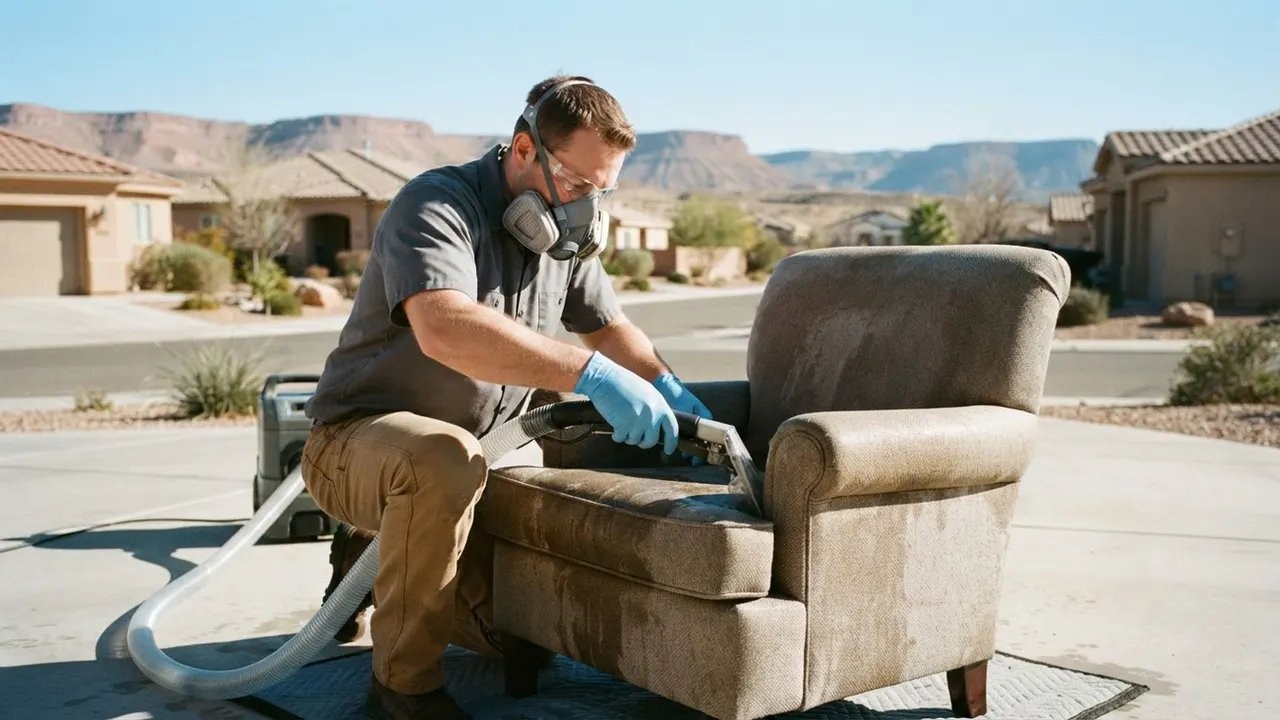
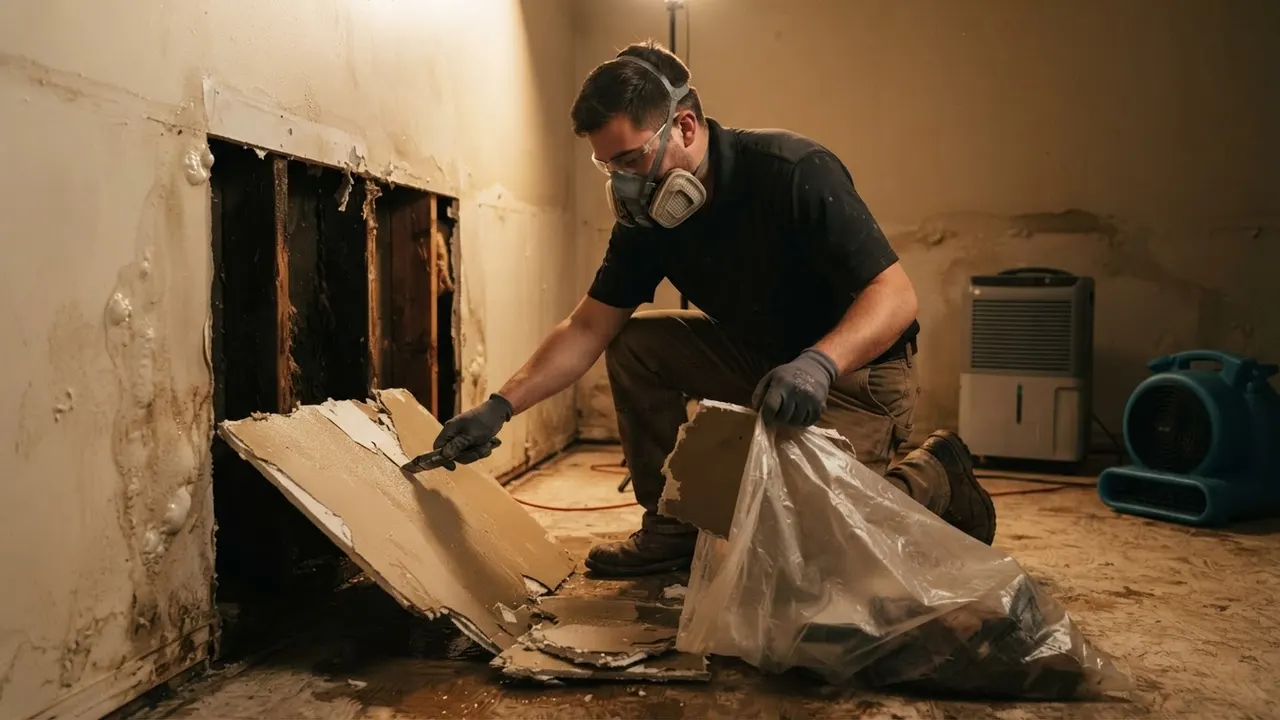
We assess the ceiling and adjacent wall areas, identify the likely wet zone, and check whether insulation or drywall needs removal. We coordinate water extraction and drying after the source is controlled, then outline what must be repaired before the ceiling is closed again. Wet ceiling materials can sag, stain, or lose strength, and water can travel away from the original leak before appearing as a mark.
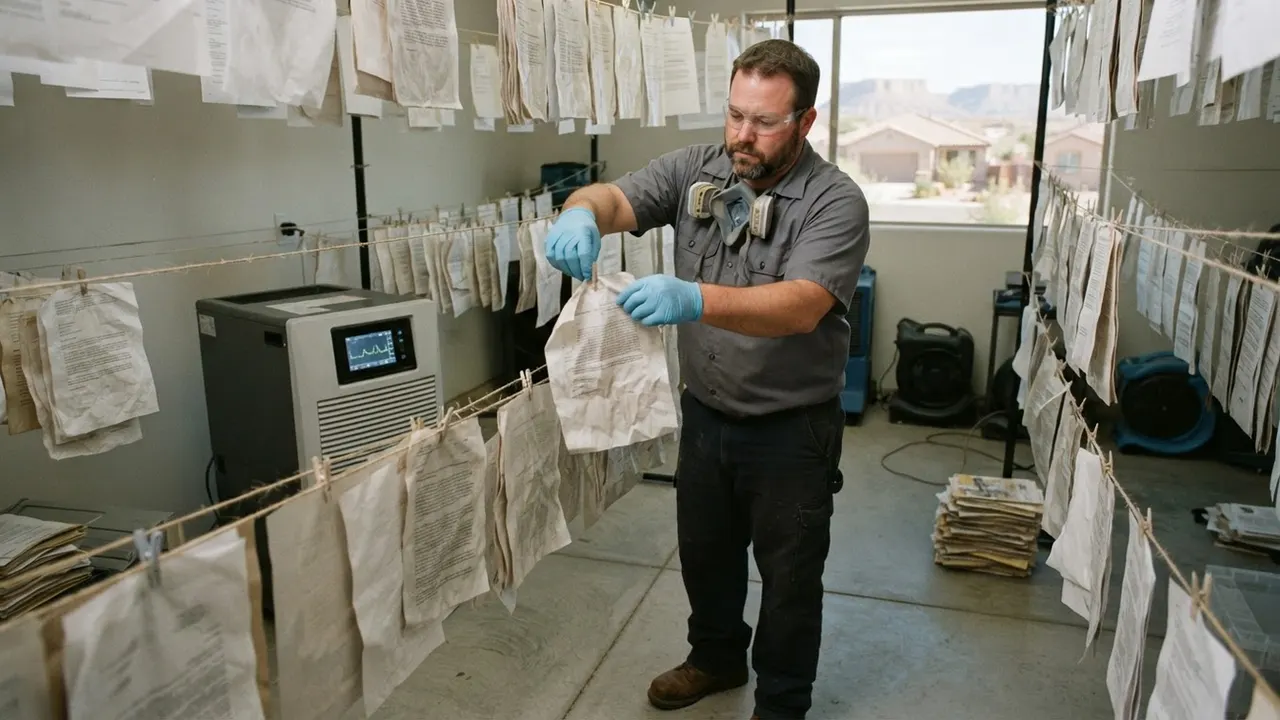
We locate damp materials with moisture readings, remove water, and dry or remove affected components as appropriate. Once the source of the odor is addressed, we discuss cleaning or deodorization for remaining affected contents and surfaces. Odor can remain when water is trapped in padding, wall cavities, or stored contents, making a cleaned room unpleasant and signaling unresolved moisture.
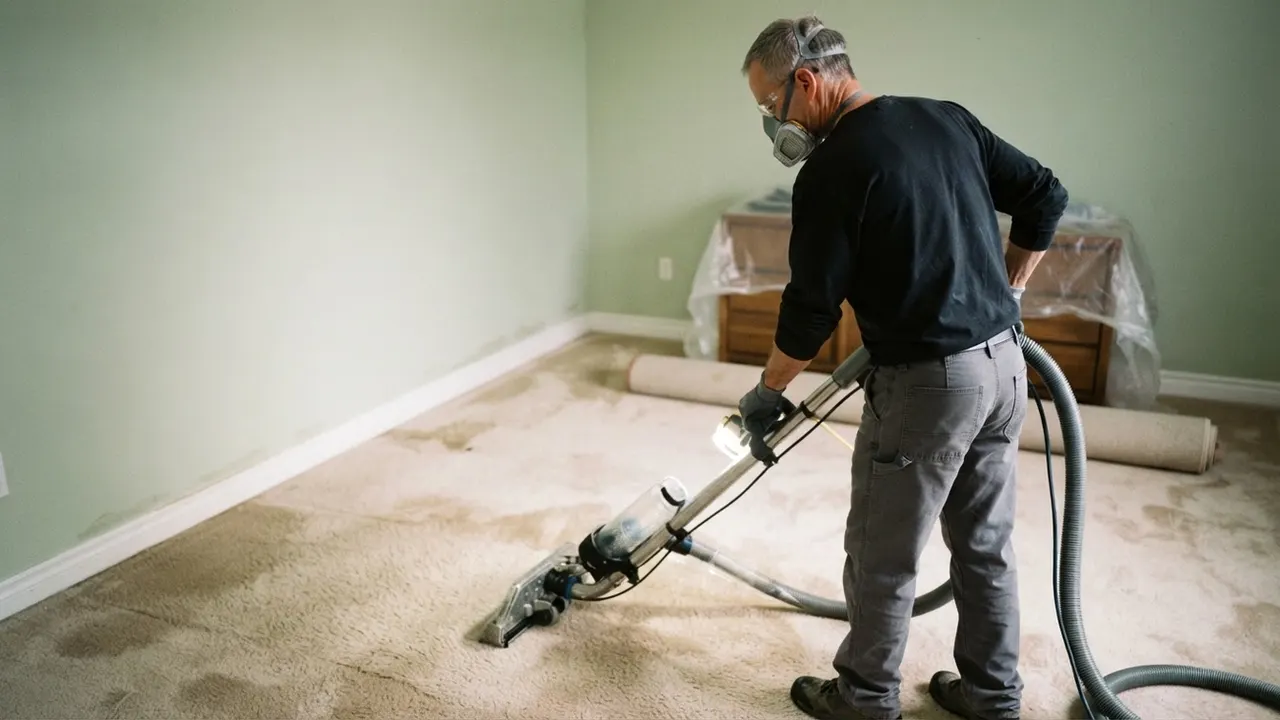
We isolate the affected space, remove contaminated water and debris, and assess porous materials for disposal. Cleanup and drying follow appropriate handling procedures for the conditions, with related remediation arranged when the assessment shows it is needed. Contaminated water can expose occupants and spread residue to porous materials, so ordinary household drying alone is not an appropriate response.
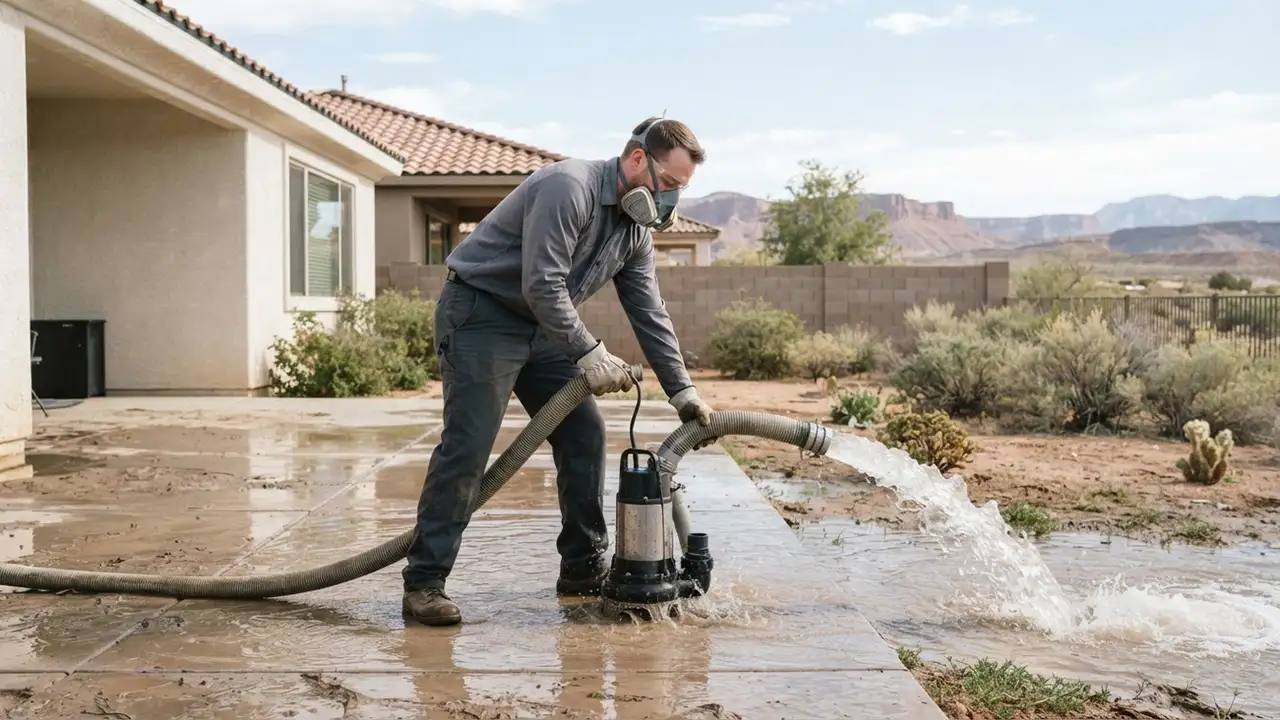
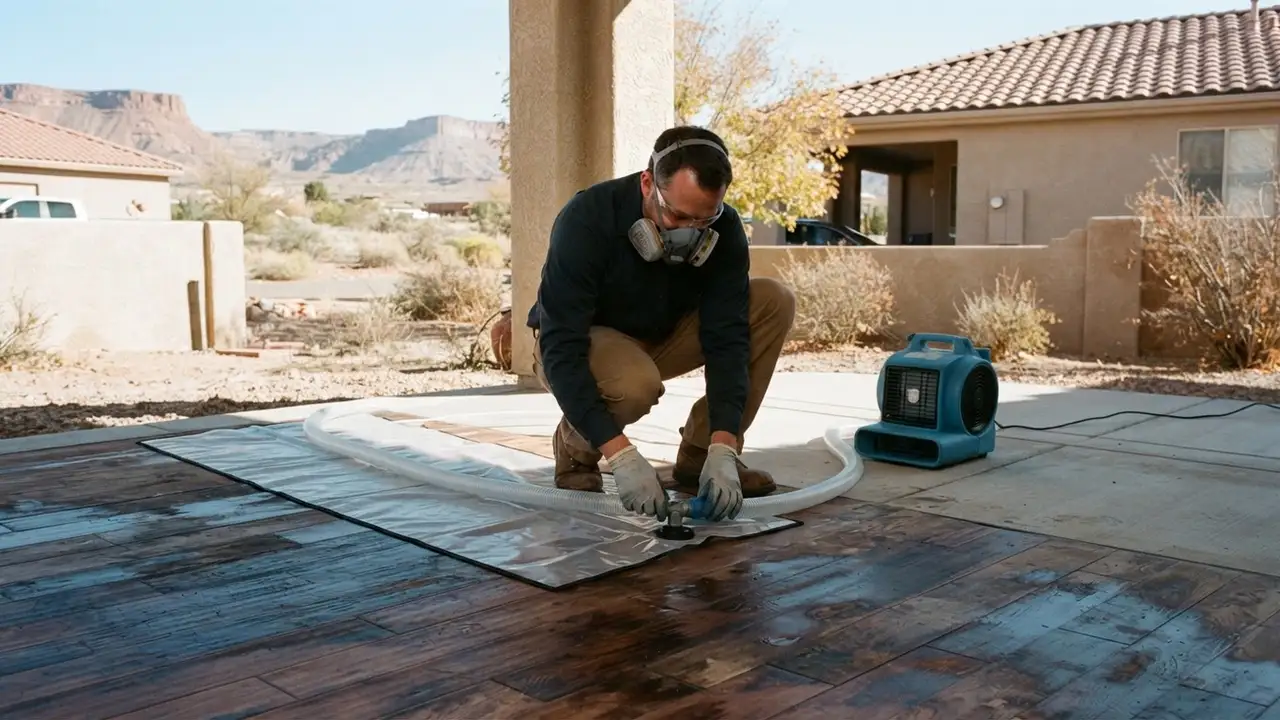
Standing water keeps moving into seams, padding, and lower wall sections. We use a water extraction unit to remove accessible water and reduce the load on drying equipment. For a flooded home cleanup Mesquite job, we record affected areas and separate salvageable contents from items that need cleaning or disposal.
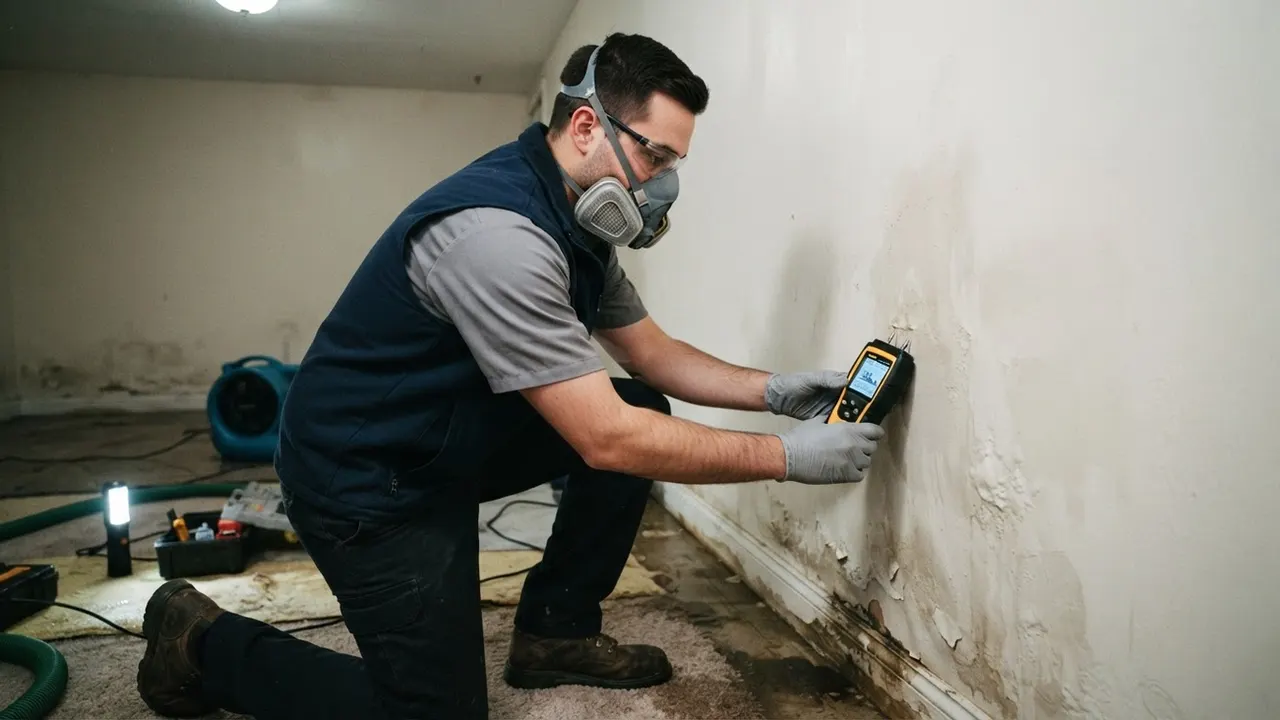
A room can look dry while moisture remains behind baseboards or beneath flooring. We use a moisture meter and thermal imaging camera to compare affected areas with dry reference points. You get a clearer picture of where drying is needed before repairs cover the surface again.
We place air movers and a dehumidifier to move moisture out of materials and into the air for collection. Readings guide equipment adjustments; the target is not an arbitrary number of days. You can follow documented changes in moisture and ask what each reading means.
Once water is removed and the structure is assessed, we explain which materials can be dried and which need replacement. That distinction helps avoid unnecessary demolition while preventing wet insulation or swollen drywall from being closed behind a finished surface. Your repair plan follows observed conditions.
Clear records you can keep and share.
Readings from affected materials and follow-up checks.
Room-by-room notes on observed water impact.
Equipment status and measured progress explained.
A floor or wall can feel dry while moisture remains in padding, insulation, or a cavity. We check materials directly and compare readings over time before discussing repair readiness.
Water often collects at baseboards and transitions. We inspect these areas because they can reveal spread beyond the visible puddle.
A supply-line leak and sewage backup need different handling. Knowing the source helps determine safe cleanup and material decisions.
One measurement shows a condition at one moment. Repeat readings show whether drying is progressing or equipment needs adjustment.
Outside these neighborhoods? Call and ask about service in your area. (833) 546-4116
In 2026, small extraction jobs often vary while multi-room drying and material removal can vary. The final price depends on water volume, contamination, affected materials, equipment days, and access. We inspect the damage and explain the cost drivers before work proceeds. Flood cleanup services Mesquite customers need after a sewage backup or extensive storm loss require different handling from a clean-water appliance leak.
Flood restoration in Mesquite includes inspection, water extraction, moisture mapping, structural drying, monitoring, and repair planning. We check whether drywall, insulation, carpet padding, or flooring has absorbed water, then choose drying or removal based on condition and contamination. A water loss involving sewage requires additional safety controls. You receive a practical explanation of the affected areas and the next steps for returning the space to use.
Most residential structural drying takes about three to five days after extraction, while repairs can add several days or weeks. The timeline depends on how long water sat, the materials involved, room temperature, and whether hidden cavities are wet. We monitor readings and adjust equipment rather than promising a fixed completion date. A same day flood damage cleanup Mesquite NV response can begin extraction promptly, but complete drying still requires measured progress.
Coverage depends on your policy, the water source, and the cause of the loss; sudden plumbing leaks and outside flooding may be treated differently. Take photos, keep damaged-item details, and contact your insurer promptly. We can document affected materials and provide itemized information for your claim discussion, but your carrier makes coverage decisions. Ask whether your policy requires separate flood coverage before assuming storm water is included. Keep receipts for emergency steps and temporary protection.
Standing water can move into flooring, wall cavities, and belongings. Call Mesquite Water Damage Company at (833) 546-4116 and tell us what happened, where water is present, and whether the source is still active. We will discuss the next step and help you begin cleanup.
Call (833) 546-4116 to explain what happened and where water is collecting. We take calls for water damage requests and connect you with an independent company that can discuss service details directly. If the leak is active, shut off the source when safe and tell us whether the water reached electrical equipment, flooring, or more than one room.