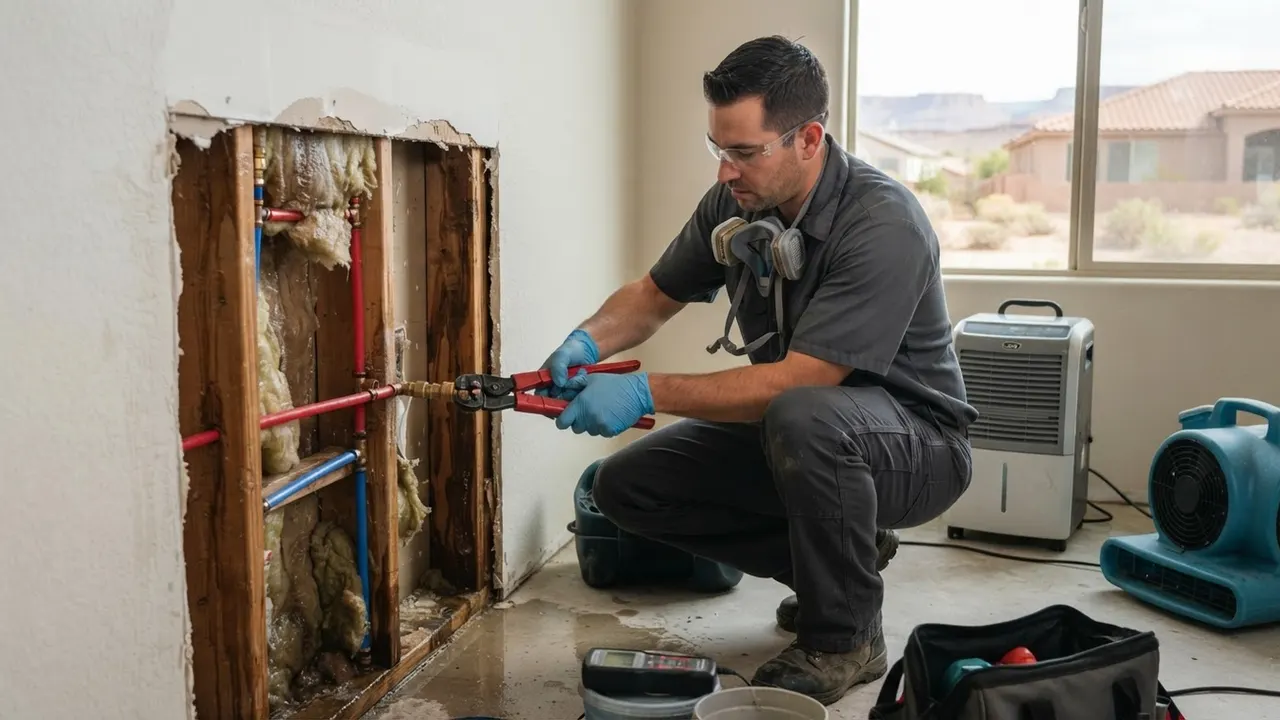
Moisture Readings
Recorded checks for affected carpet and nearby materials.
Carpet water extraction and drying Mesquite NV helps homeowners, tenants, and local businesses deal with soaked carpet before moisture reaches padding, baseboards, or subfloor. We extract standing water, check moisture below the surface, and set drying equipment for the affected area. For carpet drying Mesquite NV after a pipe leak, appliance spill, or storm intrusion, call our team at (833) 546-4116 and tell us where the water started.
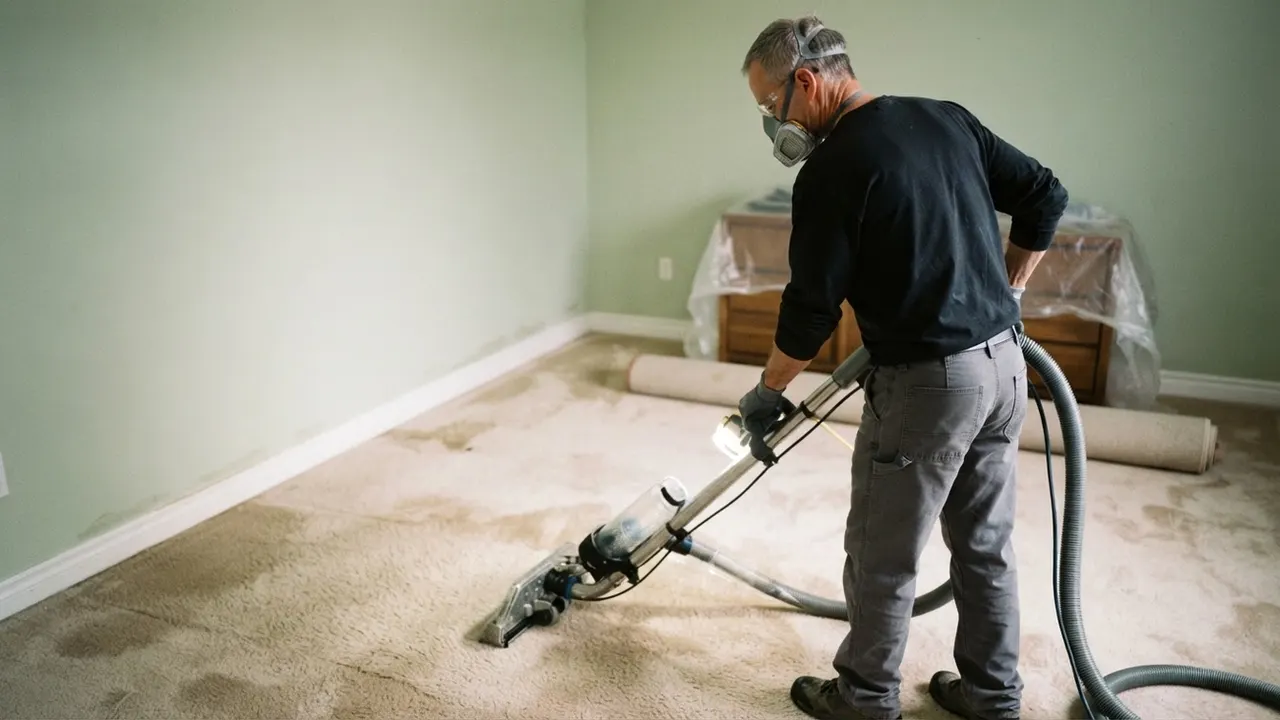
Carpet water extraction and drying covers inspection, bulk-water removal, drying setup, and moisture checks for affected flooring. We explain whether carpet can remain, whether padding must be lifted or removed, and what adjoining materials need attention. Repairs to the leak, replacement carpet, and extensive wall reconstruction are separate work when required, and we identify those needs during the assessment.
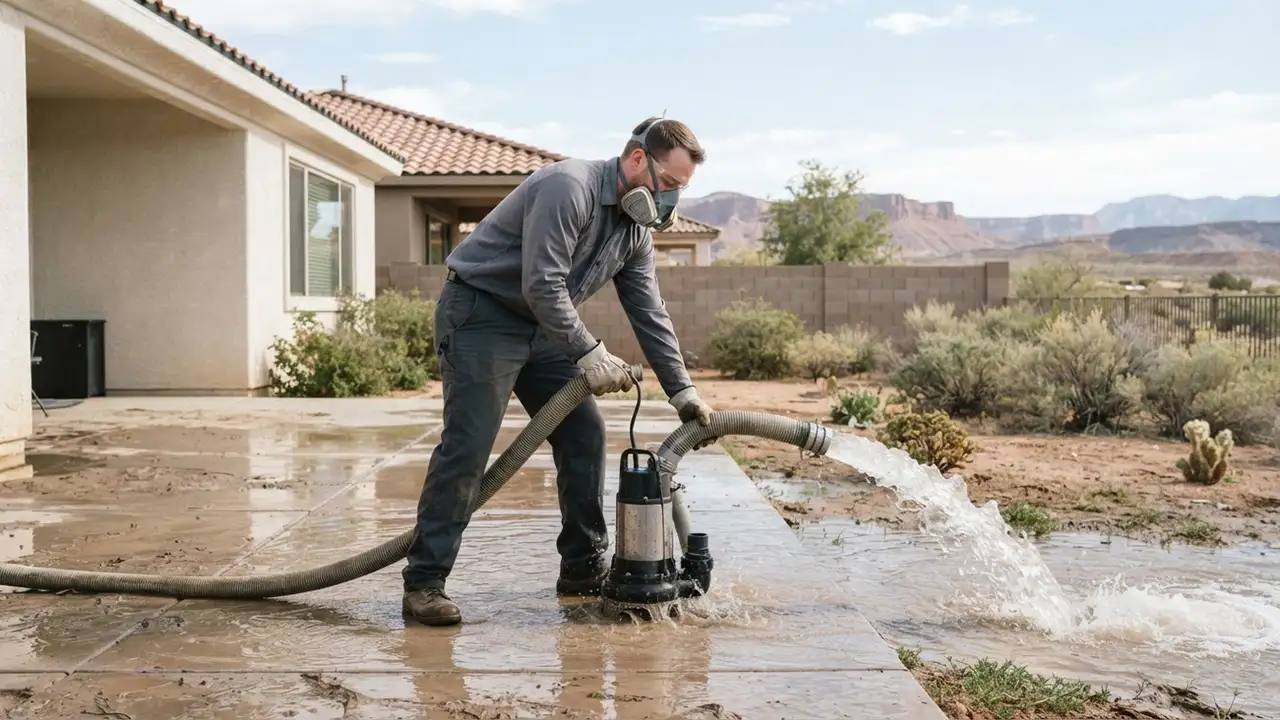
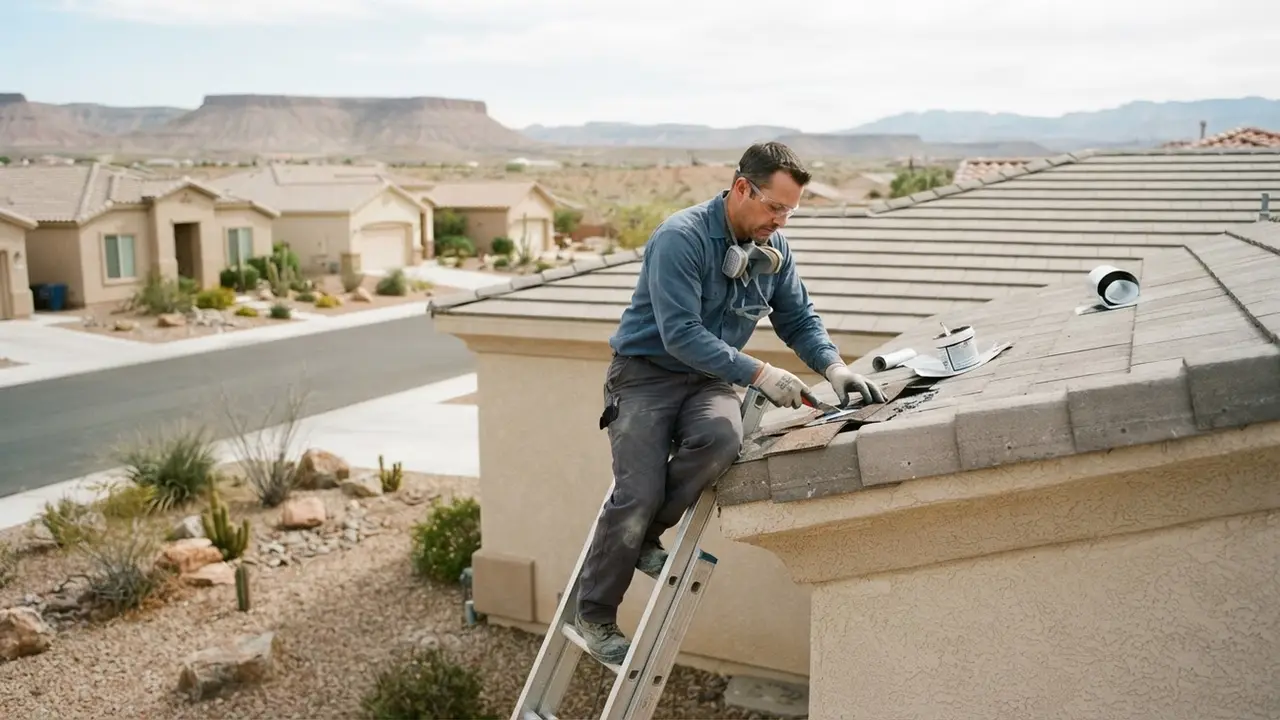
A wet carpet can disrupt bedrooms, hallways, and living spaces before you know how far water traveled. We inspect the floor layers, explain the equipment setup, and keep you informed as readings change.
Wet carpet can interrupt customer areas, offices, and rental units while water reaches adjoining rooms. We map the affected space, plan equipment placement, and coordinate access around your operation.
Carpet water extraction and drying Mesquite NV is a water-damage service that removes water from carpet and padding, then dries the affected layers after a leak or flooding. We first identify the water source and check whether the water is clean, contaminated, or sewage-affected. A water extraction unit pulls out bulk water; moisture readings guide whether carpet can remain in place or needs to be lifted. We then position air movers and a dehumidifier, monitor readings, and document progress so you know what is drying and what needs further attention.
In Mesquite, a burst pipe, slab leak, appliance leak, or roof leak can soak carpet quickly, while a musty odor can signal moisture that stayed hidden beneath the surface. Dry air does not prove the carpet padding or subfloor is dry. We use a moisture meter and, where needed, thermal imaging to locate damp areas beyond the visible stain. If you searched for carpet water damage cleanup Mesquite NV, we can assess the affected rooms, explain the drying plan, and coordinate related floor or wall work.
We extract first, measure throughout, and finish only when affected materials meet the drying target.
Carpet water extraction and drying in Mesquite follows a practical sequence: identify the source, remove water, set drying equipment, and verify progress. We explain what we find at each stage, protect the work area, and keep you informed about what can stay and what needs removal.
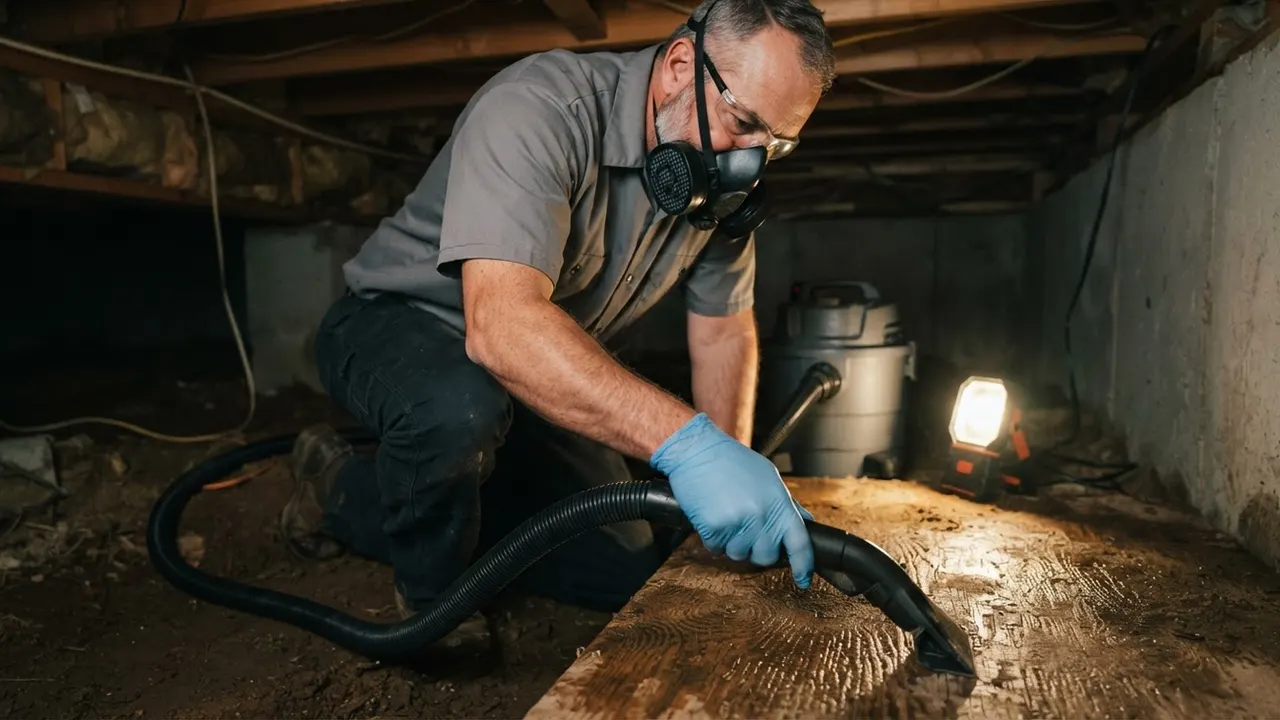
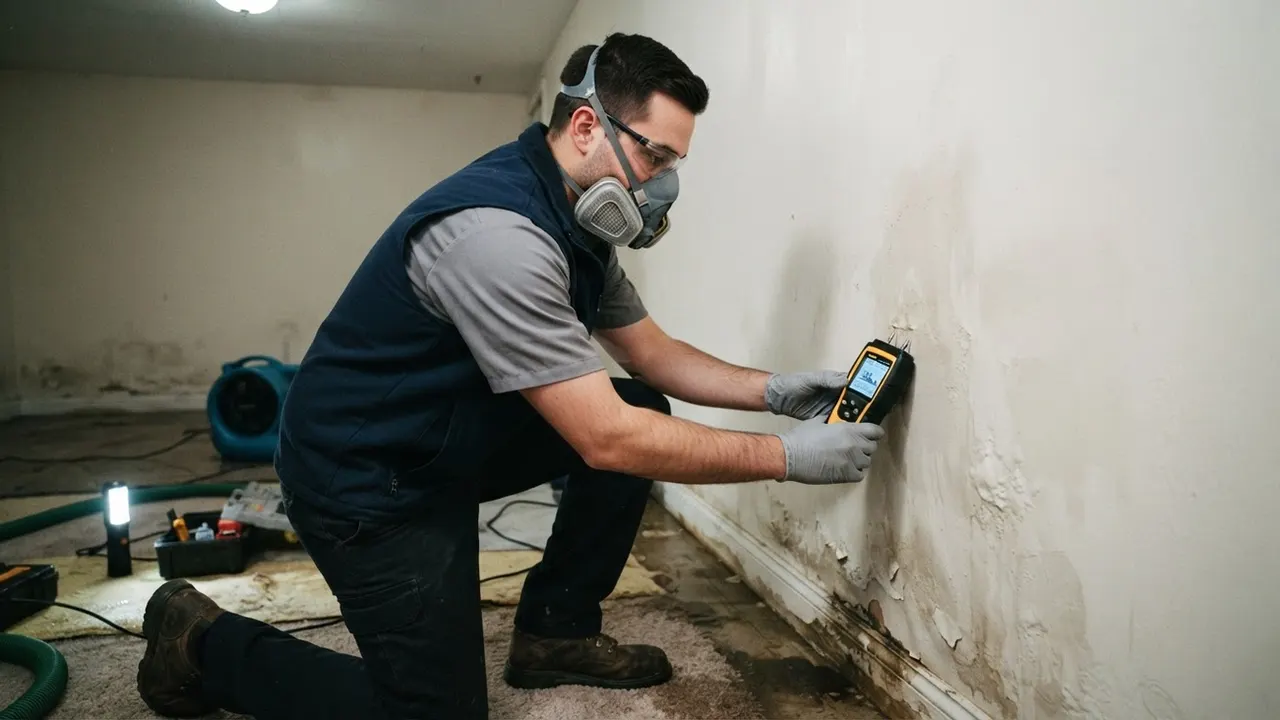
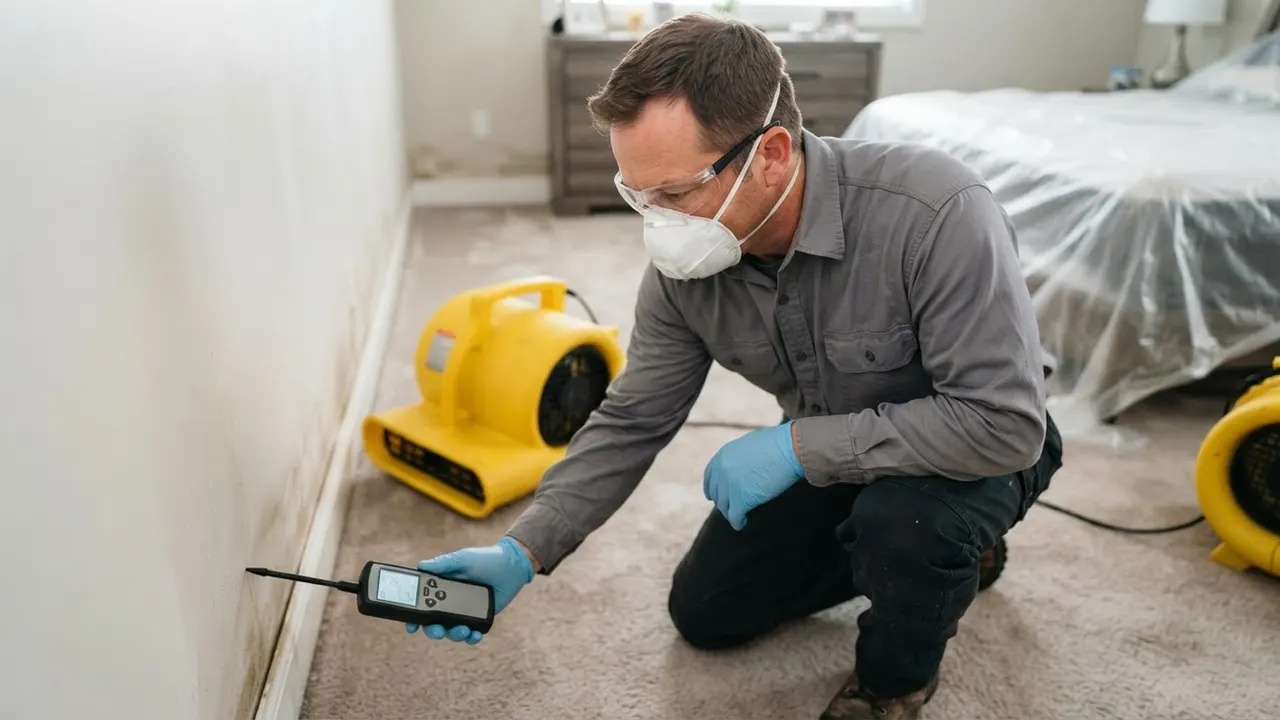
We start by asking where the water came from and when you first noticed it. Our technician checks the carpet, room edges, baseboards, and nearby flooring, then uses a moisture meter to map readings. The first inspection often takes 30 to 60 minutes, depending on room count and access. You get a direct explanation of the affected area and the next step.
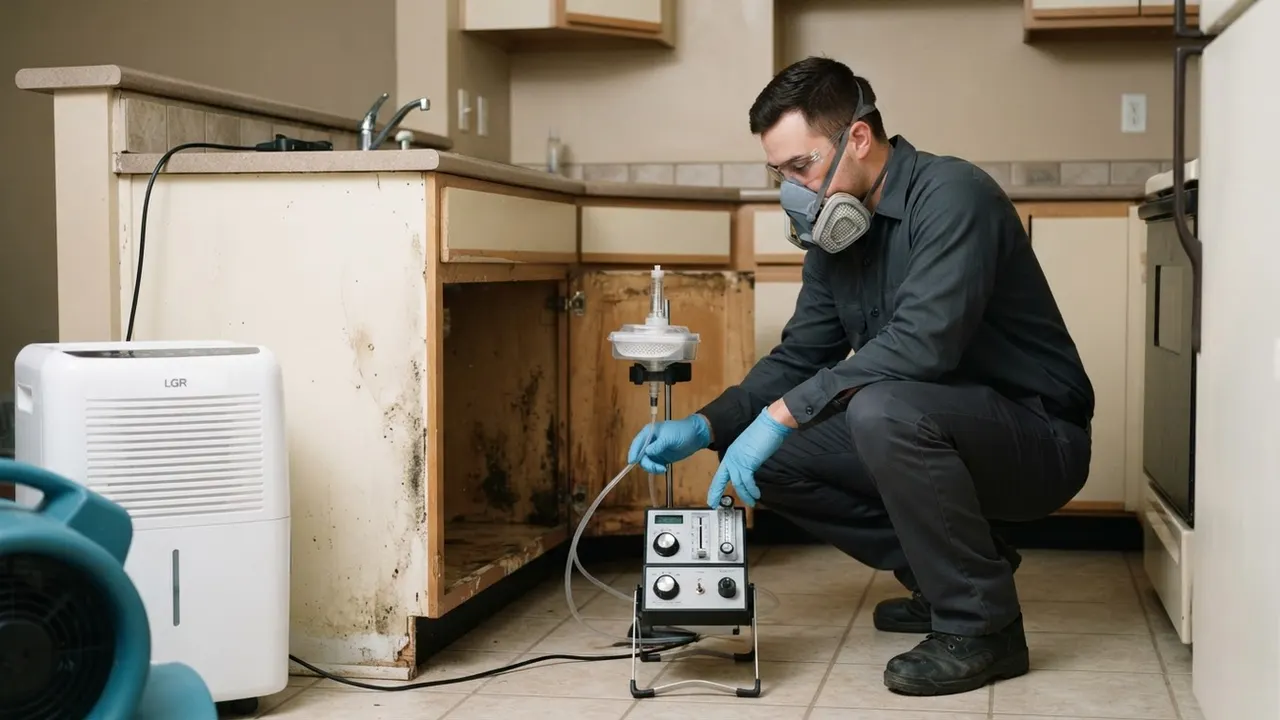
Before extraction, we identify whether the water source is a clean supply leak, storm intrusion, or contaminated backup. If the source is still active, we help isolate the affected area and coordinate the appropriate repair. That distinction matters: contaminated water calls for different handling than a small appliance leak, and carpet or padding may not be suitable for salvage.
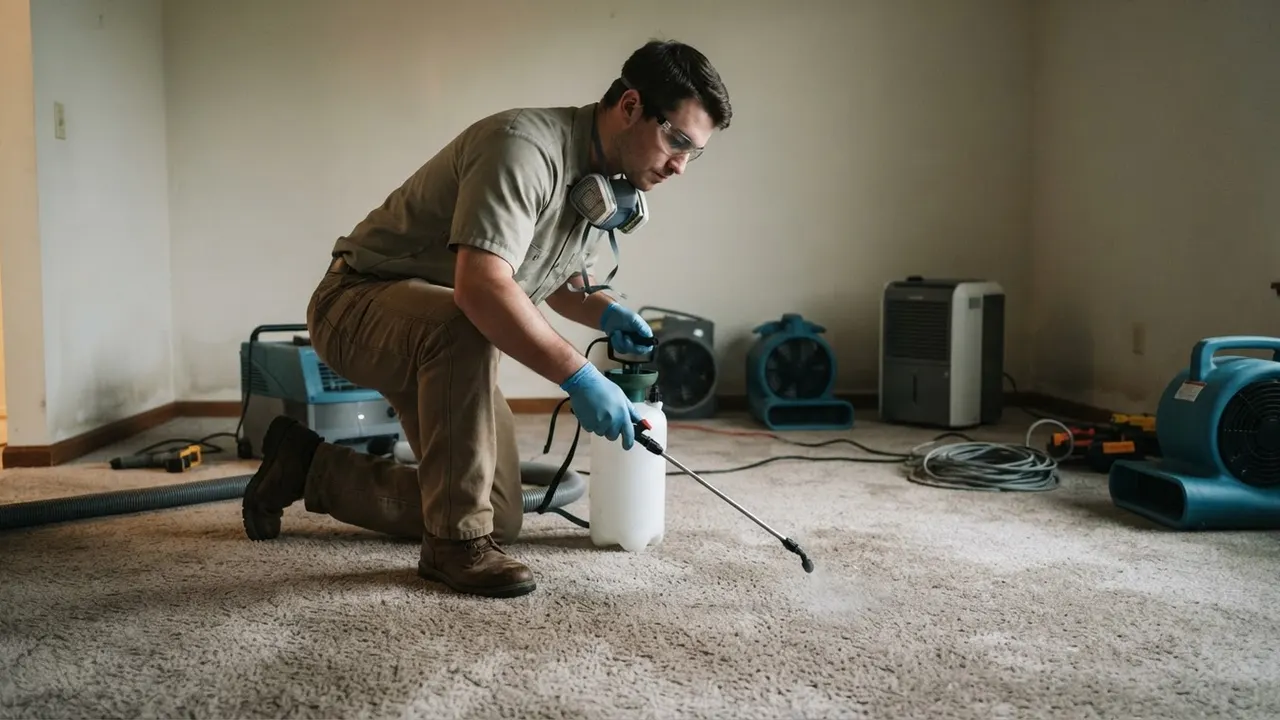
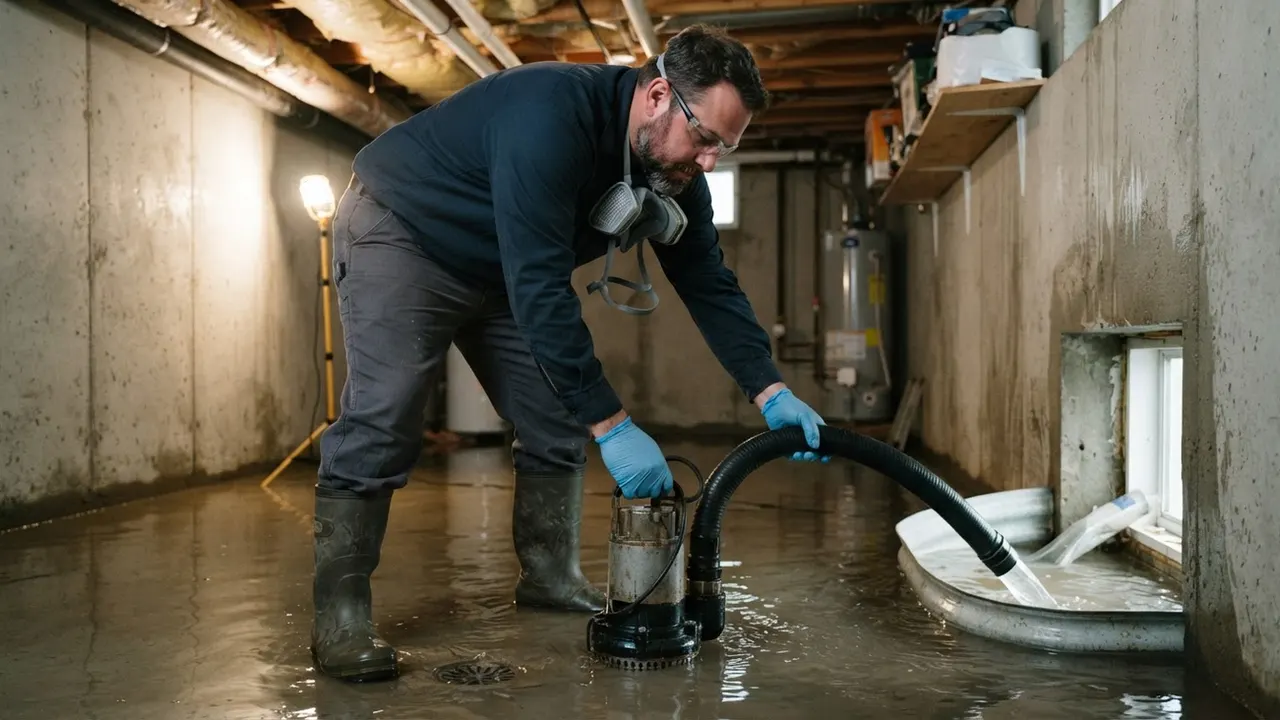
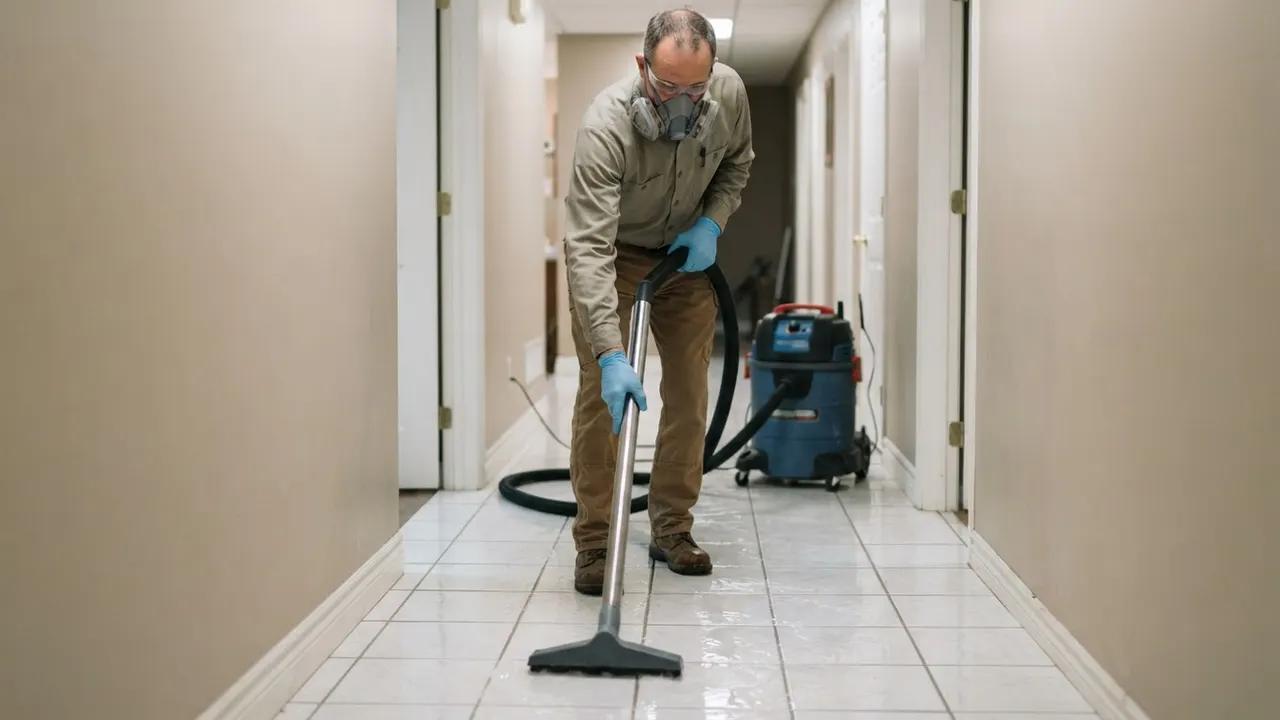
We use a water extraction unit to remove standing water and water held in carpet fibers. If readings show the padding is saturated, we discuss lifting the carpet so the underside and subfloor can be addressed. Extraction commonly takes one to several hours, depending on the room size, water volume, furniture, and how far water has spread.
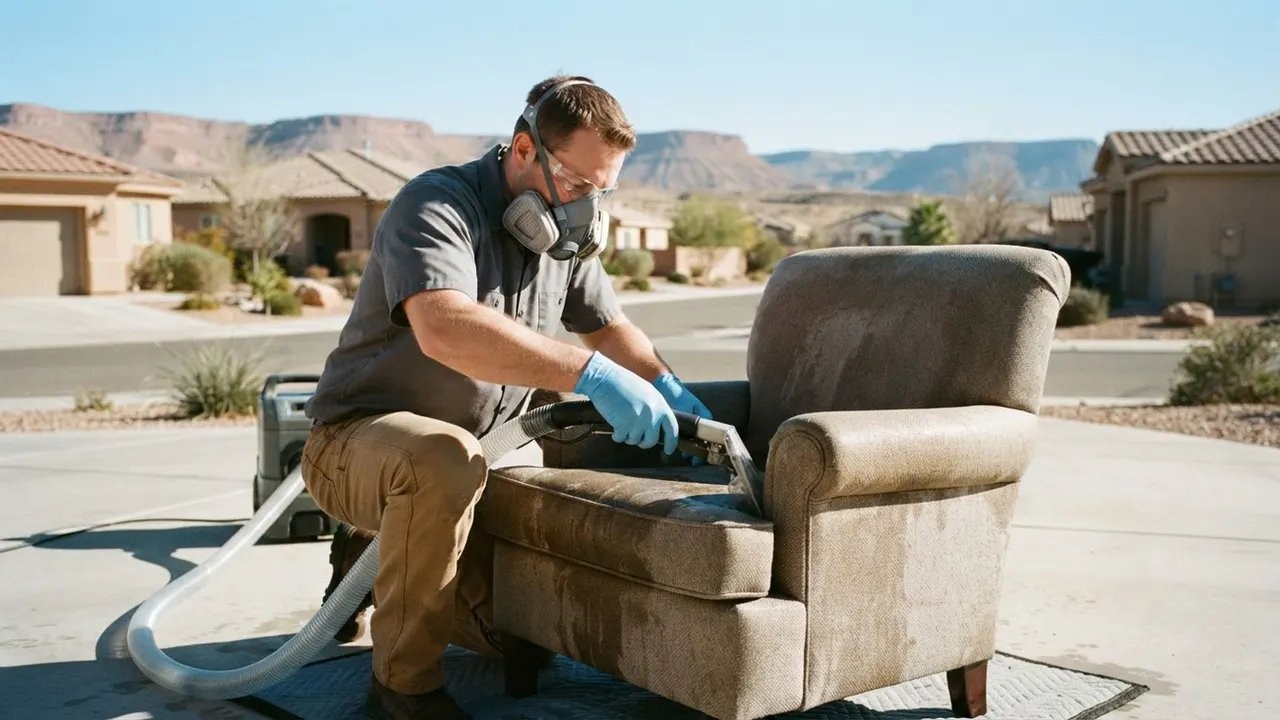
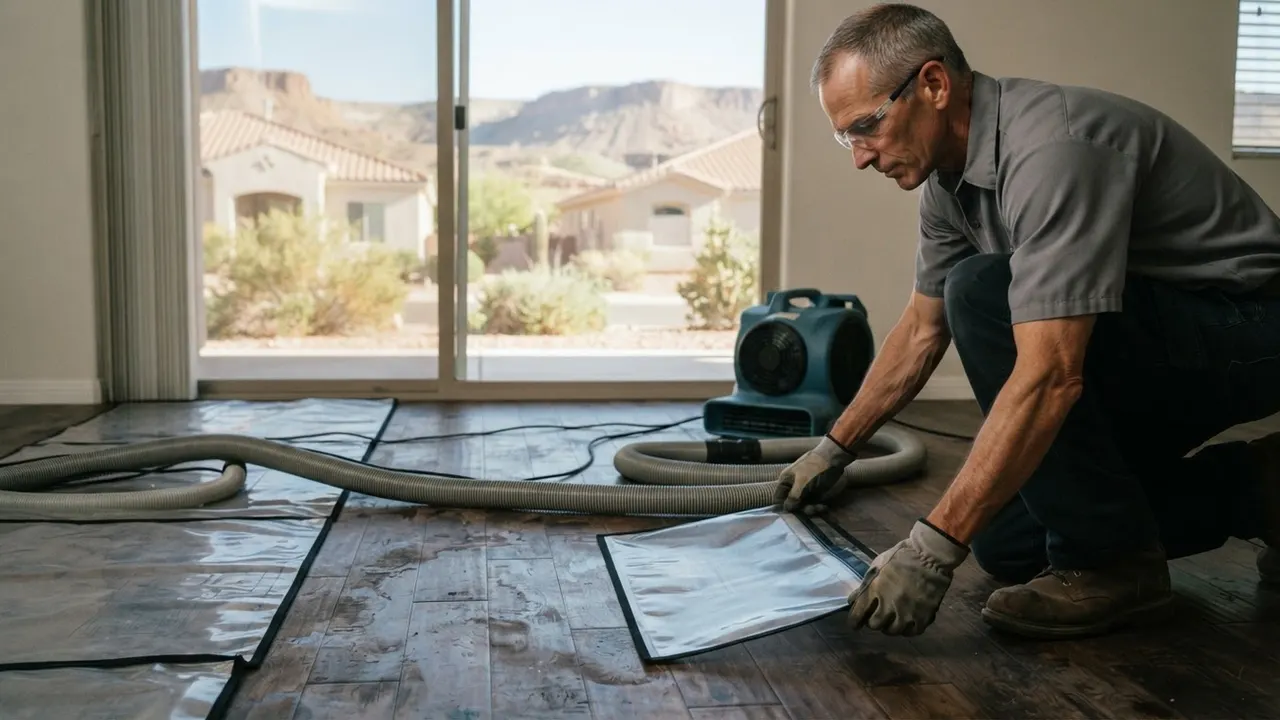
Once bulk water is removed, we position air movers to circulate air across the wet carpet and a dehumidifier to remove moisture from the room. We keep pathways usable where the layout allows and explain what equipment should remain in place. Drying often takes 24 to 72 hours, but readings-not a fixed clock-determine when the materials are ready.
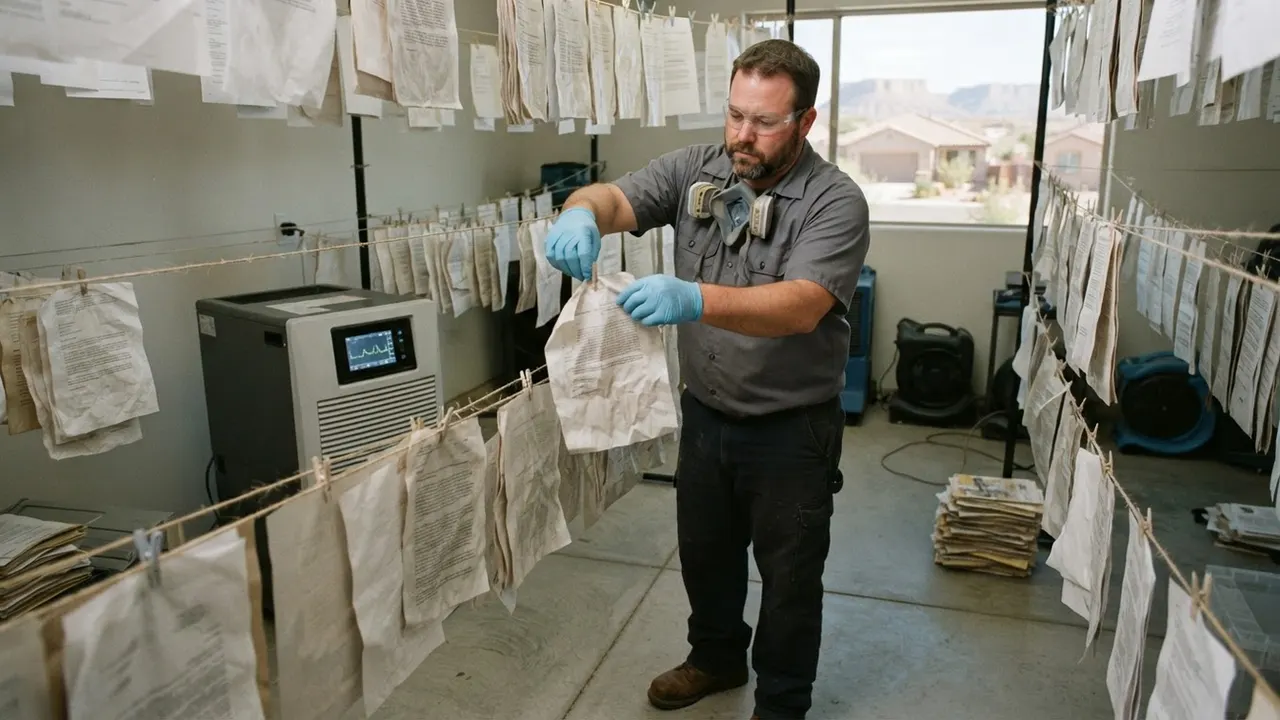
We return to take follow-up readings and adjust equipment when the numbers show uneven drying. If carpet, padding, drywall, or baseboards still hold moisture, we explain the next action rather than calling the job dry by appearance. Before we finish, we review the affected areas with you and identify any repair or cleaning work that remains.
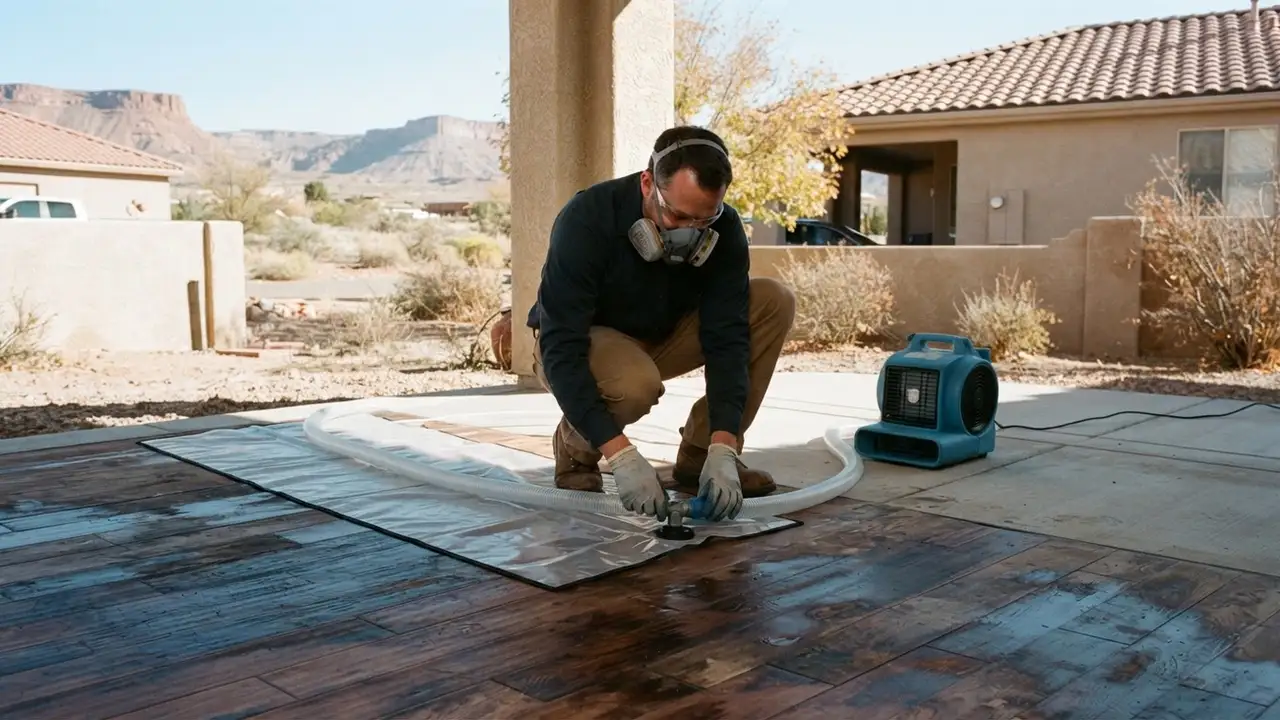
Measures moisture in carpet and accessible building materials. We compare wet readings with unaffected areas to map the water path and track whether drying is progressing.
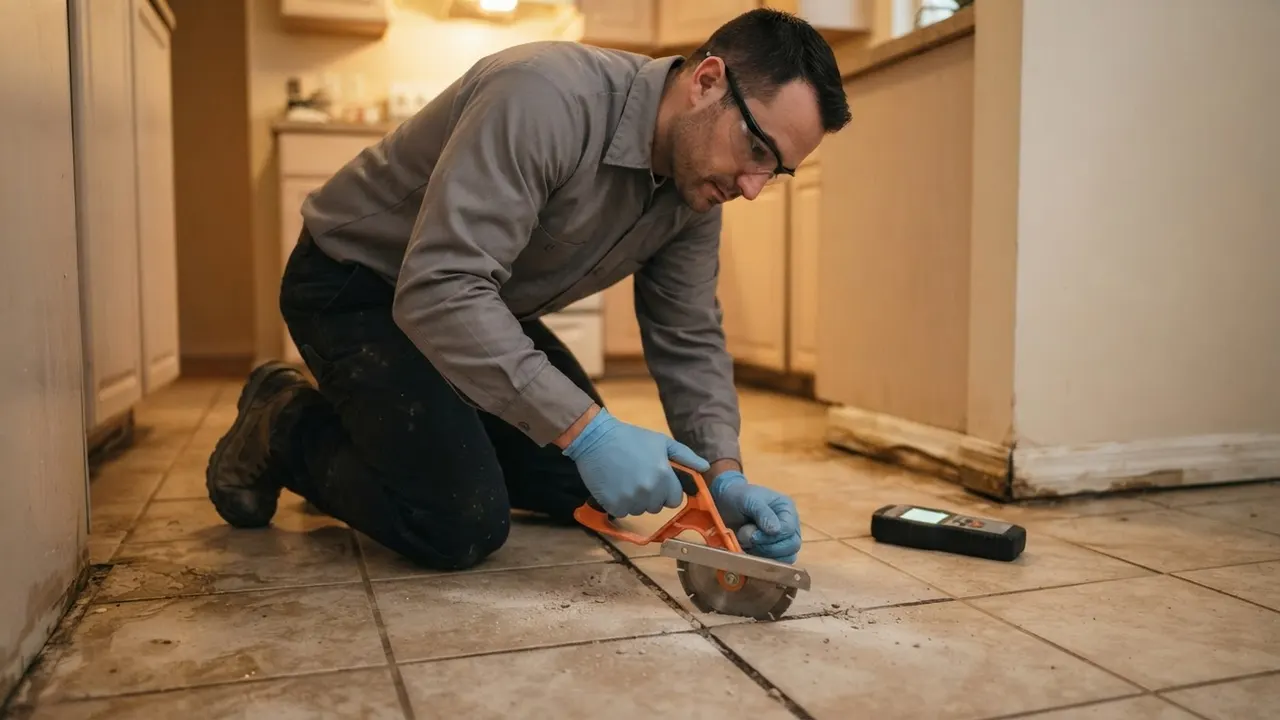
Pulls standing water and moisture from carpet fibers before air movers and dehumidification begin. Removing bulk water first makes the remaining drying process more manageable.
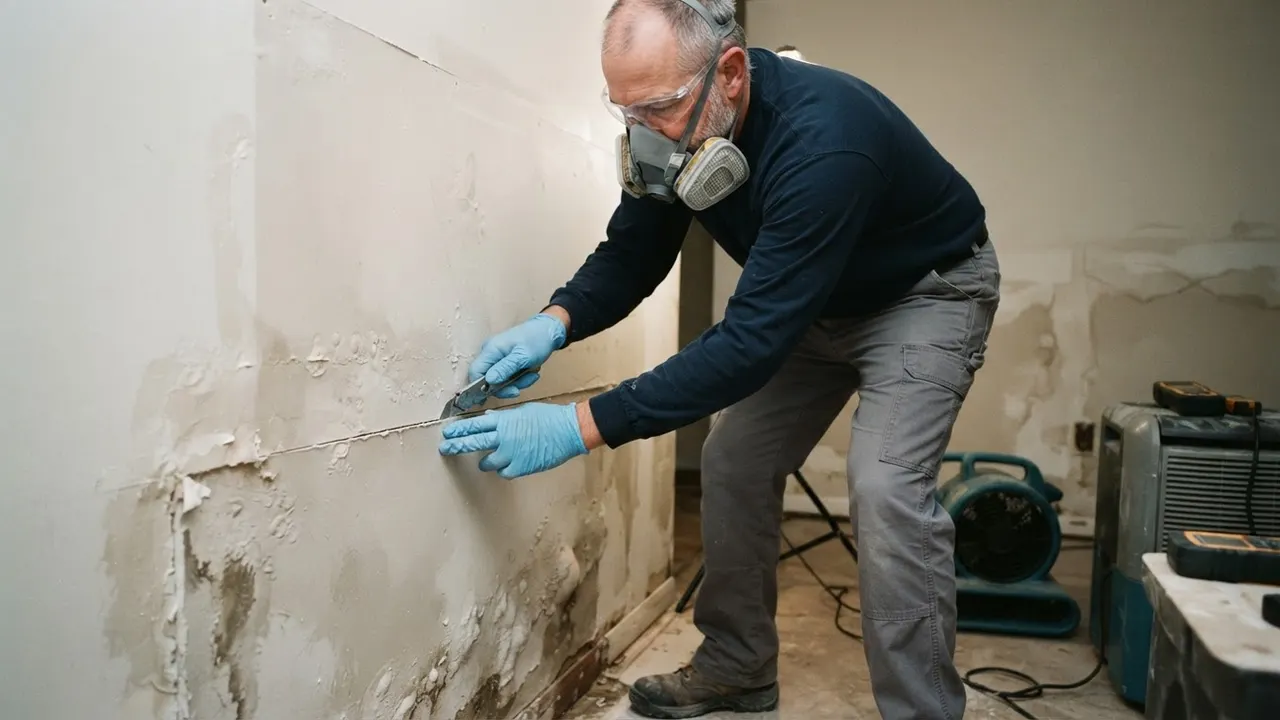
Moves air across wet carpet and exposed materials to support evaporation. We position units according to the room layout and adjust them when readings show uneven progress.
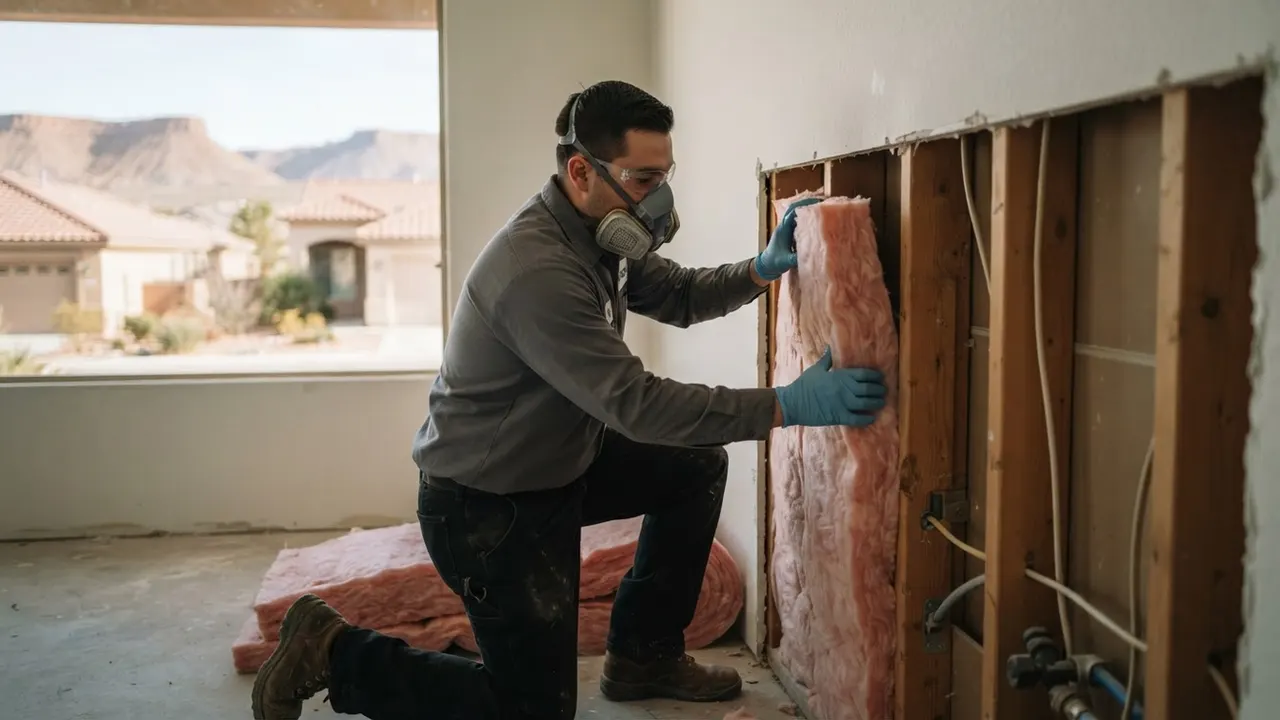
Removes moisture from the room air as water evaporates from the carpet and surrounding materials. We use it with airflow and monitor room conditions during drying.
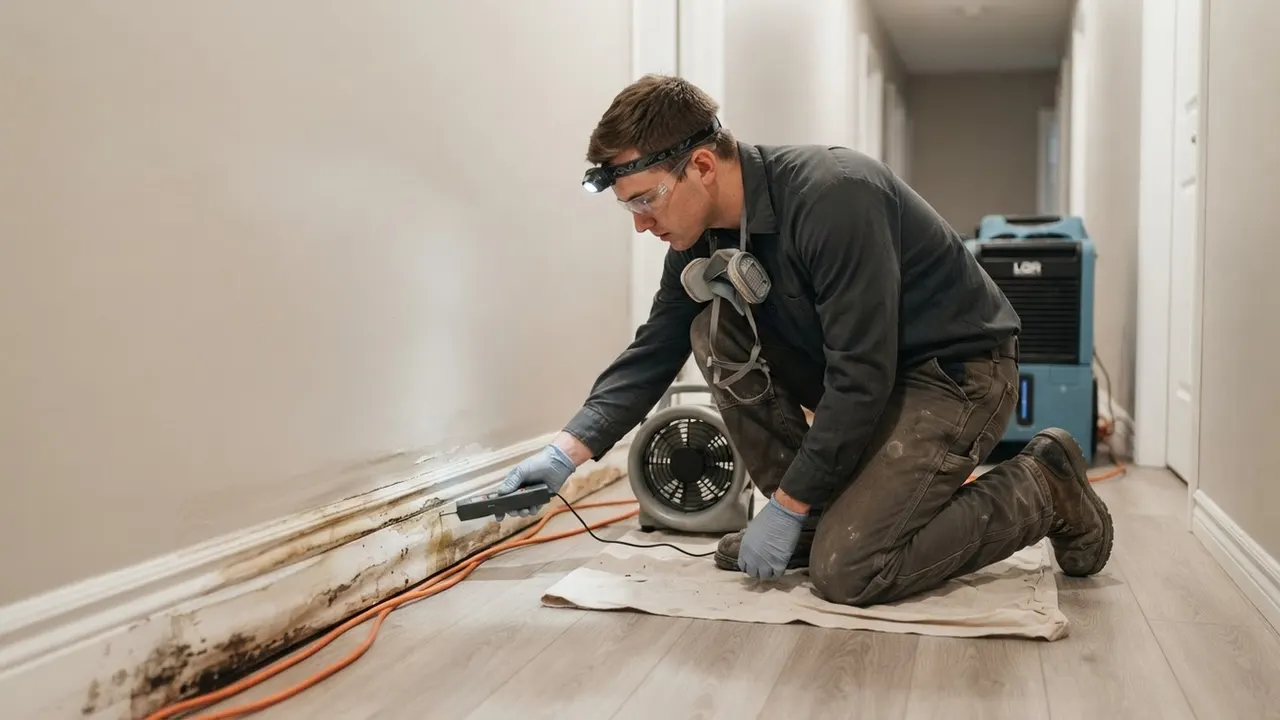
Helps locate temperature patterns that can guide inspection of concealed moisture. We confirm suspected wet areas with direct moisture checks rather than treating an image as a final diagnosis.
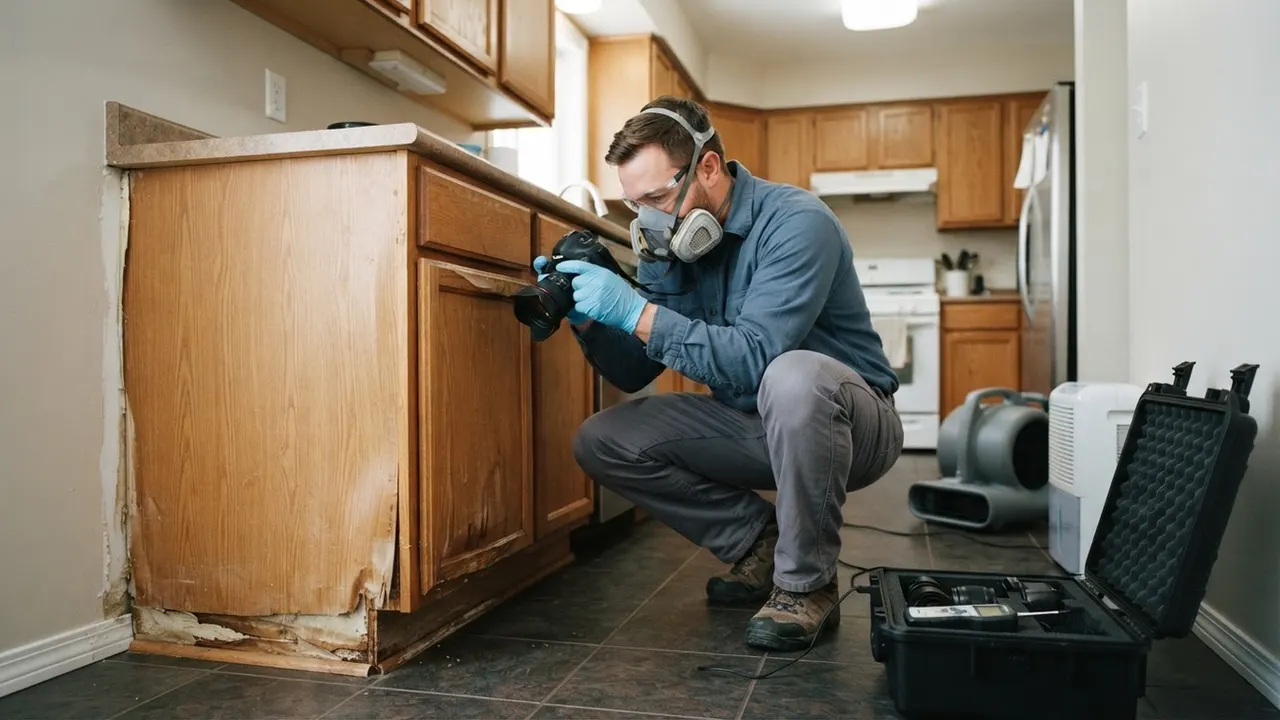
Dri-Eaz drying equipment can support controlled airflow and dehumidification during restoration. Equipment selection depends on the room, water load, and measured conditions.
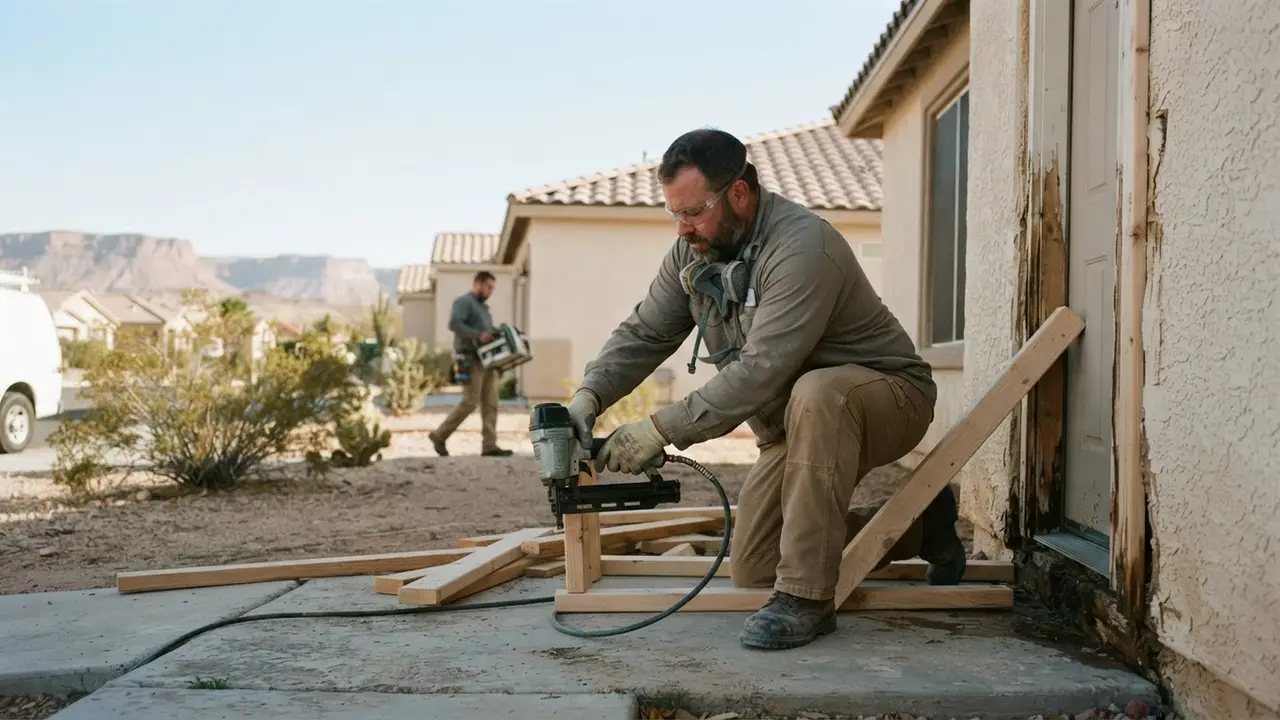
We identify the likely source and determine whether the water is clean, contaminated, or sewage-affected before choosing a carpet response. That classification guides handling, salvage decisions, and any need for removal. We also check whether water is still entering the room so extraction is not undermined by an active leak.
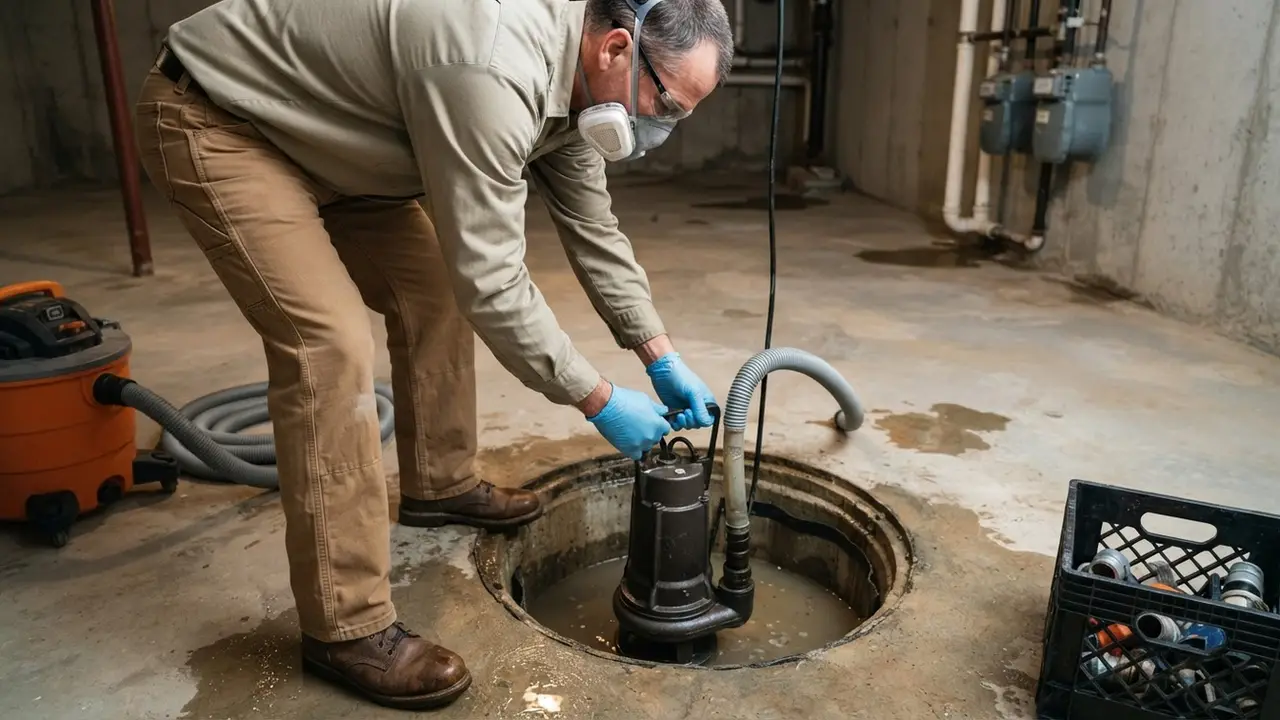
We remove bulk water first, then use air movement and dehumidification to dry the remaining moisture. Readings in the carpet, padding, and nearby materials guide equipment placement and rechecks. We do not rely on a fixed number of hours when measured conditions show the floor needs more attention.
We inspect how far water traveled, check carpet edges and baseboards, and extract standing water. If the padding is saturated, we explain whether lifting is needed to dry the lower layer. We also identify whether the water source is controlled before placing equipment. You get a clear drying plan for the hallway and adjoining rooms, with measured follow-up rather than a guess based on surface feel.
We remove bulk water, check the carpet transition, and inspect nearby drywall and flooring. Our team positions air movers and a dehumidifier where they can address the wet area without unnecessarily blocking access. We recheck the carpet and padding as drying progresses. The affected rooms are handled as one water path, reducing the chance that moisture remains hidden at the threshold or along a wall.
We inspect the water entry point, carpet, baseboards, and nearby wall materials. If the leak remains active, we help coordinate source control before completing extraction. We record moisture readings and adjust equipment to address both the floor and any affected wall edge. You can see which materials are wet, what needs drying, and whether the water source requires additional repair.
We identify the wet footprint, move or protect contents as needed, and use extraction equipment to remove bulk water. Our team checks traffic routes and transitions, sets drying equipment, and communicates recheck needs so the property manager can plan access. The response is organized around the affected suite, its contents, and measured drying progress, helping you make informed decisions about room use.
Carpet drying Mesquite NV depends on the water source, room conditions, and what lies beneath the carpet. Mesquite's hot, dry outdoor air does not guarantee a dry floor assembly; padding and subfloor can retain moisture even when the room feels warm. We check indoor humidity, carpet edges, and adjacent materials, then use airflow and dehumidification based on readings. In homes and commercial properties across Clark County, common calls involve appliance leaks, burst pipes, roof leaks, and storm water entering at doors or ceilings. If you need same day carpet water extraction Mesquite NV, tell us whether the source is still active and which rooms are affected. We assess the water path, extract what we can, and explain whether the carpet can stay in place or needs to be lifted. ZIP codes 89027 and 89034 are within the local service area, as is 89024. We also consider access, furniture, and daily use so the drying setup fits the property rather than creating avoidable disruption.
A loose washer hose wet the laundry-room carpet and reached the carpeted hall. The surface felt soaked, and water had collected along the baseboard. The homeowner had shut off the washer but could not tell whether the padding or adjacent wall was affected.
We extracted standing water, checked the carpet and wall edge, and found moisture beyond the visible patch. Air movers and a dehumidifier ran through the drying period, with follow-up readings over 48 hours. The results showed which sections had dried and where further material work was needed.
Check washer hoses and connections regularly, especially after moving the appliance. Keep the shutoff accessible, and call promptly if a leak wets carpet so water can be extracted before it spreads beneath the padding.
After storm water entered near a roof opening, a bedroom carpet became wet along one exterior wall. A darkened patch appeared near the baseboard, but the room felt dry after the weather cleared. The owner was concerned that the wall and carpet padding still held moisture.
We mapped the damp area, extracted the carpet, and checked readings along the baseboard and adjoining floor. Drying equipment ran for 72 hours, with readings taken during follow-up visits. The inspection separated the carpet work from the roof and wall repairs needed to stop further entry.
Keep roof and exterior openings maintained, and move belongings away from a wet wall while the source is addressed. If a stain returns or a musty odor develops, request a moisture check rather than covering the area.
A supply-line leak in a rental unit soaked carpet in the living room and continued beneath a sofa. The tenant noticed dampness and odor the next morning. Furniture restricted access, and the property manager needed to know whether the carpet could be saved.
We moved access items as needed, extracted the affected carpet, and checked the padding and subfloor. Readings over 36 hours showed the center dried faster than the perimeter, so equipment placement was adjusted. The final review clarified what could remain and what required separate repair.
Keep plumbing shutoffs accessible and avoid placing heavy furniture back on wet carpet during drying. Report leaks as soon as they appear, and let follow-up readings guide when the room is ready for normal use.
Carpet water damage cleanup Mesquite NV addresses more than a wet surface. We look for moisture in the padding, at wall edges, and beneath transitions, then match the response to the water source. That approach helps you avoid lingering dampness, damage to connected materials, and uncertain salvage decisions.
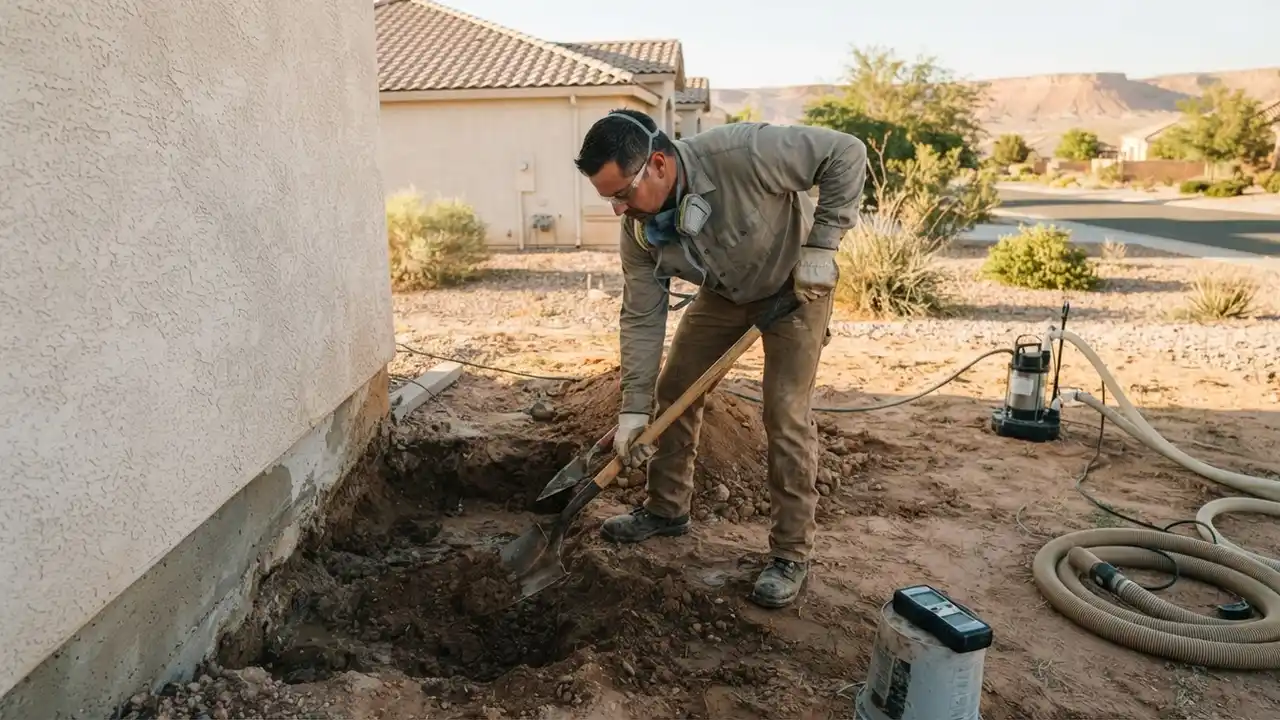
We extract water from the carpet, take readings through the affected area, and determine whether the padding can be dried in place. If it is saturated or contaminated, we explain removal and the next steps for the subfloor. We then set drying equipment and recheck the materials before closing the work. Padding holds water below the surface, so carpet can feel dry while the floor assembly remains damp and odors develop.
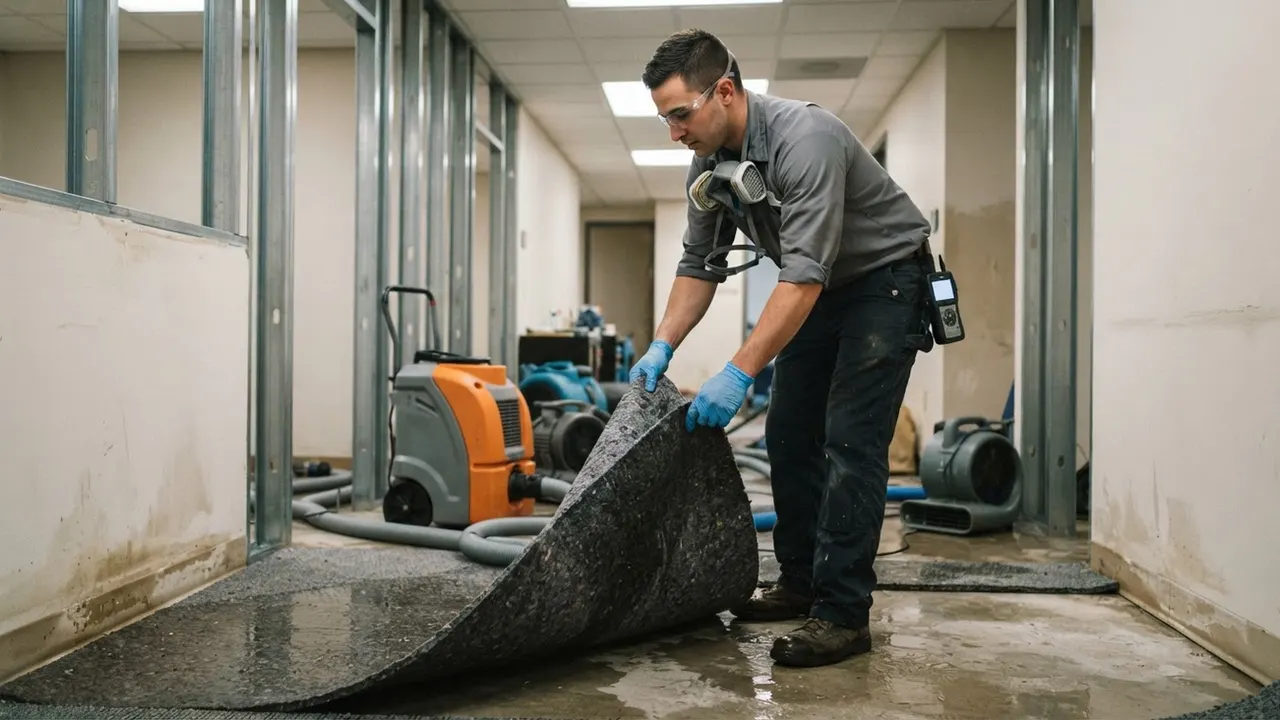
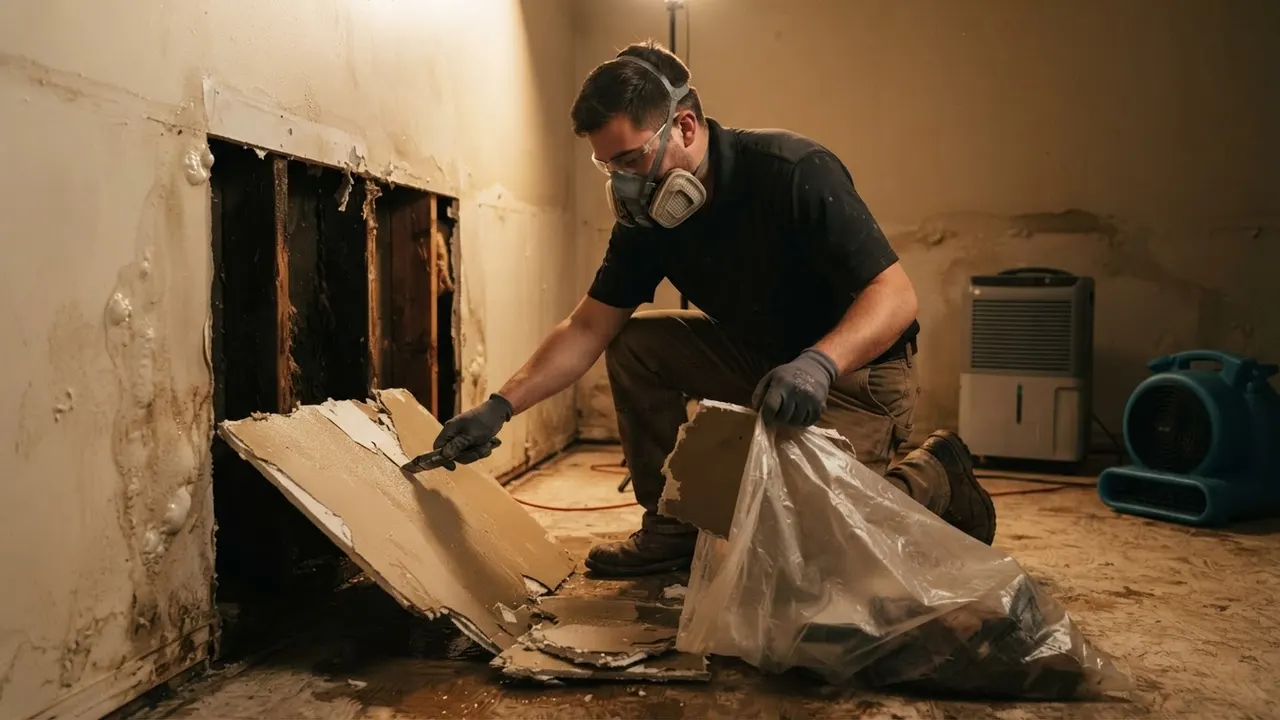
We map moisture beyond the visible patch and inspect transitions into adjacent rooms. Our team checks carpet, baseboards, and accessible flooring, then extracts each affected section. Where the readings show moisture in a wall or subfloor, we coordinate structural drying rather than treating only the carpet. Water can travel along the floor beneath carpet edges, reach baseboards, and affect nearby drywall or hardwood before the stain grows.
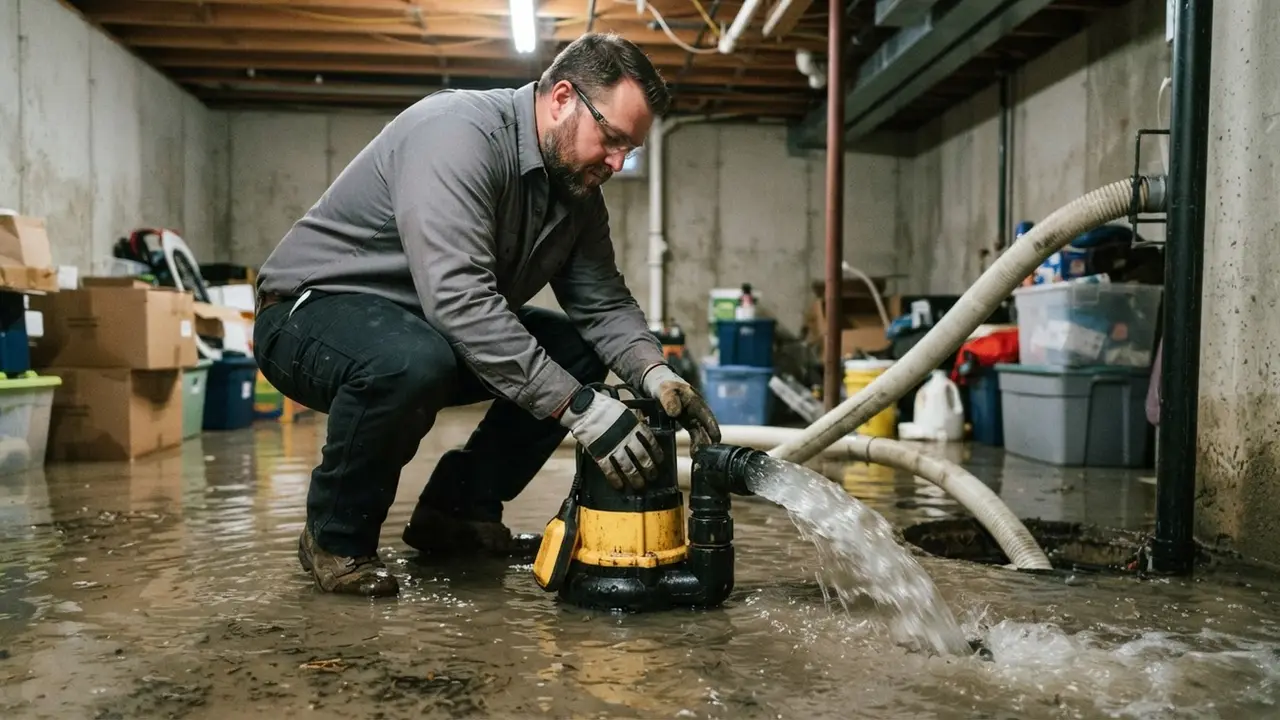
We look for damp padding, concealed water, and the original leak before recommending deodorization. If the water came from sewage or another contaminated source, we address material safety first. Once the source and affected materials are handled, we discuss appropriate odor removal and confirm the area is drying. An odor can point to retained moisture, contaminated materials, or a source that was never corrected; fragrance alone will not fix it.
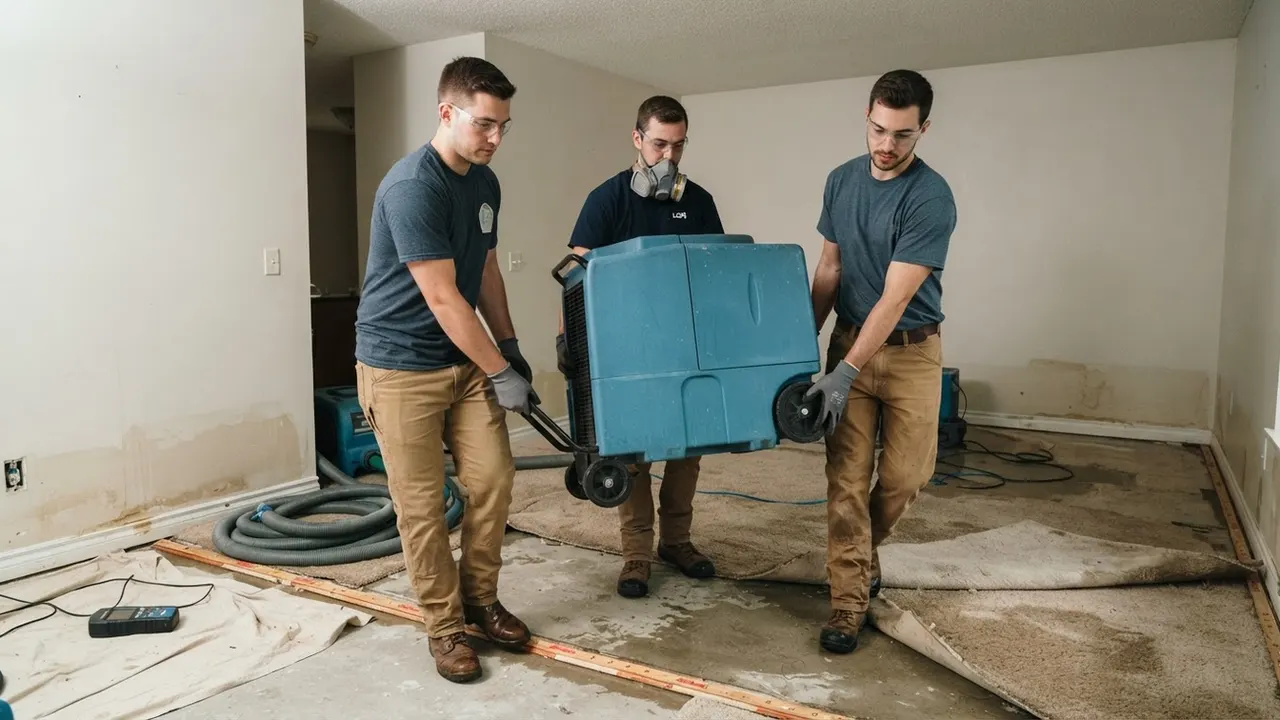
We identify whether the source is still active and coordinate the appropriate repair or isolation step before completing extraction. After the leak is controlled, we remove bulk water, inspect connected surfaces, and set a drying plan. We also help document the affected materials for your records. Extraction cannot hold if water continues entering the room, and repeated wetting increases damage to carpet, padding, and nearby building materials.
A water extraction unit removes pooled water and moisture held in carpet fibers before drying equipment runs. That first pass reduces the load on air movers and dehumidifiers. For carpet water removal Mesquite NV after a supply-line leak, we also check the perimeter and transitions, where water often travels beneath the visible wet patch.
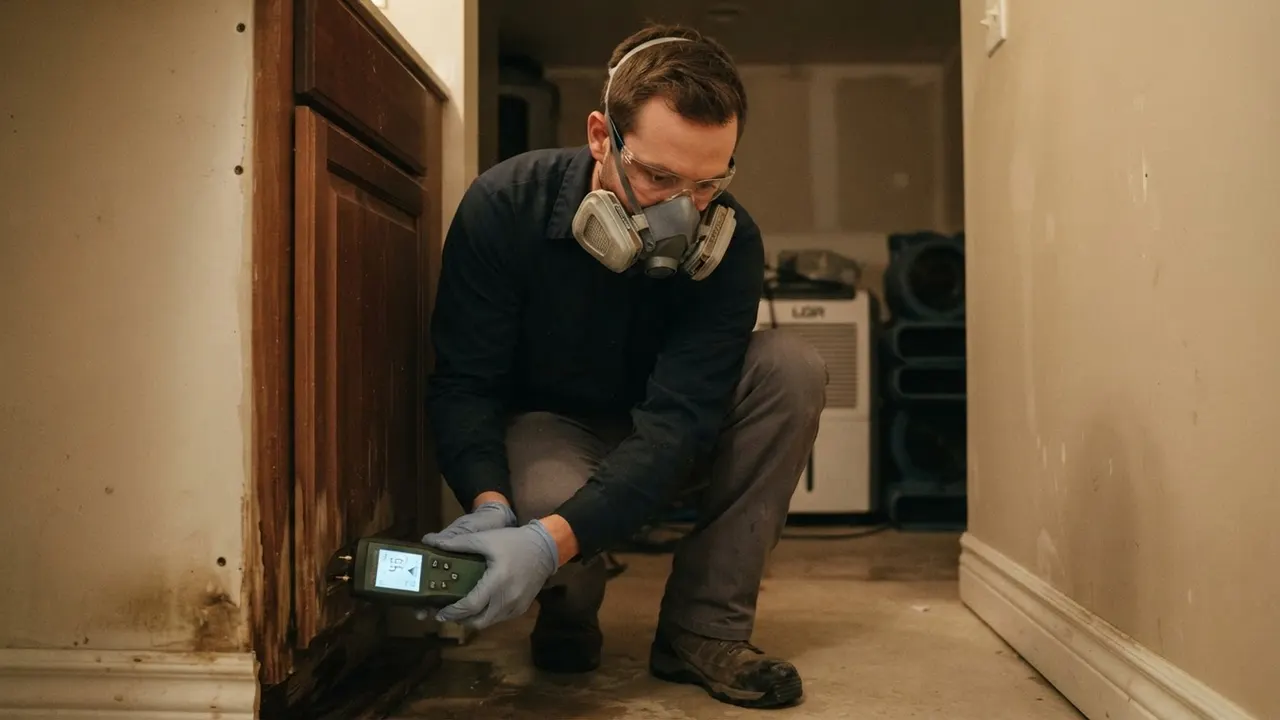
We record moisture readings in carpet, padding, and nearby materials rather than relying on touch alone. A hygrometer helps us understand room conditions, while follow-up checks show whether the equipment is doing its job. You can see the difference between a surface that feels dry and a floor assembly that has actually reached its drying target.
Water source and exposure time matter. Clean water from a short-lived supply leak is a different situation from sewage backup or prolonged flooding. We inspect the affected carpet and padding, explain whether lifting or removal is appropriate, and help prevent an unsafe attempt to save materials that should not remain in place.
Water can move under baseboards, into drywall, or across plywood and hardwood flooring. We check the room edges and adjacent materials so drying is not limited to the stain you can see. That broader assessment helps you address the source and connected damage instead of discovering a second wet area after the room is put back together.
Clear records you can keep and share.
Recorded checks for affected carpet and nearby materials.
Equipment placement and follow-up steps for the affected rooms.
A review of extraction, findings, and remaining repair needs.
Carpet fibers can feel dry while padding or subfloor still holds water. We measure the materials and room conditions so the decision to finish reflects the full floor assembly.
Padding can retain moisture after water is removed from carpet fibers. We check it directly when access allows and explain when lifting is necessary.
A clean pipe leak differs from sewage or floodwater. The source guides handling, salvage decisions, and whether porous materials should remain.
Airflow and humidity affect how quickly materials dry. We recheck readings and adjust equipment when the floor responds unevenly.
Outside these neighborhoods? Call and ask about service in your area. (833) 546-4116
A limited carpet extraction job may vary while multi-room or padding removal work can vary. Typical 2026 pricing in Mesquite depends on water volume, room size, contamination, equipment time, and whether materials need removal. We inspect the affected area and explain the cost before work proceeds. A brief clean-water spill usually costs less than a leak that reached drywall or subfloor.
Yes, wet carpet can often be dried in Mesquite when the water is clean, the carpet is salvageable, and moisture is addressed promptly. We extract bulk water, check the padding and subfloor, then use air movers and a dehumidifier while tracking readings. Carpet exposed to sewage or other contaminated water usually needs a different response. The source, exposure time, and material condition determine whether drying or removal is the safer option.
Carpet drying in Mesquite NV commonly takes 24 to 72 hours after extraction, with heavier saturation sometimes taking longer. Room temperature, humidity, padding condition, and airflow all affect the timeline. We check moisture readings during the process and reposition equipment if a section is drying slowly. Do not shut off or move the equipment without checking with us; interrupted airflow can extend drying and leave damp areas underneath.
Insurance may cover sudden, accidental water damage, but coverage depends on your policy, the cause, and exclusions. Gradual leaks or neglected maintenance are often treated differently from a sudden pipe failure. We document affected materials and restoration steps to support your records, and our insurance claim assistance can help organize the information. Contact your insurer promptly and keep photos, receipts, and any claim instructions they provide.
Wet carpet needs a measured response, especially when water has reached the padding or baseboards. Call Mesquite Water Damage Company at (833) 546-4116; our team will hear what happened and help arrange the next step.
Call (833) 546-4116 to explain what happened and where water is collecting. We take calls for water damage requests and connect you with an independent company that can discuss service details directly. If the leak is active, shut off the source when safe and tell us whether the water reached electrical equipment, flooring, or more than one room.